avatar

sneezypb

Girl dad, husband, technologist

268 points

0% overlap
Level 3
My Taste
The Bomber Mafia: A Dream, a Temptation, and the Longest Night of the Second World War
A Brief History of Time
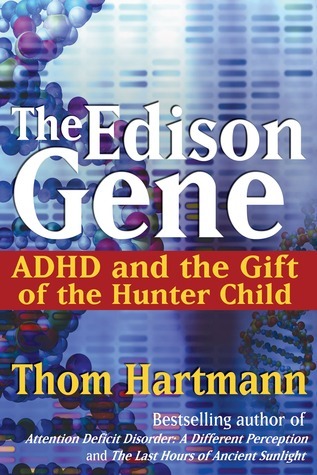
The Edison Gene: ADHD and the Gift of the Hunter Child
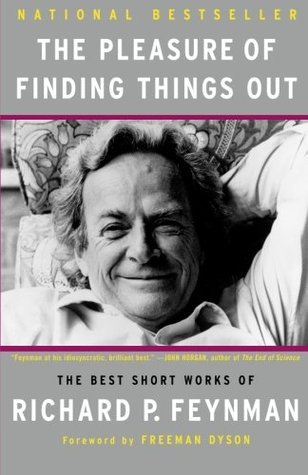
The Pleasure of Finding Things Out: The Best Short Works of Richard P. Feynman
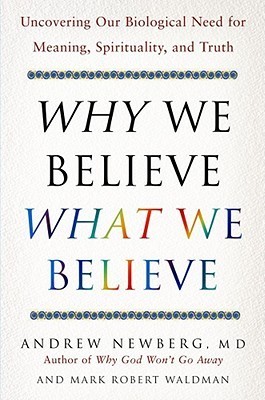
Why We Believe What We Believe: Uncovering Our Biological Need for Meaning, Spirituality, and Truth
Reading...
The True Believer: Thoughts on the Nature of Mass Movements
0%
Three Bags Full (Sheep Detective Story, #1)
7%
The Man Who Died Twice
0%
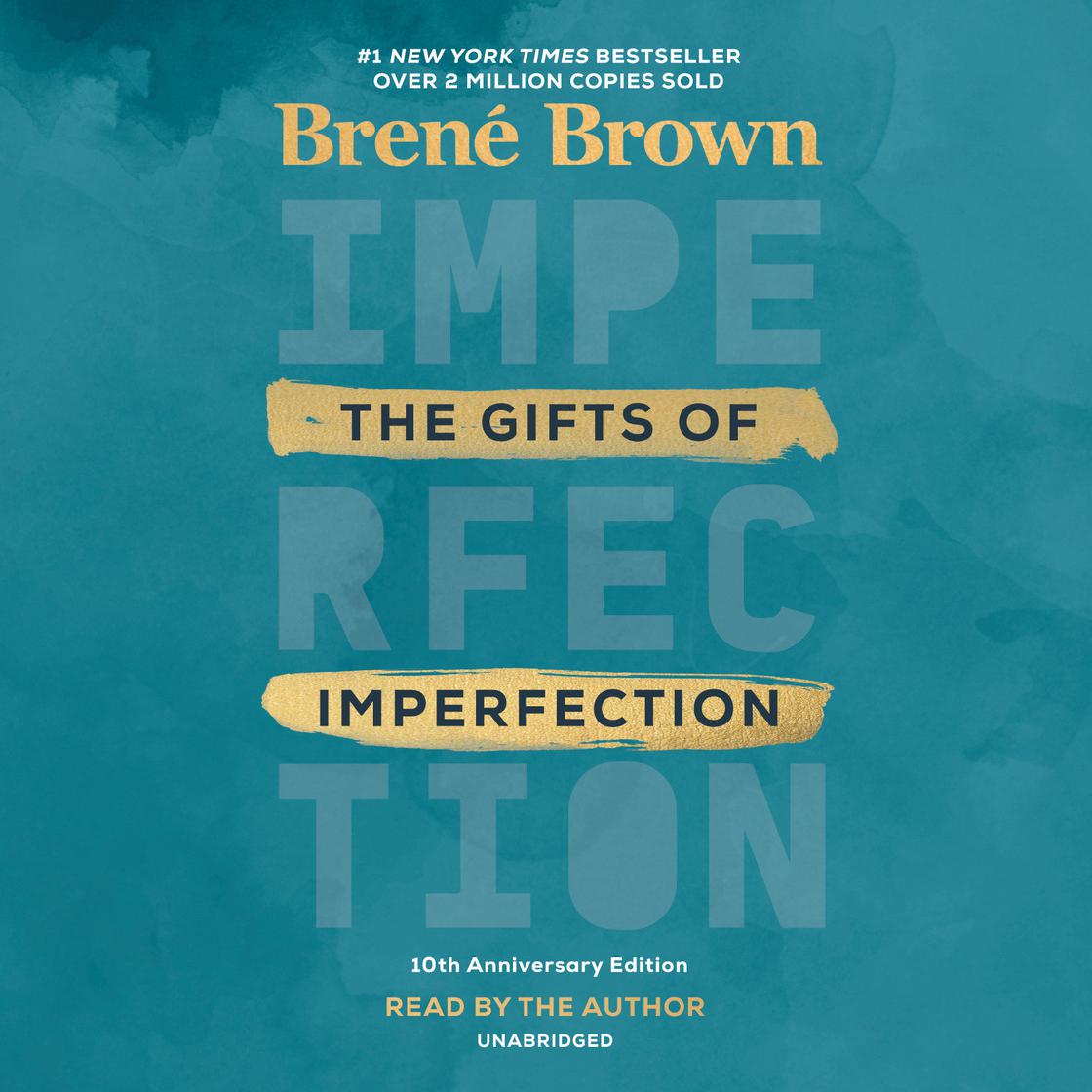
The Gifts of Imperfection: 10th Anniversary Edition
0%
The Autistic's Guide to Self-Discovery: Flourishing as a Neurodivergent Adult
0%
How To: Absurd Scientific Advice for Common Real-World Problems
0%
Fire & Blood
0%
Emergenetics (R): Tap Into the New Science of Success
0%
The Sands of Mars
0%
avatar

sneezypb finished a book

5w

Complex PTSD: From Surviving to Thriving - A Guide and Map for Recovering from Childhood Trauma

Complex PTSD: From Surviving to Thriving - A Guide and Map for Recovering from Childhood Trauma

Pete Walker

I have Complex PTSD [Cptsd] and wrote this book from the perspective of someone who has experienced a great reduction of symptoms over the years. I also wrote it from the viewpoint of someone who has discovered many silver linings in the long, windy, bumpy road of recovering from Cptsd. I felt encouraged to write this book because of thousands of e-mail responses to the articles on my website that repeatedly expressed gratitude for the helpfulness of my work. An often echoed comment sounded like this: At last someone gets it. I can see now that I am not bad, defective or crazy...or alone! The causes of Cptsd range from severe neglect to monstrous abuse. Many survivors grow up in houses that are not homes - in families that are as loveless as orphanages and sometimes as dangerous. If you felt unwanted, unliked, rejected, hated and/or despised for a lengthy portion of your childhood, trauma may be deeply engrained in your mind, soul and body. This book is a practical, user-friendly self-help guide to recovering from the lingering effects of childhood trauma, and to achieving a rich and fulfilling life. It is copiously illustrated with examples of my own and my clients' journeys of recovering. This book is also for those who do not have Cptsd but want to understand and help a loved one who does. This book also contains an overview of the tasks of recovering and a great many practical tools and techniques for recovering from childhood trauma. It extensively elaborates on all the recovery concepts explained on my website, and many more. However, unlike the articles on my website, it is oriented toward the layperson. As such, much of the psychological jargon and dense concentration of concepts in the website articles has been replaced with expanded and easier to follow explanations. Moreover, many principles that were only sketched out in the articles are explained in much greater detail. A great deal of new material is also explored. Key concepts of the book include managing emotional flashbacks, understanding the four different types of trauma survivors, differentiating the outer critic from the inner critic, healing the abandonment depression that come from emotional abandonment and self-abandonment, self-reparenting and reparenting by committee, and deconstructing the hierarchy of self-injuring responses that childhood trauma forces survivors to adopt. The book also functions as a map to help you understand the somewhat linear progression of recovery, to help you identify what you have already accomplished, and to help you figure out what is best to work on and prioritize now. This in turn also serves to help you identify the signs of your recovery and to develop reasonable expectations about the rate of your recovery. I hope this map will guide you to heal in a way that helps you to become an unflinching source of kindness and self-compassion for yourself, and that out of that journey you will find at least one other human being who will reciprocally love you well enough in that way.

0
avatar

sneezypb finished a book

5w

Nice Racism: How Progressive White People Perpetuate Racial Harm

Nice Racism: How Progressive White People Perpetuate Racial Harm

Robin DiAngelo

We've all seen it. A white person is called to account for racism and responds with incredulity, offering a litany of justifications and excuses. White progressives will insist they cannot be racist, using evidence such as "I have a black friend" or "I have traveled extensively." Their friends will vouch that the behavior cannot be racist because "He's a really nice person." It's clear that many white people do not understand systemic racism and cannot separate intentions from impact. In this insightful follow-up to her acclaimed bestseller White Fragility, sociologist Robin DiAngelo illuminates the subtle and insidious racial patterns of progressive white people, revealing how a culture of niceness actually protects racism. Writing directly to white people as a white person, DiAngelo identifies many common white racial patterns and explains how white people who see themselves as racially progressive can cause the most daily harm to people of color. These patterns include rushing to prove that we are "not racist," downplaying white advantage, pretending white segregation "just happens," co-opting indigenous and other groups' rituals, and allowing shame or personal trauma to immobilize and excuse inaction. She challenges the ideology of individualism and explains why it is appropriate to generalize about white people in order to challenge racism. She demonstrates how white people who experience other oppressions still benefit from systemic racism. Writing candidly about her own missteps and struggles, and drawing on her insider's perspective, DiAngelo models a path forward, encouraging white readers to continually face their complicity and embrace courage, lifelong commitment, and accountability.

0
avatar

sneezypb started reading...

7w

Nice Racism: How Progressive White People Perpetuate Racial Harm

Nice Racism: How Progressive White People Perpetuate Racial Harm

Robin DiAngelo

We've all seen it. A white person is called to account for racism and responds with incredulity, offering a litany of justifications and excuses. White progressives will insist they cannot be racist, using evidence such as "I have a black friend" or "I have traveled extensively." Their friends will vouch that the behavior cannot be racist because "He's a really nice person." It's clear that many white people do not understand systemic racism and cannot separate intentions from impact. In this insightful follow-up to her acclaimed bestseller White Fragility, sociologist Robin DiAngelo illuminates the subtle and insidious racial patterns of progressive white people, revealing how a culture of niceness actually protects racism. Writing directly to white people as a white person, DiAngelo identifies many common white racial patterns and explains how white people who see themselves as racially progressive can cause the most daily harm to people of color. These patterns include rushing to prove that we are "not racist," downplaying white advantage, pretending white segregation "just happens," co-opting indigenous and other groups' rituals, and allowing shame or personal trauma to immobilize and excuse inaction. She challenges the ideology of individualism and explains why it is appropriate to generalize about white people in order to challenge racism. She demonstrates how white people who experience other oppressions still benefit from systemic racism. Writing candidly about her own missteps and struggles, and drawing on her insider's perspective, DiAngelo models a path forward, encouraging white readers to continually face their complicity and embrace courage, lifelong commitment, and accountability.

0