abby_ace_of_books commented on a post from the Pagebound Club forum
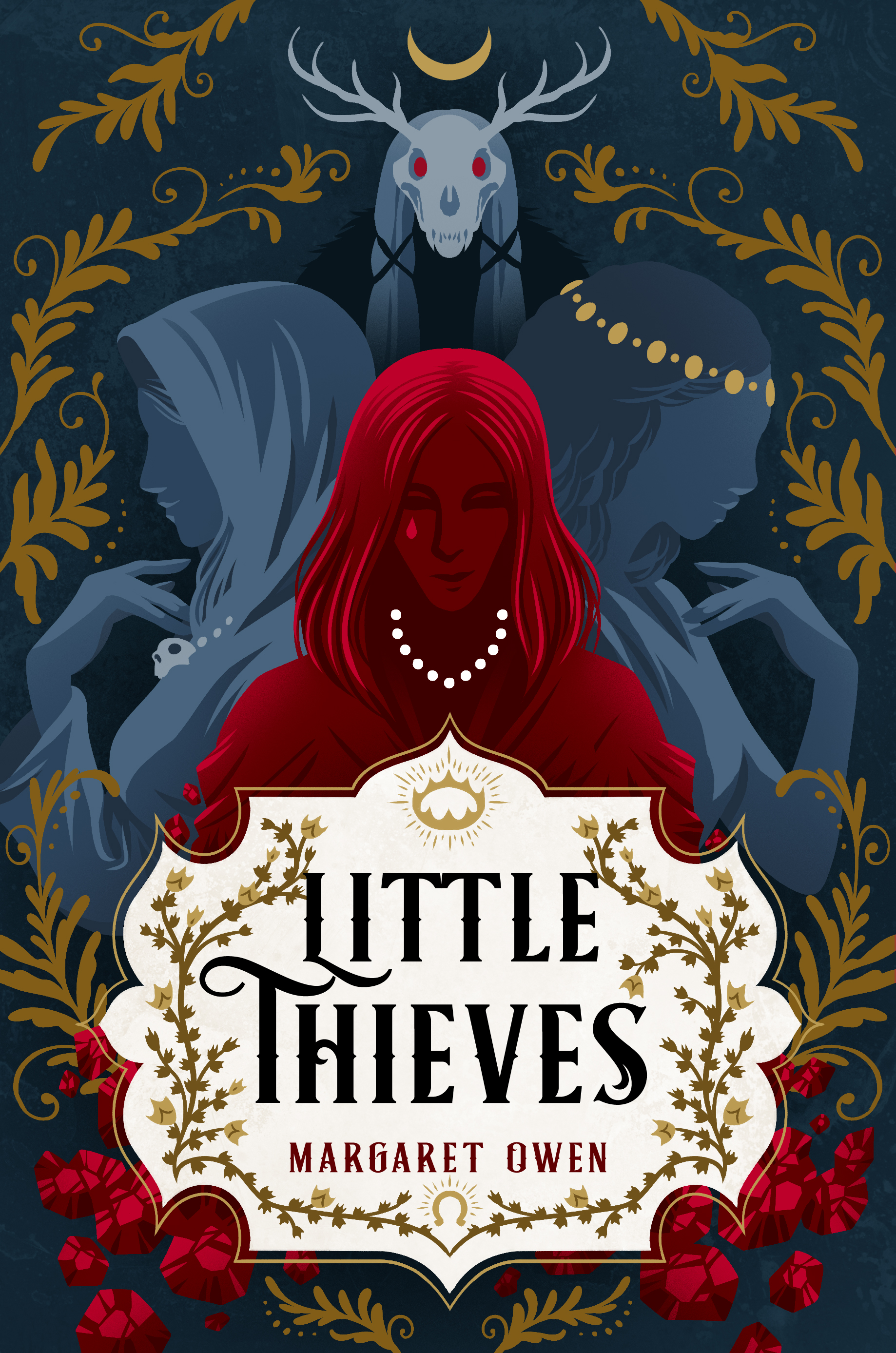
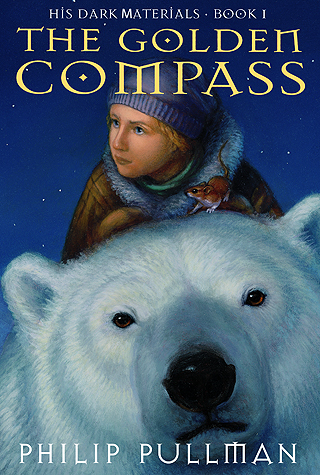
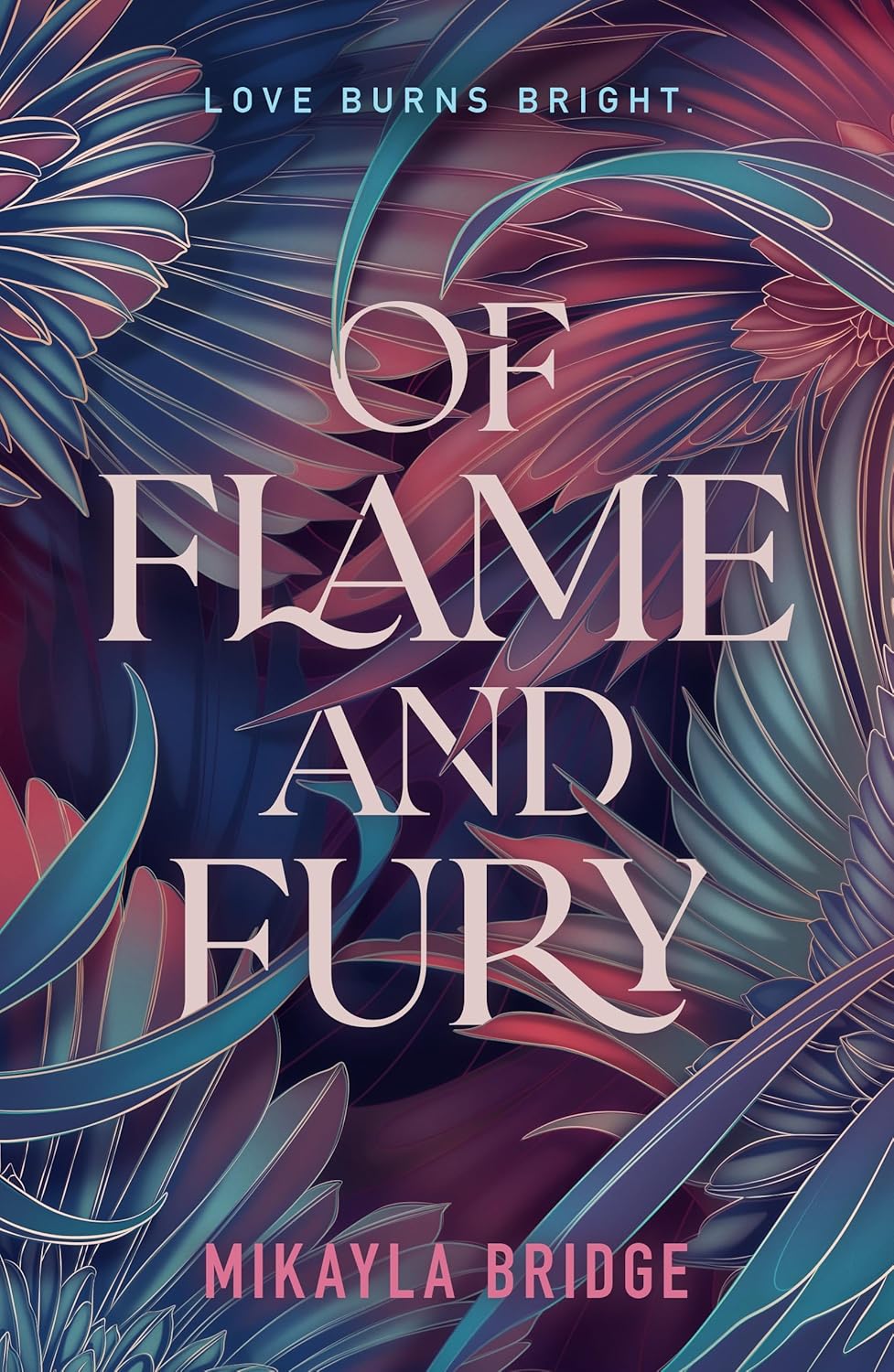
Growing up with a reading specialist mother, a retired librarian aunt, and cousins who semi-frequently attend author events, I've acquired a small collection of signed/personalized books over the years. Some personal highlights include:
Do you have any signed copies that you're excited about or proud of? Any signings you've attended where your interactions with the author made a memorable impact on you?
Post from the Pagebound Club forum
Growing up with a reading specialist mother, a retired librarian aunt, and cousins who semi-frequently attend author events, I've acquired a small collection of signed/personalized books over the years. Some personal highlights include:
Do you have any signed copies that you're excited about or proud of? Any signings you've attended where your interactions with the author made a memorable impact on you?
abby_ace_of_books commented on a post
I literally have an annotation that says, "if Tybalt has no haters, I'm dead," but I think I've already changed my mind?
This play often gets whittled down to "oh, those foolish teens and their recklessness" in reference to Romeo and Juliet making some questionable decisions based almost entirely on emotions and mood swings, but honestly, I think it kind of applies to Tybalt, too. He's blinded by the hatred passed down through his family, even if he has no reason to actually feel it himself. He's older than some of the other characters, but he's still barely an adult, and he's another example of someone blinded by his irrational emotions. They're all just silly kids :(
abby_ace_of_books started reading...

The Last Contract of Isako
Fonda Lee
abby_ace_of_books wrote a review...
Shoutout to all the reviews that told me I'd get more Elm in this book...it was worth it.
Two Twisted Crowns is the sequel to One Dark Window, and I picked it up not entirely knowing what to expect. I didn't love book one and only continued because a) I liked the magic system, and b) reviews of this book made it sound more enjoyable than the first one. I'm glad I continued because I had so much more fun with this book. I do think this is a duology where you either like book 1 or book 2, not really both, because they're fairly different in terms of vibes. But the reasons lovers of book 1 didn't like this one were the reasons I preferred it, and vice versa. This is one of the few cases where, if you didn't love book 1, I'd still encourage you to at least try this one because I'm glad I finished the series, and I might even pick up some of Rachel Gillig's other works now.
Picking up right where book 1 left off, only one Providence card remains to be found: The Twin Alders. But with Elspeth imprisoned in more ways than one, tensions are rising, and it seems a quest is in order. Elspeth, Ravyn, the Nightmare, and Jespyr depart to brave the mists and find the last of the Providence deck, leaving Elm and Ione behind to fend for themselves at the castle. The book alternates between POVs from Elspeth (though hers are fairly minimal), Ravyn, and Elm, which was a welcome change of pace from book 1. More POVs meant more variation in plot, which helped me to feel less bogged down, but there was also more action and suspense. The stakes were far higher, and overall, the faster pacing led to me enjoying this book much more. The beginning still took a bit to pick up, but the last third had me on the edge of my seat, and I surprisingly cried. I kind of called one of the plot twists (I had the clues and half the connection), but there were fewer twists in general because there was more action to make up for it. I was satisfied with the ending for the most part, and, as I said, I'd be interested in checking out more of the author's works because I was impressed with the flip in my feelings for this book.
Another thing that increased my enjoyment was the time spent with characters I wanted more from in book 1. As I mentioned earlier, Elspeth has significantly less page time. I noticed some reviewers were mad about this (and rightfully so, given she is the protagonist), but if I'm being honest, I didn't mind as much. Her POV chapters did annoy me at first before they finally started clicking, but once I understood what was happening, I didn't mind them at all. She still has some scenes, so I wasn't really mad about her absence, and if anything, it made her scenes more of a delicacy, for lack of a better word. Being in Ravyn's head helped me like him a lot more. I do still think he's kind of bland at times, but his angstiness was fun, and I actually started to like his romance with Elspeth when it was all yearning and sadness (ignore what this says about me as a person). Elm and Ione carried this book. Do I have issues with how fast their developments progressed? Yes. Do I care? Not at the moment. Elm is sad boy central, but he's also snarky, and that's a lethal combo. In book 1, I was really hoping there was more to Ione's story, and I'm so glad she got the room to grow as a character. I think I like her better than Elspeth in some respects, so it's good she got more page time. Her increased presence also made me more confident in my Belladonna comparisons. I still wish more could've been done with Jespyr and Emory, but the Elm/Ione chapters were amazing, so I'll take what I can get. The Nightmare is such a complicated character for me...I didn't like him much (he gives Darkling vibes, and I can't deal with that), and some of the things done in his backstory had me rolling my eyes, but at the end of the day, I think I can say I respect him, and that's the most you'll get.
Two Twisted Crowns is the second book in an NA gothic fantasy duology perfect for fans of Adalyn Grace's Belladonna trilogy.
4.25/5
abby_ace_of_books finished a book

Two Twisted Crowns (The Shepherd King, #2)
Rachel Gillig
Post from the Romeo and Juliet forum
I literally have an annotation that says, "if Tybalt has no haters, I'm dead," but I think I've already changed my mind?
This play often gets whittled down to "oh, those foolish teens and their recklessness" in reference to Romeo and Juliet making some questionable decisions based almost entirely on emotions and mood swings, but honestly, I think it kind of applies to Tybalt, too. He's blinded by the hatred passed down through his family, even if he has no reason to actually feel it himself. He's older than some of the other characters, but he's still barely an adult, and he's another example of someone blinded by his irrational emotions. They're all just silly kids :(
abby_ace_of_books commented on abby_ace_of_books's update
abby_ace_of_books started reading...

Romeo and Juliet
William Shakespeare
abby_ace_of_books started reading...

Romeo and Juliet
William Shakespeare
abby_ace_of_books joined a quest
Romantasy Starter Pack Vol II ❤️🔥⚔️✨
💎 // 212 joined
Not Joined

For those ready to dive deeper into the genre, these books offer a range of authors and topics. Brand new to this genre? Check out Volume I for the most popular texts.
abby_ace_of_books joined a quest
Fantasy Starter Pack Vol II 🐉🧚♂️🏰
💎 // 489 joined
Not Joined

For those ready to dive deeper into the genre, these books offer a range of authors and topics. Brand new to this genre? Check out Volume I for the most popular texts.
abby_ace_of_books started reading...

Two Twisted Crowns (The Shepherd King, #2)
Rachel Gillig
abby_ace_of_books wrote a review...
Victor Vale and Eli Ever really be dragging their situationship into the next decade and making it everyone else's problem...
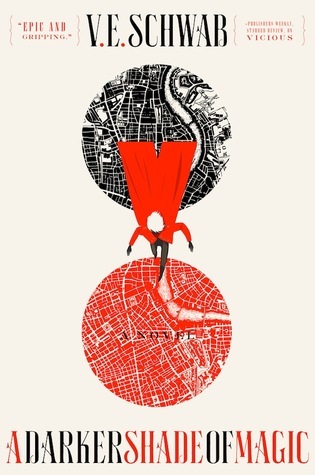
I read Vicious a few years ago, and the only thing I retained was that chocolate milk was involved. I decided to reread it because I'm in a "finish the series you started four years ago" mood, I just watched the new Frankenstein and it made me mad, and I also want to be prepared for when Victorious comes out. I saw that V.E. Schwab made a post about wanting this book turned into an action movie, and I 100% agree. Also, this book reminded me a lot of Marissa Meyer's Renegades in the superhero/supervillain vibes and also the nature of the magic system, for lack of a better word.
Ten years ago, Victor Vale and his roommate, Eli Ever, discovered that NDEs (near-death experiences) create EOs (ExtraOrdinaries, aka people with powers), but the power that once brought them together has driven them apart. A decade later, Victor breaks out of prison with only one goal in mind: confront his former friend turned foe. Eli, on the other hand, has devoted his life to wiping out the EOs he now sees as a threat. Both Victor and Eli are accompanied by motley crews, but in this game of superhero and supervillain, the lines aren't exactly clear. The tension in this book was absolutely delectable, and I don't just mean that in the suspense part. There's action, angst, and morally grey superpowered people, each with an agenda of their own. The plot jumps through time a bit, which is a bit disorienting at first, but I got used to it quickly. The pacing was fairly fast, and the tension remained high throughout the story, which kept me hooked the whole time. A lot of this book is spent on backstory, so I'm hoping book 2 focuses a little more on the present because I loved seeing these characters interact. The tension between them is so rich, and I know it can be even more suspenseful. The ending hit me with a dozen emotions at once, so I'll be putting book 2 on hold now (and then I'll be mad that I have to wait for book 3).
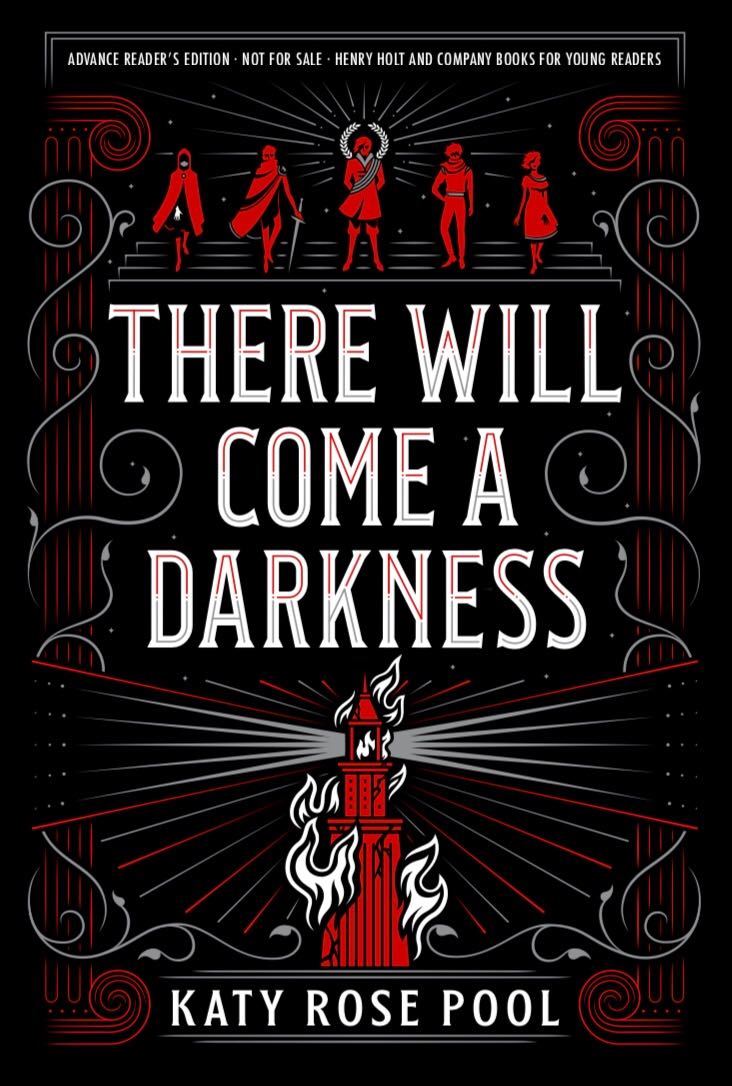
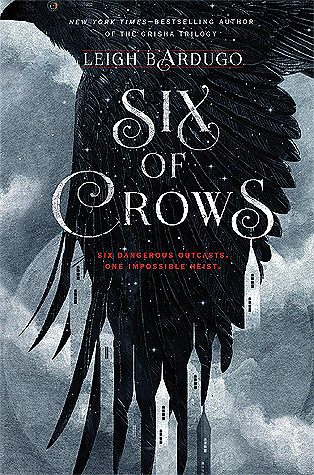
I love found families where everyone is roughly the same age (Six of Crows, for example), but there's something I also love about messy dynamics like the ones in this book. Victor is charming yet very morally grey, and the combination makes him such a fun character to follow. Is he self-centered? Maybe. Did that bother me? Not really? His dynamics with Eli were chef's kiss. These two idiots are unhealthily obsessed with each other, and I'm here for it. Mitch and Sydney stole the show for me. They're literally the definition of "looks like they could kill you; is a cinnamon role" and "looks like a cinnamon role; could kill you" respectively. They're so sweet with each other, and I would read an entire series of just their antics with each other. Also, Dol is adorable, and I love him so much. If anything happens to him, things will be broken. Eli's dynamics with Serena were very interesting to me as well; they reminded me a bit of Ephyra and Serena from There Will Come a Darkness, and there's just something so enticing about two people obviously using each other but also the "I hate you romantically" vibes. Overall, the cast of characters is incredibly entertaining and complex, and I love all of them.
Vicious is the first book in a sci-fi trilogy featuring a world where there aren't really heroes or villains, but a range of people in between, and also, they love chocolate milk.
4.25/5
abby_ace_of_books finished a book

Vicious (Villains, #1)
Victoria Schwab
abby_ace_of_books joined a quest
Tragic Love: Queer Edition 🖤🏳️🌈🫂
🏆 // 652 joined
Not Joined


Books that focus on the unique complexity of queer & trans lives & relationships. Tragic stories that center queer & trans realities.
abby_ace_of_books commented on abby_ace_of_books's review of They Bloom at Night
“Monsterhood is a girl’s body you don’t belong in,” says Noon, the protagonist of Trang Tranh Tran’s They Bloom at Night, a YA queer horror novel centering around themes of community, climate disasters, and what it means to be—or not to be—a girl. A mysterious red algae bloom has overtaken the small town of Mercy, Louisiana, following a devastating hurricane that left the environment flooded, the wildlife mutated, and a creature lurking below the water. When Noon and her mother are charged with hunting down the deadly creature, the stakes are raised, and the question becomes how one defines a monster.
First and foremost, Tran critiques government management of climate disasters, especially in regards to poverty-stricken communities like Mercy, Louisiana. In Noon’s experience, the only assistance her hometown receives from the government following the hurricane is for a gator tour emporium that acts as a tourist attraction, “as long as the politicians don’t have to think about [them]” (Tran 9). Noon reflects that “we are the ones who chose to stay, after all. We deserve what we get” (9), highlighting themes of socioeconomic status dictating how much care is given to specific communities. This is seen again when the scientists visiting Mercy choose to wear hazmat suits, prompting Noon to wonder “the suit is protecting them…What’s protecting us…?” (96). She also rather bitterly muses that, “Now that the news has stopped running reports from or about Mercy, they’re probably extolling the efforts of billionaires to build commercial rocket ships again. Never mind that there is green here to protect” (82). Yet despite all of this critique, Tran also emphasizes hope as a reaction to disaster; “...some 700 people have held onto hope that our loved ones will find us…hope that we can save someone else” (57). When the government fails to protect its people, the responsibility falls to communities to help each other survive.
But in They Bloom at Night, relationships within members of the community are only the beginning as Tran highlights the tensions between Noon and the traditions her family holds dear, specifically calling attention to her conflicted relationship with her mother. In the first few pages, the conflict between Noon and tradition is represented through her discomfort with her mother’s lack of assimilation. She comes from a family of immigrants, and her mother primarily speaks Vietnamese despite Noon’s best efforts to stop her. Noon has clearly already assimilated into American society; her real name is Nhung, but she goes by Noon because she does not want to be seen as something “other.” Outside the assimilation, Noon also blames her mother for supposedly failing to properly teach her what it means to be a woman. “My body is mine and mine alone,” Noon reflects, “but it came from her [her mother]. It took calcium from her bones, fed from her blood. Doesn’t that mean she had a responsibility to teach me how it worked?” (150). A part of Noon cannot help but to resent her mother, but does she truly hate her, or rather the ideas she preaches?
Tran delves into this tension by critiquing heteronormativity and gender roles, mostly using Noon and her childhood friend, Wilder, as an example. Noon considers Wilder to be one of her best friends, but she also mentions that they grew apart “when adults started calling them dates and other kids teased [them] about kissing through our plastic spoons” (66). Noon reflects that she developed a crush on Wilder as a kid, but she cannot be sure that her feelings were her own and not rooted in the subliminal messaging of everyone around her, trying to force them together. Tran uses the awkwardness of Noon and Wilder’s lost friendship to criticize how heteronormativity creates unrealistic expectations, which they then take a step further when they discuss gender roles and Noon’s feelings of alienation within her own family. She mentions a dream where “...I dreamed I was a boy…[my] parents loved me” (50), and in general a feeling that her parents would have loved her more if she were a boy…if she weren’t her. “Dad loved me most until he got his son,” Noon says, “Mom is ashamed of what my girl body has done, as if I had asked for it” (150). Tran uses Noon’s feelings of being “othered” in this context to both represent the harm of gender norms and hint at Noon’s queerness.
More specifically than gender roles, though, Tran also explores themes of violence toward women and the problematic rhetoric of purity culture. There are hints of other female characters facing abuse at the hands of men, most evident through the experiences of Covey (Noon’s reluctant new ally) and her mother. Covey mentions that her mother is one of the disappeared people, and Wilder suggests that maybe she was not taken by whatever creature lurks beneath the water, but that Covey’s father might have had something to do with it. The book also investigates themes of sexual assault and the stigma associated with survivorship, all of which is buried within Noon’s character arc and her transformation. It also further complicates Noon’s relationship with her mother (“Does she not want people to know I put myself in a position to be violated, or does she not want people to know the monster I will become because of it” [152]), and calls into question the purity culture that seems to view such experiences as “ruining.” Like the creature in the water, these themes lurk beneath the surface of the story.
At its heart, though, They Bloom at Night is a story about what it means to be queer, represented through Noon’s nuanced understanding of her gender and her parallel journey of becoming something not quite human. Her physical transformation acts as the focal horror element in the novel; her neck “blooms” with gills, her skin takes on an “oily sheen,” and she doesn’t “eat well unless it’s raw” (148). She calls herself a “fish bone in spoiled flesh” (141), but she also frequently acknowledges that she’s “...encased in a skin that isn’t mine, clothes that aren’t me” (132). The elements of body horror are used to discuss Noon’s gender dysphoria and her question of what it means to be a girl, which she repeatedly asks throughout the novel. Tran makes it clear that Noon’s queer identity is not caused by her trauma or any internalized misogyny; she simply “...hates anyone who scorns us for not being cookie-cutter versions of Boy or Girl” (201). Nor is the body horror aspect of the story supposed to be representative of Noon being queer—though her identity is mirrored through it—but rather as an act of rage against the violence projected toward women, as Noon’s transformation begins before she realizes she is queer. So when Noon says that “monsterhood is a girl’s body you don’t belong in” (234), she is commenting both on her queer experiences and how violence towards women and the stigma in survivorship needs to be properly addressed. In that sense, “monsterhood is a girl’s body” can stand on its own without the second half of the quote; being a girl in a society that focuses so heavily on labels, boxes, and perceptions of purity breeds its own kinds of monsters.
They Bloom at Night by Trang Tranh Tran is a hauntingly impactful YA queer horror novel centering on a protagonist who may or may not be a girl and may or may not be human. Tran utilizes body and environmental horror elements to explore the different forms of the monstrous, many of which are not as speculative as readers may want to believe. “Monsterhood is a girl’s body,” but what does it mean to take ownership of that dehumanization and become a symbol of fear and vengeance?
4.25/5
abby_ace_of_books commented on a post
Guys I hate to be that annoying arcane obsessed queer but I fear they are Jayce and Viktor coded already and that's who I will be face casting them as going into this
abby_ace_of_books commented on a post
I'm doing a project on a Hamlet adaptation of my choice for a class, and I was wondering if anyone had any recommendations! They need to be a film/stageplay (unfortunately, no book adaptations, and also I'm already watching the Benedict Cumberbatch version, so it can't be that one either), but they can be unique or modern, as long as they follow the story of Hamlet. Thanks in advance!
Post from the Hamlet forum
I'm doing a project on a Hamlet adaptation of my choice for a class, and I was wondering if anyone had any recommendations! They need to be a film/stageplay (unfortunately, no book adaptations, and also I'm already watching the Benedict Cumberbatch version, so it can't be that one either), but they can be unique or modern, as long as they follow the story of Hamlet. Thanks in advance!