

bookishpancit
Pancit (she/her/🇵🇭siya) 🖕🏽🧊 I like reviewing my baby’s board books 🛌📚 sleepy millennial with a bottomless TBR 🗺️📖 diversifying my bookshelf one title at a time
14111 points








October 2026
4.09 average · 339 reviews
Click a segment to filter

I’ve been waiting to post my review to gather my thoughts on this book, but I just don’t know that I could ever fully encompass how much this book got to me.
A family brought together, torn apart, left to mend their broken pieces, lose each other, and find each other again. Raw, gritty, aching, sometimes nauseating and other times heartwarming. Sometimes devastating and other times fiercely hopeful.
Becky Manawatu’s Auē is a harrowing tale about multiple generations of an extended Māori family navigating grief, trauma, addiction, and gang violence. She expresses the family’s complicated story through a uniquely Māori lens, incorporating language and cultural traditions seamlessly into the narrative. Most of the characters really grew on me, and I appreciated the complexity Manawatu put into her female characters especially. Jade in particular will stick with me.
Each chapter is told from the perspective of a different character and a third person narrator; Manawatu’s ability to shift from a young child’s inner world to his teenage brother and then to the third person narration of other characters’ journeys is phenomenal. At first these switches felt confusing and disjointed because of how some chapters are in the current timeline and others are told from the past. But once I understood the backstory, it became easier to go back and forth. The confusion also made for an intriguing experience of the story in and of itself. I wanted to get to the bottom of this family’s story and understand their pain.
I was deeply moved by the way Manawatu beautifully expresses some of the most painful emotions and tragic scenes. The characters don’t just have feelings, we are taken on the somatic experience with them and dive into their inner worlds. There were moments that had me sobbing with so much empathy that I had to put the book down.
My one critique is that the final quarter of the book felt rushed after such an intense slow burn throughout the majority of the book. I wouldn’t have minded it being longer just to get a more fleshed out timeline of events for the conclusion.
Auē hurt me in so many beautiful ways.

Assata is not just an unforgettable and moving autobiography. It is an opportunity to experience the voice, thoughts, and evolution of Assata Shakur herself from her childhood all the way to her political asylum in Cuba. I found her writing to be deeply personal, thoughtful, emotional, honest, vulnerable, revolutionary, and powerful.
While so much of Assata’s story is heartbreaking and beyond frustrating (re: the u.s. injustice system, incarceration, mistreatment of Black women and children, and more), Assata also shares stories of connection to community and culture, uplifting moments with family and friends, the sacred love of motherhood, and the raw humanity that comes with evolving personally and politically. This is all tied together by her beautiful writing style that feels down-to-earth and familiar, as if a trusted elder has sat with you and decided to share their life story. Some pages will leave you misty-eyed and some pages will have you chuckling and nodding along. Assata’s spirit and passion is truly woven into this autobiography.

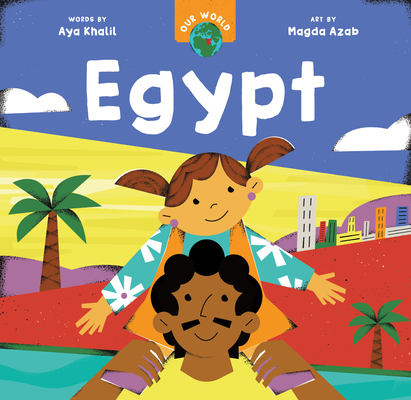
A beautiful message of belonging, diversity, and community told through heartwarming rhyming lines and fun, bold art!
Below are some of my thoughts on what different age groups might like about this book from a new mama and former preschool and toddler teacher. Hopefully they can be helpful to someone:
Babies would enjoy: bold and contrasting colors; rhyming words; community and neighborhood words
Toddlers would enjoy: rhyming lines and sing-song tone; engaging illustrations with varied perspectives; seeing neighborhoods that might look familiar or totally new
Preschoolers would enjoy: learning and memorizing the rhymes; taking in the details of the art; recognizing familiar characters throughout the book; talking about community, diversity, and belonging
Kindergarteners would enjoy: recognizing rhyming words; identifying sight words; practicing their writing by copying words or sentences from the book
You don’t have to get rid of a book just because it’s not sold for a certain reading level. Remember that readers can get more out of a beloved book over the years!


Has anyone come across any fiction books with characters living with PMDD (premenstrual dysphoria disorder)? I think it would be so validating to read about characters going through the same/similar symptoms as me. (It’s been rough again lately 🥲)
Thank you! And much love to anyone else impacted by PMDD too 🫶🏽 You’re definitely not alone.

The Body Is Not an Apology: The Power of Radical Self-Love
Sonya Renee Taylor
”Making peace with your body is your mighty act of revolution. It is your contribution to a changed planet where we might all live unapologetically in the bodies we have.”
What I love the most about this is that you don’t have to be “finished” making peace with your body in order to contribute to the revolution. The fact that you are on a journey towards a more peaceful and loving relationship with your own body is what really matters. Wherever you are on your journey, you are helping to turn the tide towards a world that is more accepting and compassionate.

© 2025 Pagebound