
timtim
329 points





timtim started reading...
Dopamine Nation: Finding Balance in the Age of Indulgence
Anna Lembke
 0
0timtim is interested in reading...
Emily Wilde's Encyclopaedia of Faeries (Emily Wilde, #1)
Heather Fawcett
0timtim commented on a post from the Pagebound Club forum
Guys, can you recommend your favorite fantasy books where the protagonist isn’t a teenager & the character development, plots, and general level of writing are deeper and more nuanced than what’s in typical YA lit? 👀
I realised that it’s super hard to find a story set in a magical (or just an interesting imaginary/fairytale) world that wouldn’t target a very young audience and would largely avoid common tropes. No hate for YA, I just completely grew out of it (in my thirties) and can’t read novels about children romanced by grumpy 100-year-old strangers without cringing anymore. For example, novels like The girl who fell beneath the sea, As long as the lemon trees grow, Nobody in particular (the latter two in terms of writing, not fantasy) are cute and fairly well-written but they were too reductive and naive for me to enjoy. Most popular fantasy I see in recs and different lists/shelves are on that level (which makes sense statistically and from the marketing perspective but essentially drowns books for other target audiences in the flood).
It’d be fun to see how fantasy words are experienced by adults with a fully developed brain (think late twenties and onwards). I get why 16-yo are those who’d be impulsive enough to jump inside a weird portal and try to save the world against all odds, which a tired working adult would rather ignore. 😆 But there must be more to fantasy than one special teenager saving the universe. The only examples I can think of is something like Game of Thrones (which I like a lot), maybe The Magicians and Kuang’s Babel and Katabasis (although the MCs were on the younger side in those). Apart from what I mentioned above (adult MC and writing), I’m open to virtually any stories and mixed genres.
51timtim commented on a post
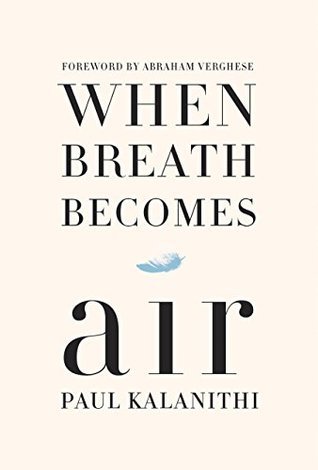
It's interesting how the author relies so much on his erudition, it actually undermines the power of his storytelling.
Triggered by:
From the Enlightenment onward, the individual occupied center stage. But now I lived in a different world, a more ancient one, where human action paled against superhuman forces, a world that was more Greek tragedy than Shakespeare. No amount of effort can help Oedipus and his parents escape their fates; their only access to the forces controlling their lives is through the oracles and seers, those given divine vision. What I had come for was not a treatment plan—I had read enough to know the medical ways forward—but the comfort of oracular wisdom.
2timtim wrote a review...
For about a decade, whenever I saw "When Breath Becomes Air" in a bookstore I always assumed it was a book with unique reflections on death, the medical profession and finding meaning despite/through hardship. Unfortunately, my impressions were mostly wrong (kudos to the marketing!).
There were a few thoughts on the patient-doctor relationship that will probably resonate with people from the medical profession. It was also interesting to learn what it takes to become a neorosurgeon at the highest level. Besides that, the book is all over the place, switching between journaling, sermons, non-rigorous philosophy, unnecessary literary references, etc. without ever getting to a deeper, more personal level.
It seems harsh to judge an author trying to write his debut on his deathbed with too little time to refine it. At the same time, who writes a book on their deathbed? Either you have an important message to share or it is one final immortality project. (Spoiler: it's the latter.) In the end, I think Kalanithi fails to find meaning because he had not (yet) come to terms with his own mortality in the non-medical sense.
0timtim finished a book
When Breath Becomes Air
Paul Kalanithi
0timtim TBR'd a book
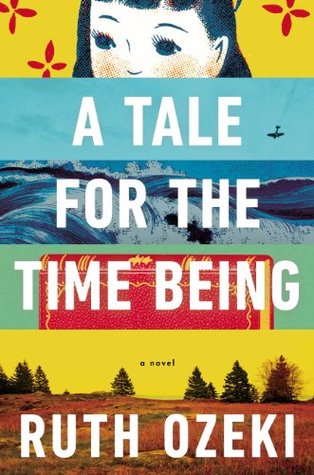
A Tale for the Time Being
Ruth Ozeki
0Post from the When Breath Becomes Air forum
It's interesting how the author relies so much on his erudition, it actually undermines the power of his storytelling.
Triggered by:
From the Enlightenment onward, the individual occupied center stage. But now I lived in a different world, a more ancient one, where human action paled against superhuman forces, a world that was more Greek tragedy than Shakespeare. No amount of effort can help Oedipus and his parents escape their fates; their only access to the forces controlling their lives is through the oracles and seers, those given divine vision. What I had come for was not a treatment plan—I had read enough to know the medical ways forward—but the comfort of oracular wisdom.
2timtim TBR'd a book
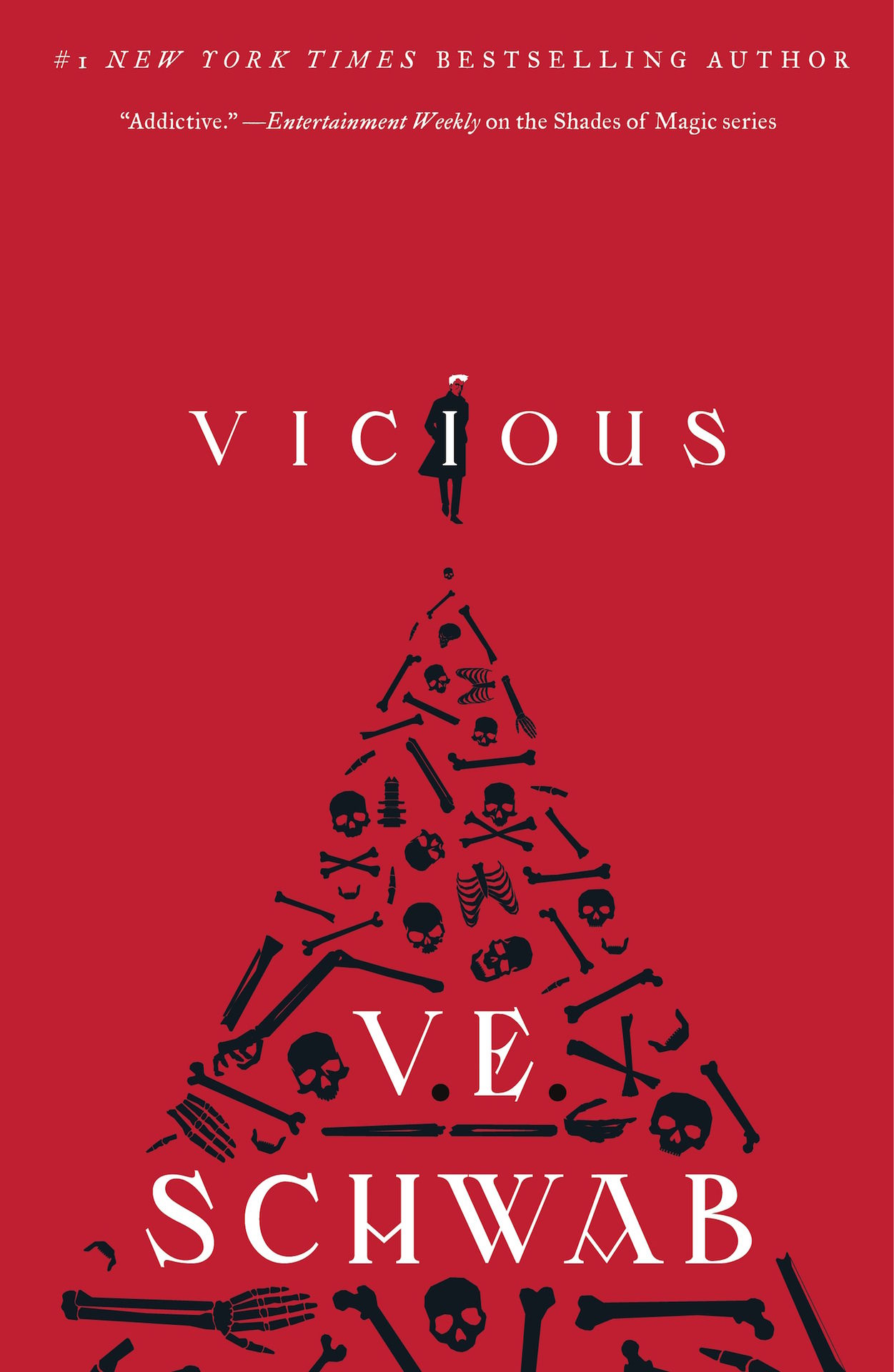
Vicious (Villains, #1)
Victoria Schwab
0timtim made progress on...
Kiki's Delivery Service (Kiki's Delivery Service, #1)
Eiko Kadono
0timtim made progress on...
Kiki's Delivery Service (Kiki's Delivery Service, #1)
Eiko Kadono
0timtim started reading...
Kiki's Delivery Service (Kiki's Delivery Service, #1)
Eiko Kadono
0Post from the Miss Peregrine’s Home for Peculiar Children (Miss Peregrine's Peculiar Children, #1) forum
Having watched all seasons of Welcome to Wrexham, I feel pretty confident in saying that the narrator isn't even trying to do the Welsh accent, let alone butcher it.
0timtim wrote a review...
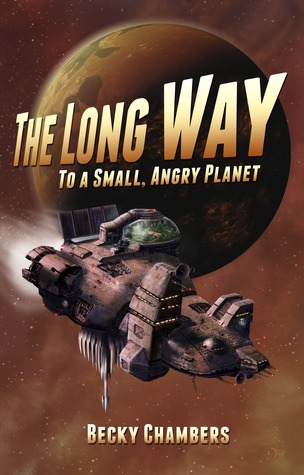
This book felt like a TV series where the first couple episodes are a slog to get through but at some point you become invested in the characters and you want to see how it ends. At first, I struggled to see what the point of this book was. What happens in most chapters does not really seem to matter to the overall story or an underlying concept that is being explored. After a while, I started to appreciate that cozy "sci-fi" is just about a group of characters hanging out in space, and if you don't expect more from it, it's quite alright.
0timtim finished a book
The Long Way to a Small, Angry Planet (Wayfarers, #1)
Becky Chambers
0Post from the The Long Way to a Small, Angry Planet (Wayfarers, #1) forum
timtim made progress on...
The Long Way to a Small, Angry Planet (Wayfarers, #1)
Becky Chambers
0