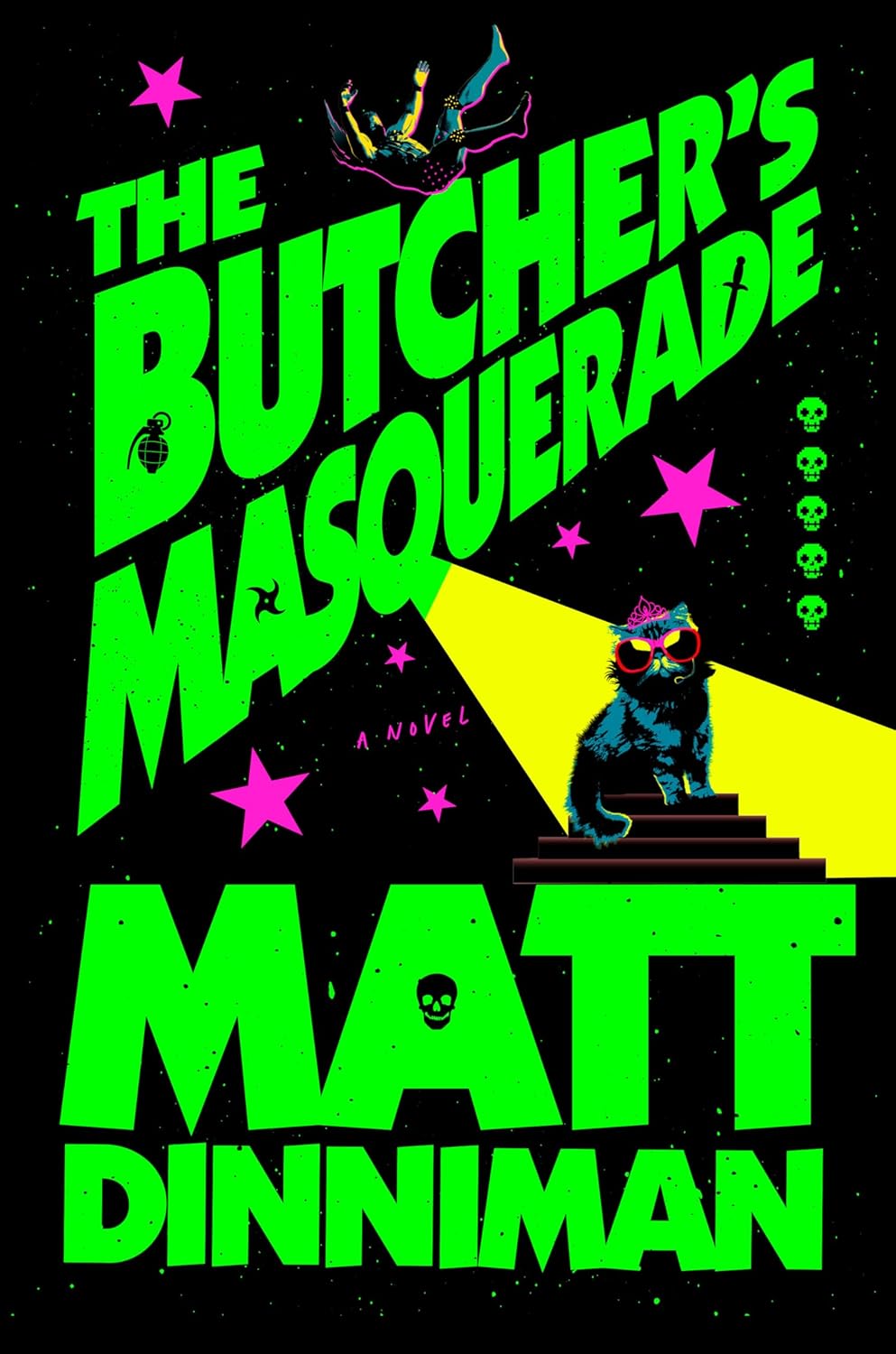
Collecting as many thoughts as I can post-reading, but there is so much to say and observe.
I love the way this story is about so many things but never to the point of feeling like it's overcrowded. The way they all tie in together and feel like a 'whole' rather than too many things. It is a ladder stitch of a story being pulled together.
Two things that put a pit in my gut of the subtlety of the horror, from long past reading in university, is how fascism co-opts artistic movements. Pastoralism, beauty, twisting expression into perfection and the sheer human agony that the people leading these movements will exact in order to see it done. They are kings and all below them, are pests. The progression from how only insects and rats are in the Manual at the start, the quiet part never marked on paper. Then, with Bertram at the helm, the Manual strains to contain every entry of every person, actual person or personality as vermin too. The use of ecdytoxin with mayfly to obscure and warp memories of before, deployed fast and willingly upon citizens as well as individuals, making Revivalism feel like that's all there ever was, and the rest is so long ago, barely remembered, bastardised in plays that the affluent see. Those in the mid, and under-city, are the ones who just barely, barely remember that it wasn't always like this. Not that it was better either, but change can happen, it can always happen again.
Like the logo of Borisch-Gorslung-Schrekt, they will eventually turn, and eat their own tails. They will eat their own, and there will be nothing left.
The other is that Guylag, with Dawn cradling him; he knows Dawn's 'love' is possessive. He knows there is a price. He lies to himself; that Dawn is not the Bishop -- but he is so, so much worse. The twist that the people he did sex work for, in the end, were the people he could trust with Tyro's life, was actually refreshing.
It's both subtle and not that Revivalism has a sex aversion to it. Dawn, in how he responds to Guy's rejection - how he verbally eviscerates him for his second job, reducing him to 'whore'...it then seeps throughout Revivalism, indulging in pageants of executions and gore, stuffed to the gills on perfumes that make them beautiful, powerful, strong...but nobody is sexy. It's only a moment in the book but then when I realise the people calling the shots, it screams it at every turn. Scent is their beauty, it is their clothing, and to go without is as brash as nakedness, foul and uncouth. The only people that do fuck, find themselves in with Extemporalists, one way or another. Mallory, by virtues of his own contamination, he is immune to the touches of poisonous perfumes on his person, and can only ever be himself.
The way names shift and change as personas, as capitalistic stage names, nom de plume, sits wonderfully with me. I'm sure many of us, neurodivergent or not, have metaphorical masks we wear for work, and parts of our personalities we portion out, in careful doses.
The way Bertram and Sorav, now knowing, pepper in calling Mallory by she, her, while Olaf changes so quickly to he, him.
Mallory is such powerful queer perspective. A man who spent his years away, a proverbial monster, coming back from the borders and periphery of city existence with knowledge and a standing that is strange, yet so very, utterly human despite it all. A man who is so different that it makes others feel like they can be themselves. His effect on ecdytoxin crumbles it, though he is not alone; he's simply the leading man.