
Pinkfloydian
405 points




Pinkfloydian wrote a review...
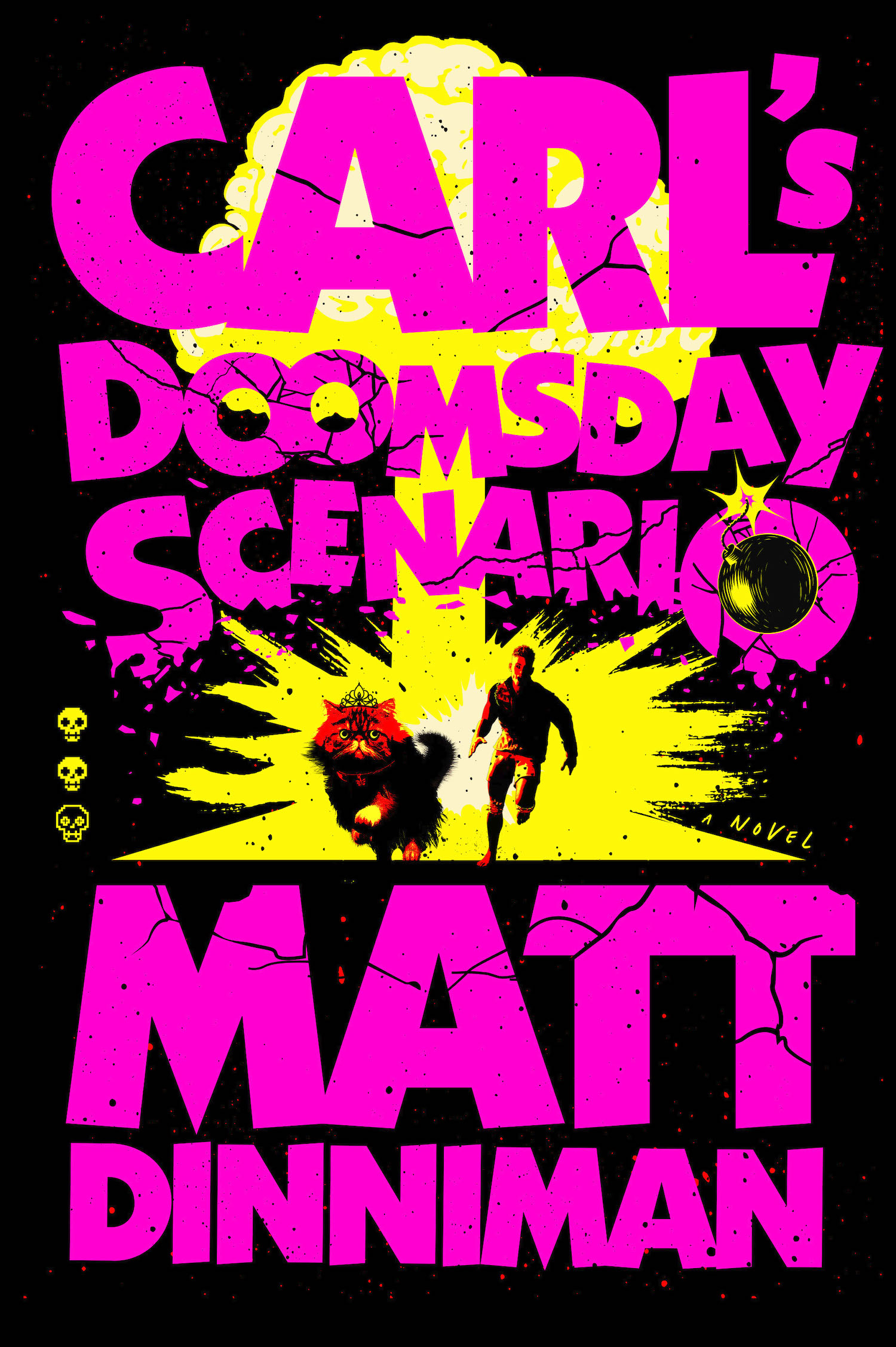
The story of Carl’s Doomsday Scenario picks up right where Book 1 left off, with Carl and Donut descending into level 3 of the dungeon with a baby velociraptor in tow, and from there it’s the usual mix of chaos, absurdity, quests, classes, loot, stats, achievements, and a whole lot of game-world nonsense.
If you were already on board with the particular brand of humour in Dungeon Crawler Carl - occasionally quite raunchy, very nerdy, very committed to its RPG mechanics - then this will probably be a good time. It’s basically more of the same, just with Carl and Donut now getting to choose classes and properly throw themselves into questing. On the other hand, if Book 1 already had you hesitating because of the tone, this feels like the point where it makes sense to get off and try something else.
I’m still mixed on some of that tone myself. There are casual mentions of sex workers and violence against women that come up as part of a murder-mystery storyline, and for me it didn’t feel like the book was doing much to interrogate the ugly redpill-gamer attitudes and harmful stereotypes sitting underneath that kind of material. It felt more like those things were just being treated as part of the scenery, and that sat badly with me.
That said, Carl and Donut remain ridiculously entertaining, and the audiobook was a genuinely excellent companion for spring cleaning. I got through a truly grim amount of housework with this keeping me sane and motivated, which honestly counts for a lot.
 0
0Pinkfloydian finished a book
Carl's Doomsday Scenario (Dungeon Crawler Carl, #2)
Matt Dinniman
0Pinkfloydian started reading...
Carl's Doomsday Scenario (Dungeon Crawler Carl, #2)
Matt Dinniman
0Pinkfloydian wrote a review...
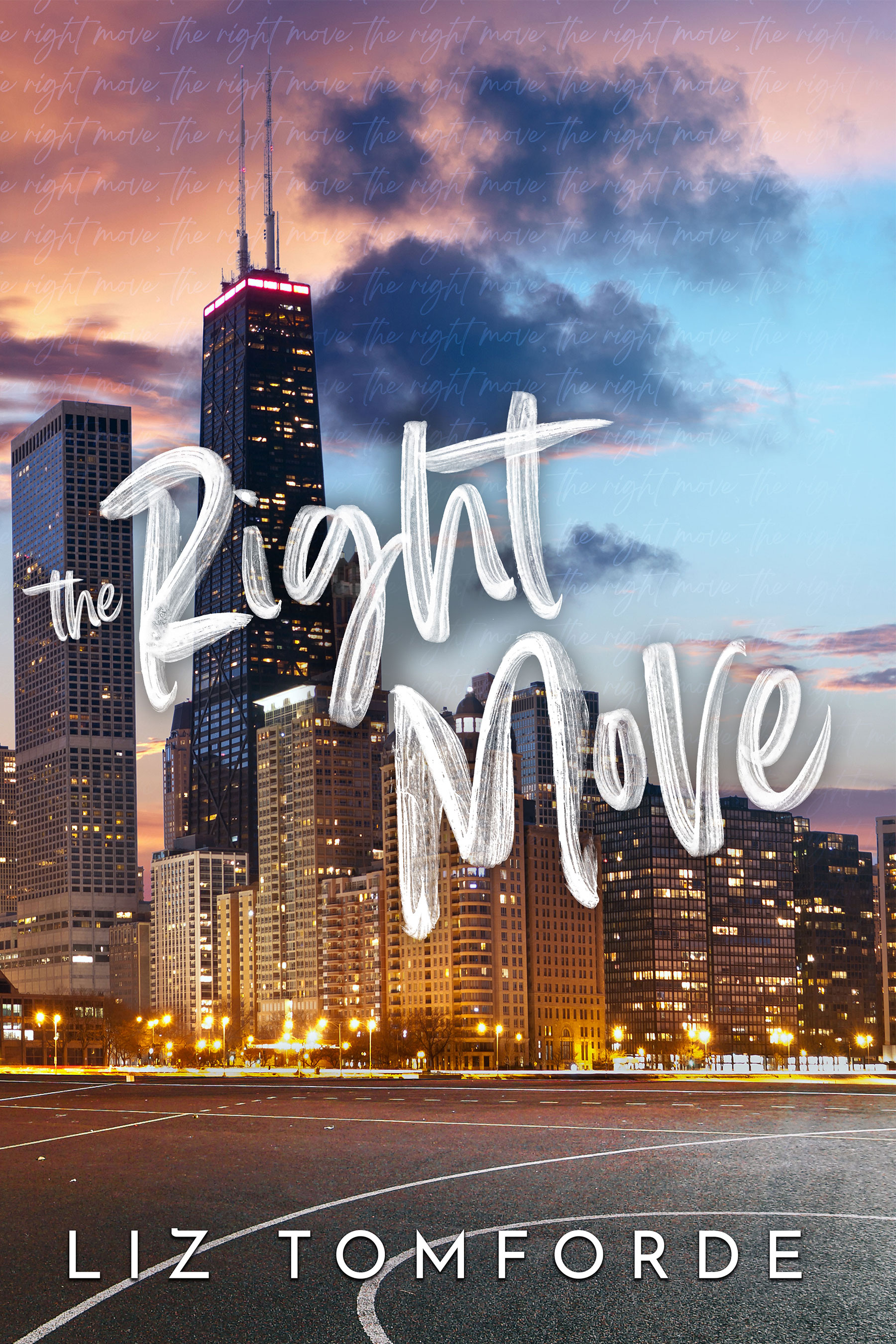
I had a much better time with this than I expected to. At this point, the fake dating setup in sports romance is practically its own mini-industry, one that usually asks you to accept the deeply silly idea that a millionaire athlete turning up everywhere with a gorgeous woman on his arm still needs to convince people the relationship looks real. I’ve read versions of this exact storyline more times than I can count and the results have been very mixed. Even so, this one won me over.
A lot of that comes down to the leads. The plot is undeniably tropey and not especially original, but Indy and Ryan have have such an easy, entertaining dynamic that I didn’t mind following them through it. Their chemistry carries the whole thing and I ended up having a genuinely good time with them. I also loved getting more of the couple from book one and seeing them settled and happy in the background, which gave the whole series a nice sense of continuity.
If I had to complain about one thing it’s the length. This book really did not need to be almost 500 pages - once it goes past certain point, the plot starts circling the same insecurities, the same misunderstandings, the same communication issues, with a lot of very explicit smut woven in between. At a certain stage it felt less like the story was progressing and more like it was revisiting the same emotional beats in slightly different settings.
That said, I was pleasantly surprised by how the final conflict was handled. One thing that frustrates me in a lot of romances is when the hero says something awful, disappears for five pages, comes back with a half-decent apology and the book expects everyone to move on because apparently love covers all administrative errors. I liked that this story gave Indy real agency instead. When she decided she didn’t want to talk to Ryan, the plot actually respected that. There was no big manipulative grand gesture designed to bulldoze her boundaries and corner her into forgiveness just to hurry things along. He has to sit with the consequences, wait until she is ready, and even then she doesn’t owe him immediate absolution. He has to prove that his feelings mean something in practice, not just in speeches. That worked for me much more than the usual formula, and honestly felt far more romantic.
So yes, this is very much one of those books where the premise sounds a bit ridiculous if you stare at it too long, but the character work is charming enough that I didn’t particularly mind. Not flawless, occasionally repetitive, but still a very enjoyable read.
0Pinkfloydian commented on a post
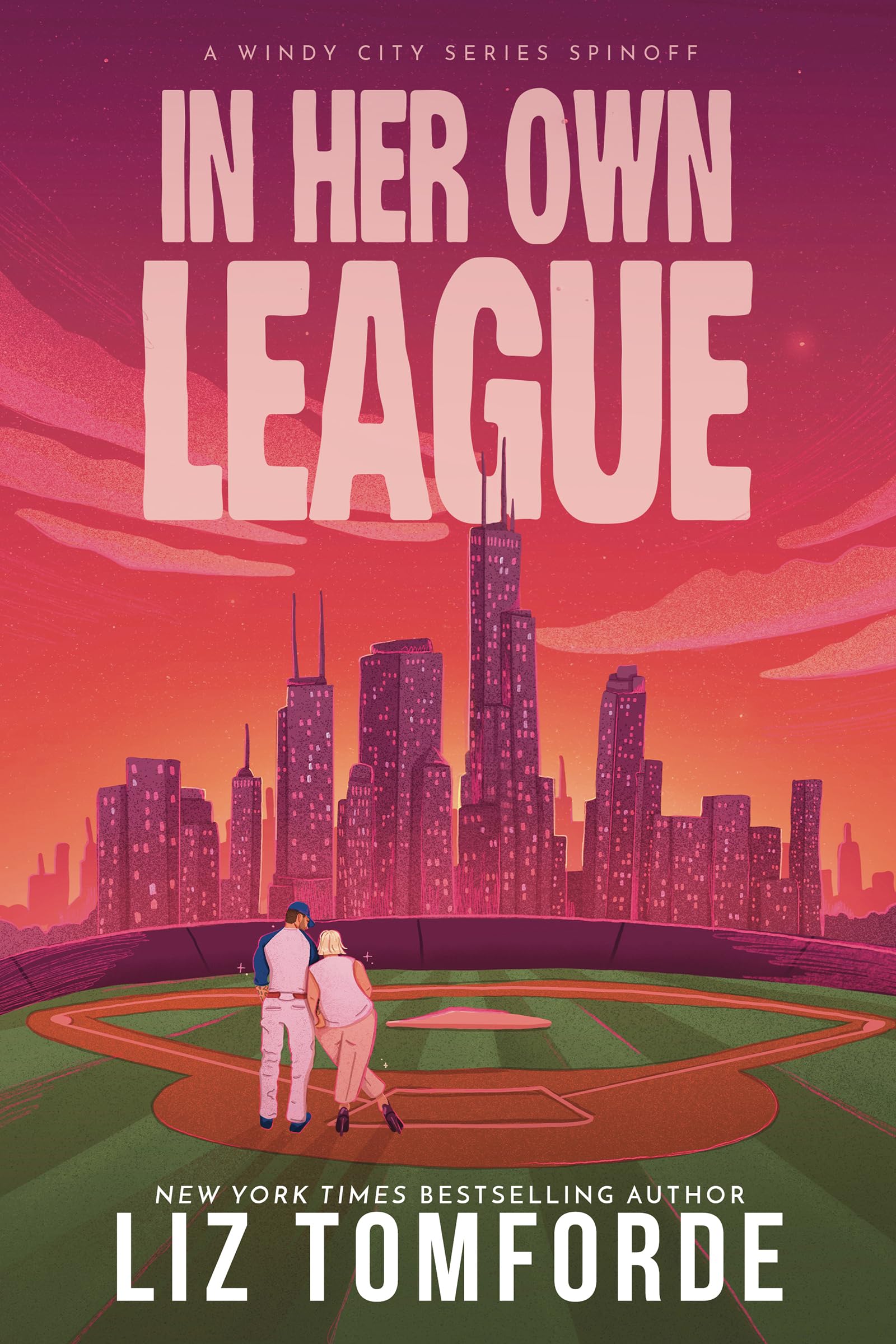
Okay so I've been scrolling all day and half of my feed has been nothing but quotes from „In Her Own League", and to be honest I'm sold. Every single snippet people are sharing hits exactly the tropes I live for, and now I need it immediately.
Quick question for anyone who's read/reading it - is this part of the Windy City series? If so, can it be read out of order? I only got through the first book so far. I don't mind finding out who ends up with whom in earlier books - but do the main characters here have significant backstory that's built up across earlier books, making it worth reading those first? Would love to know before I dive in! 🧡
9Pinkfloydian commented on a post

Post from the Untitled forum
Okay so I've been scrolling all day and half of my feed has been nothing but quotes from „In Her Own League", and to be honest I'm sold. Every single snippet people are sharing hits exactly the tropes I live for, and now I need it immediately.
Quick question for anyone who's read/reading it - is this part of the Windy City series? If so, can it be read out of order? I only got through the first book so far. I don't mind finding out who ends up with whom in earlier books - but do the main characters here have significant backstory that's built up across earlier books, making it worth reading those first? Would love to know before I dive in! 🧡
9Pinkfloydian wrote a review...

I have been thoroughly tested by this series.
Over the past week I reread the entire Woven Kingdom series because I wanted to see whether my first-read frustrations from two years ago were unfair, exaggerated, or just a product of bad timing. If anything, the reread only confirmed them. I ran into the exact same issues at the exact same points, which was honestly almost impressive.
What really struck me on reread is how much stronger book one still feels. It has the most interesting world-building, the sharpest character work and an actual sense of narrative momentum. I flew through it. Everything after that feels so different that it almost reads like it belongs to another series entirely.
I know these books are beloved by readers who are here primarily for the slow-burn romance, and to be fair, I usually am too. I love yearning. I support prolonged emotional suffering in fiction. I am perfectly happy to watch characters pine for 900 pages before they so much as brush hands, provided there is some kind of payoff and, ideally, an actual plot moving alongside it. The problem here is that so much of books two, three, and now most of book four feels like nothing but recycled angst with barely any forward movement around it.
By this point the repetition has become impossible for me to ignore. Characters conveniently forget they have powers whenever those powers would solve a problem too quickly. Alizeh, who in the first book felt both gentle and strong, increasingly loses the resilience, intelligence and agency that made me care about her in the first place. She keeps charging into danger, dissolving into tears and failing to clear up misunderstandings that have been dragging this story in circles for far too long. Meanwhile the side characters tested my patience so consistently that I spent a good portion of this book wishing for a dramatic reduction in the cast.
Even the romance started wearing thin for me, which is not something I say lightly. Cyrus and Alizeh just keep replaying the same emotional beat - one step forward, two steps back, more pining, more assumptions, more misery, and very little else to distract from the fact that we have been here before. Book four technically moves the story out of Cyrus’s palace in Tulan and into the Arya Mountains in search of the source of Alizeh’s jinn magic, which sounds promising on paper, but in practice a lot of it is still people travelling, waiting around camp and rehearsing the same conflicts yet again. Nobody trusts Cyrus and every side character must remind him of that constantly, Cyrus is still trapped in the most tiresome misunderstanding imaginable and remains convinced Alizeh loves someone else, and Alizeh, for reasons I found completely baffling by this stage, is still somehow persuaded Cyrus does not care for her. We are four books in. This has been the plot for three books straight.
At that point I genuinely struggled to understand why Cyrus was so completely devoted to Alizeh, because she has done very little lately to inspire that level of loyalty. There were moments when I thought Kazan was treating him with more care than she was.
The reason this rates higher than All This Twisted Glory is the final stretch, where the story finally remembers it has a plot and starts moving with some purpose. That section reminded me there is still a story arc in here that I want to get to - it just keeps getting buried under repetition, padding and an almost heroic refusal to trim anything.
More than anything, this series feels like it desperately needed a firmer editorial hand. Books two and three did not need to exist as separate instalments, and most of book four could also have been cut back heavily. There is probably a very good trilogy buried inside these five books - keep the strongest romantic material, keep the key developments, lose the endless circling and let the story breathe by actually moving. I can survive one middle-book detour. I cannot do three in a row.
I’m still curious enough to read the final book, mostly because at this point I have put in enough time, patience and emotional labour that I feel entitled to the conclusion.
0Pinkfloydian wrote a review...

I went into this one with basically no expectations and that probably helped, because it ended up being a really pleasant surprise.
At the centre of it you’ve got a soulless girl, a heretic half-angel and a demoted inquisitor forced to work together to investigate ritual murders that could unravel the safety of a holy city. Around that, there’s all this extra texture with faith, holy powers, absent gods, Church politics and the shadow of a holy war in the background. It felt fresh in a way fantasy doesn’t always manage lately, and that alone carried a lot of goodwill for me.
This is very much a moody, character-driven story, though, and I think enjoyment will depend a lot on what you usually want from fantasy. If you’re here for propulsive pacing, intense romance or especially deep character dynamics, this one may not fully deliver. The plot moves quite slowly for most of the book and only really gathers speed in the final stretch.
Csilla also tried my patience more than once. She’s clearly written as gentle, obedient and deeply shaped by the church that raised her, with her whole sense of self tied up in wanting a soul and wanting to belong. I could see what the author was doing with her arc, but listening on audio may have made that side of her feel even more pronounced, because she came across as almost constantly timid and wavering. I spent a lot of the book waiting for her to start pushing back properly.
Still, I came away enjoying it. The atmosphere is strong, the central ideas are unusual, and I liked that it wasn’t trying to force in a romance where one didn’t belong. There are a few crumbs for book two, but at this point I’m not fully sold on that side of things yet. If you’re in the mood for something slower, darker and more interested in mood and theology than in speed or swoon, The Faithful Dark is well worth a look.
0Pinkfloydian wrote a review...
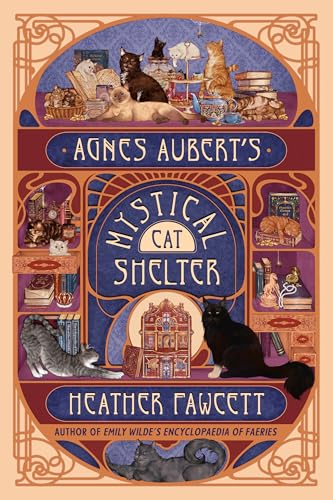
I really, really wanted to love this one. A magical cat shelter in 1920s Montreal, from the author of Emily Wilde? I was absolutely sold on that premise before I even read the blurb properly. So it pains me to say that this ended up being one of my bigger disappointments of 2026.
Let’s start with what bothered me most - the setting, or rather, the near-total absence of one. Fawcett plants her story in 1920s Montreal and then proceeds to ignore almost everything that made that era what it was - and not in a way that feels intentional or stylised, just… unexamined. Agnes runs her shelter with the sensibilities of a modern-day rescue organisation - complete with adoption interviews, responsible cat parenting consultations and standardized spaying procedures that predate modern anaesthesia by roughly two decades. Her sister is a campaign manager for her politician husband, which is a fun detail except that married women in Québec at the time were legal minors under the Civil Code - they couldn’t open a bank account or sign a contract without their husband’s permission. A working-class orphan character is pursuing a postgraduate degree in history at university, which strains credulity not just because of her gender but because that level of class mobility would have been essentially impossible then. Same-sex couples can marry (and adopt cats together). At one point a character brings Agnes a takeout pizza in a cardboard box. Everyone addresses each other by first name immediately, thinks in thoroughly modern terms and speaks with the casualness of contemporary conversation. The only reminder that you’re not in the present day is Agnes occasionally spotting an automobile on the street.
The thing is, I’m not opposed to cosy fantasy that projects modern values onto a historical backdrop. Plenty of authors do this well. But if you’re going to do it, either commit to a fictional world where you set your own rules, or lean into the era and let it create depth and friction. The 1920s are extraordinary source material - the Great War’s shadow still stretched across an entire generation, women were entering the workforce in new ways and only just beginning to win voting rights (and those gains were agonisingly slow), suffragette movements were reshaping political life and the aftermath of the Bolshevik revolution was still rippling through working-class communities. Imagine Agnes trying to run a cat shelter in a world that still largely considered cats vermin, navigating all of that alongside the magical plot. Instead, the period exists only as a thin aesthetic layer - the occasional mention of a horse-drawn cart, some vague street names. Montreal is name-dropped a few times but never actually conjured. This story could have been set in any French-speaking city and you’d never know the difference.
The plot, unfortunately, doesn’t compensate for what the setting lacks. For a large portion of the book very little actually happens. The central conflict involves Agnes getting entangled in a power struggle between the (annoyingly handsome, what else) magician Havelock and his twin sister Valérie, who wants a magical artefact that will let her travel back in time, collect even more powerful ones, and… bring about the end of the world. Why? The book never really answers that. Her motivations reduce to sibling rivalry, which might work as a character detail but not as a foundation for apocalyptic villainy. There’s also a previous near-apocalyptic event involving Havelock that Agnes references repeatedly as though it’s hugely significant - but we never find out what actually happened or how it was resolved. We’re just asked to accept it and move on. The other magicians aligned with Valérie feel like a chaos collective with no discernible purpose beyond setting things on fire. As antagonists go, they're more baffling than threatening.
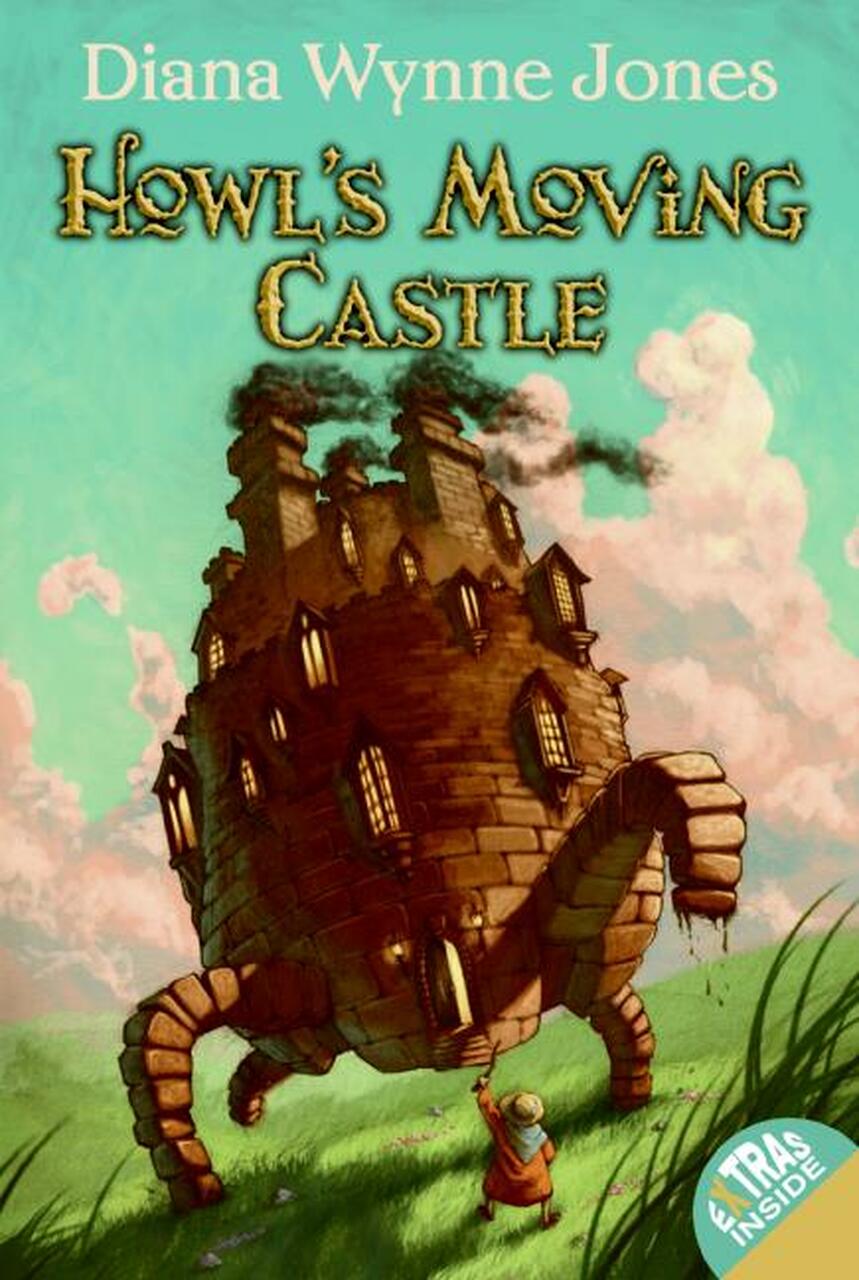
The romance suffers from the same problem as everything else - it's told rather than shown, the two leads interact a handful of times across the first two thirds and then somewhere around the Act 3 mark they kiss and we're apparently meant to believe a fully-formed connection has materialised. It hadn't, at least not on the page. There’s an obvious Howl’s Moving Castle energy to the whole setup (Havelock is very clearly based on Howl, and Agnes is Sophie sans the aging spell), just without the rich, layered world-building and character depth that make Diana Wynne Jones’s original work so enduring.
I can forgive a lot in cosy fantasy when the atmosphere is doing its job. But when neither the world nor the characters nor the plot feel fully realised, there isn’t much left to hold onto. As a follow-up to the Emily Wilde series, this was a genuine struggle to finish and that makes me sad to write. Your mileage may vary - and a lot of my frustration is clearly rooted in how excited I was going in. But if you’re picking this up for the historical Montreal setting, temper those expectations.
0Pinkfloydian wrote a review...
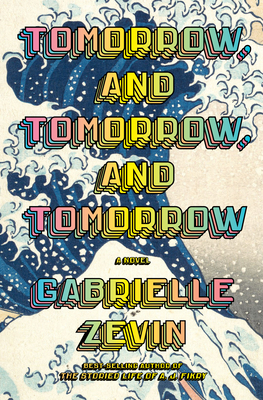
I’ve seen this book divide readers pretty sharply - people either crown it their favourite of the year or abandon it with one star and a grievance list. My experience lands somewhere between those poles, and I’m mostly at peace with that.
Yes, Sam and Sadie are frustrating. They miscommunicate, make poor choices, repeat those choices, and generally do the things that make you want to reach through the pages and shake them. But I’ve never quite understood the idea that characters need to be likeable to be worth reading about, or that likeable and relatable should essentially be the same thing. And these two are deeply relatable, messy and flawed in ways that felt genuinely real rather than contrived. The journey they each have to make is often traumatising to witness, and while I did want a different ending, the final chapter never felt like a conclusion. It felt more like a pause in a story that keeps going without us.
What I have less patience for is the one-star crowd calling this book Zionist. Sadie comes from a Jewish family - her grandmother is a Holocaust survivor and that heritage shapes who she is - which is just… normal storytelling. There is one character, Dov (Sadie’s abusive ex, very much written to be despised), who is also Jewish and who occasionally travels between Boston and Israel. That is, quite literally, it. We are not at the stage where naming a country constitutes a political manifesto, and I’d gently suggest that calling this book Zionist is doing a lot of work with very little material.
A more credible criticism - and one I actually agree with - is how Dov’s story closes out. He faces no real consequences for what he did to Sadie (or other women in his life). Worse, years later she’s having lunches with him, apparently content to forgive the man who hurt her and exploited his position over her, while simultaneously choosing to believe the worst of Sam and cutting off someone who was supposed to be her closest person. It’s a frustrating dynamic. But I’ve known men like Dov (let’s be real, they never face any consequences), and I’ve known women like Sadie - women who were in relationships with older men who held power over them and who chose, for their own complicated reasons, to excuse or forgive those men while holding everyone else to a different standard. Sadie behaving that way felt uncomfortably real. And by that point in the book, it’s been clearly established that she isn’t the most reliable perspective to trust anyway.
What I loved without any reservation were the games. Every project Sam and Sadie built together is described with such vivid specificity that I found myself genuinely gutted that I don’t have the skills to make something like that myself. That’s the mark of good writing for me - not just making you care about characters, but making you covet their world. Tomorrow and Tomorrow and Tomorrow did that, even as it left me slightly traumatized.
0Pinkfloydian wrote a review...
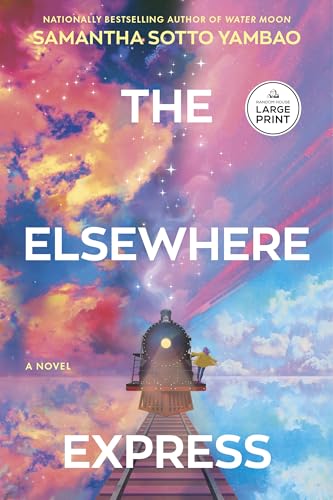
I genuinely don't know how to rate this one, or even describe it, really. Some books just resist easy categorisation, and this is one of them - and I mean that as both a compliment and a mild frustration. The prose alone is reason enough to pick it up. I’m not typically a highlighter - I rarely feel the urge to stop and capture a sentence - but this book had me wanting to keep certain lines close and to sit with them long after the story was over.
At its core, this is a story about grief left to fester, about self-discovery and about second chances for people whose lives have cast them adrift. About people who board a magical train where you can jump off a bridge upward, where painful memories can be dissolved with tonics and where the lost might, eventually, find themselves again. The premise alone is enchanting.
Samantha Sotto Yambao’s The Water Moon was, despite its flaws, one of my favourite reads of 2025. The Elsewhere Express shares a lot of its core concepts - characters wandering through whimsical, magical worlds - but where The Water Moon felt like stepping into a Hokusai print, all clear lines and deliberate brushwork, this one is far more surreal. Less Hokusai, more Dalí or Lewis Carroll. The experience is looser, stranger, and considerably less cohesive.
There’s no shortage of imagination here. A train where every carriage is its own world with its own rules and logic. Entire landscapes born from people’s dreams and stray thoughts. A falling star you can paint in mid-air to carry you from sky to ground. Doorways are hidden inside picture frames and teakettles. It’s wildly inventive, and that’s precisely where the tension lies. So many dazzling ideas are packed in there, that the narrative occasionally feels like a milion brilliant concepts all crammed into a single novel, rushing you from one location to the next before you’ve had a chance to fall in love with where you are. This author’s best moments are usually the ones where she pauses, lets a setting breathe and allows you to be properly immersed. There just aren’t quite enough of those.
The chaos does feel intentional to some degree - this is a story about time travel and time loops, and by the final act the narrative threads are fraying in ways that mirror the story itself. Whether that’s a feature or a flaw probably depends on how forgiving you’re feeling. For me, it was a little of both.
0Pinkfloydian wrote a review...
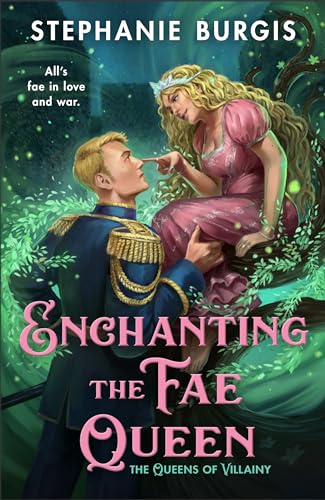
I spent an embarrassingly long time thinking of Stephanie Burgis as firmly “mid-grade fantasy author” in my head. I really liked Kat, Incorrigible back in the day and still recommend it to friends with kids who are getting into fantasy, so my mental filing system had her shelved there for good. Then a Goodreads friend started this series and this has been the reminder that, nope, Stephanie Burgis can absolutely write grown-up romantic fantasy too.
Enchanting the Fae Queen picks up right where Wooing the Witch Queen left off. Lorelei - the half-fae queen (technically not immortal) with a flair for mischief - kidnaps her longtime nemesis, the rigidly honourable imperial general Gerard de Moireul and hauls him into the fae realm. This is ostensibly meant to help the Queens of Villainy push back against Otto, the grasping Serafin emperor who wants to conquer the continent and purge it of magic creatures and non-humans, though quite how abducting Gerard achieves this remains bafflingly unclear. If you’ve read book one, you’ve already made peace with accepting certain plot contrivances at face value. The payoff is that the hijinks start immediately, including Lorelei and Gerard being forced to team up for a fae trial competition.
A solid 75% of why I picked this up was the cover and I’m not even going to pretend otherwise. It’s gorgeous and it nails the dynamic: Gerard in his polished, buttoned-up emotional repression, Lorelei radiating glittering fae mischief - the illustration is perfection. Their romance was my favourite part by a mile - my favourite tropes, great banter and a really satisfying push-pull dynamic. I would’ve personally dialled back Lorelei’s immediate outward attraction (I’m a slow-burn suffering enthusiast), but fortunately Gerard’s ironclad self-control does a lot of heavy lifting in the yearning department. Watching him finally surrender to falling for his fae queen was genuinely lovely.
My main frustrations from book one, though, definitely came along for the ride. The first novel trapped us in Saskia’s library while only telling us about the wider world. Book two ventures into that wider world - we get the fae realm, new settings, bigger potential scope - and yet I still had that persistent tell-not-show feeling. The whole “turn Gerard to their side” plan stays vague, which also undercuts the sense that Lorelei is secretly more calculating than her capricious public persona.
The big centrepiece is the fae tournament, which takes up around two thirds of the book and it should have been my favourite section on paper. Unfortunately, it still often felt like a lot of it was happening behind a curtain - lots of “they did trials all day” without actually letting us see most of them, meet properly defined competitors, understand rules, track standings or feel genuine urgency about winning. There’s also a new villain whose motivations and history with Lorelei get briefly explained, but it stays surface-level, like the world was right there and I was viewing it through a foggy window.
It’s extra baffling because Burgis can really write and her character work is so readable. The tournament portion, however, sometimes felt like a draft-y bridge built mainly to deliver the real goal - to get Lorelei and Gerard into the next emotional beat and to manufacture a dramatic conflict leading into Act 3. The good news is Act 3 pulls things together with much sharper action and momentum, and the romantic arc stays satisfying throughout.
Overall, I had a great time despite the structural annoyances, and I’m absolutely continuing - especially since the final installment is meant to be sapphic, which I am very ready for.
0Pinkfloydian wrote a review...

I’ve been counting down the days for a full year to get my hands on the second Atena Ferraris book, and now that I’ve finished it… well, it’s complicated.
The story picks up the day after Le Ventisette Sveglie di Atena Ferraris ended, with the same loveable chaotic crew. Atena’s finally realised her lifelong struggles have a name (neurodivergence), and book two opens with her attempting to get a proper diagnosis through Gemma, the neuropsychologist from the first investigation. In the waiting room, she meets Gemma’s friend Elisa, who’s being blackmailed by a coworker trying to sabotage her promotion. Naturally, with some enthusiastic nudging from Atena’s chaos-magnet twin brother Febo (a thriller author desperately hunting inspiration), the gang reunites to help.
First - the good parts. I really appreciated the soft retcon of Atena’s diagnosis. In my review of book one I had complained about Gemma declaring Atena probably had AuADHD after knowing her for a week. This time Gemma sensibly suggests Atena see another psychologist for an independent diagnosis - which feels far more realistic, considering these processes can take years. As someone navigating my own neurodivergence, I value the representation but also need it to ring true.
The reactions from family members felt spot-on too. Even people who love you deeply don’t always support seeking diagnosis, especially if they see it as stigmatising or threatening your ability to be perceived as “normal”. That tension was realistic and handled very well.
The found-family dynamic also continues to be the series’ strength. Unlike Basso’s earlier series (Vani Sarca, Anita Bo), where side characters felt like comic relief, this cast has proper depth. Febo especially transcends the chaos-gremlin archetype he would have been stuck with if he were a character in Basso’s older books. He’s selfish sometimes, fiercely protective of Atena, but also occasionally blindsided by his own ideas of “normality” in ways that hurt her - without ever meaning to. Honestly, Atena’s relationship with Febo outshone her supposed romance with Jacopo by miles.
Now for the not-so-good parts. As a lawyer, reading Basso’s books always requires a hefty suspension of disbelief, and this one’s no different. The logical next step after Atena meets Elisa would be for Elisa to contact an employment lawyer. Full stop. End of story, blackmail threat or not.
But my biggest frustration is that despite being marketed as a cosy mystery… there’s barely any mystery. The investigation into Elisa’s blackmailer plays out as a minor background arc whilst the real focus is depicting Atena’s AuADHD through endless slice-of-life vignettes and retrospective chapters. These flashbacks to her and Febo’s childhood appear every other page, hammering home that she’s struggled with the same issues her entire life. Useful the first few times, tedious and repetitive after that. The author was so invested in character development that the story’s proportions went completely lopsided. I don’t mind slice of life when it’s engaging, but Atena’s daily life here is rather uneventful - it’s just her neurodivergent reactions to mundane events, not actual compelling happenings. Meanwhile, the mystery element is practically non-existent and frankly dull. The resolution arrives via an absurdly unbelievable deus ex machina crammed into two pages near the end.
As for the romance… well, the less said, the better. Alice Basso doesn’t write compelling romance - she opts for comedy (with a sense of humour that doesn’t always connect with me) instead of genuine tender moments. The final chapter had me rolling my eyes so hard I was grateful the book was nearly over.
A bit disappointing overall, though the character work remains solid.
0Pinkfloydian wrote a review...

I flew through this novella in one sitting, mostly grinning the whole time. There’s something inherently delightful about a theatre romance where everything is already one missed cue away from chaos.
The setup is peak backstage mayhem - half the cast of Oklahoma! gets taken out by food poisoning, and Bex (the lead actress) suddenly finds herself reunited with her former onstage partner C.J., now a proper TV star, who gets dragged in at the last second to replace the male lead. It’s messy, high-stress, and weirdly cosy in that “we’re all going down together” way.
I did bump on the writing here and there. I’ve got two of Julie Soto’s full-length novels sitting on my physical TBR, so I went in expecting a bit more polish than the occasional clunky line or tonal wobble (there’s a very specific kind of awkward phrasing that yanks me right out of a scene, and this had a couple of those). Even so, the chemistry between Bex and C.J. was genuinely fun to watch - the kind that builds naturally because they already have history and instincts around each other, not because the book is insisting they find each other sexy.
But honestly? My favourite part wasn’t even the romance. It was the cursed production itself unfolding in the background like a slow-motion disaster you can’t look away from. The supporting cast - actors, dancers, all the backstage personalities - felt properly alive, and the whole thing had that immersive “you can smell the hairspray and panic” energy. By the end, I felt like I’d been wedged in the wings with them, whispering “good luck” and watching everything catch fire.
0Pinkfloydian wrote a review...
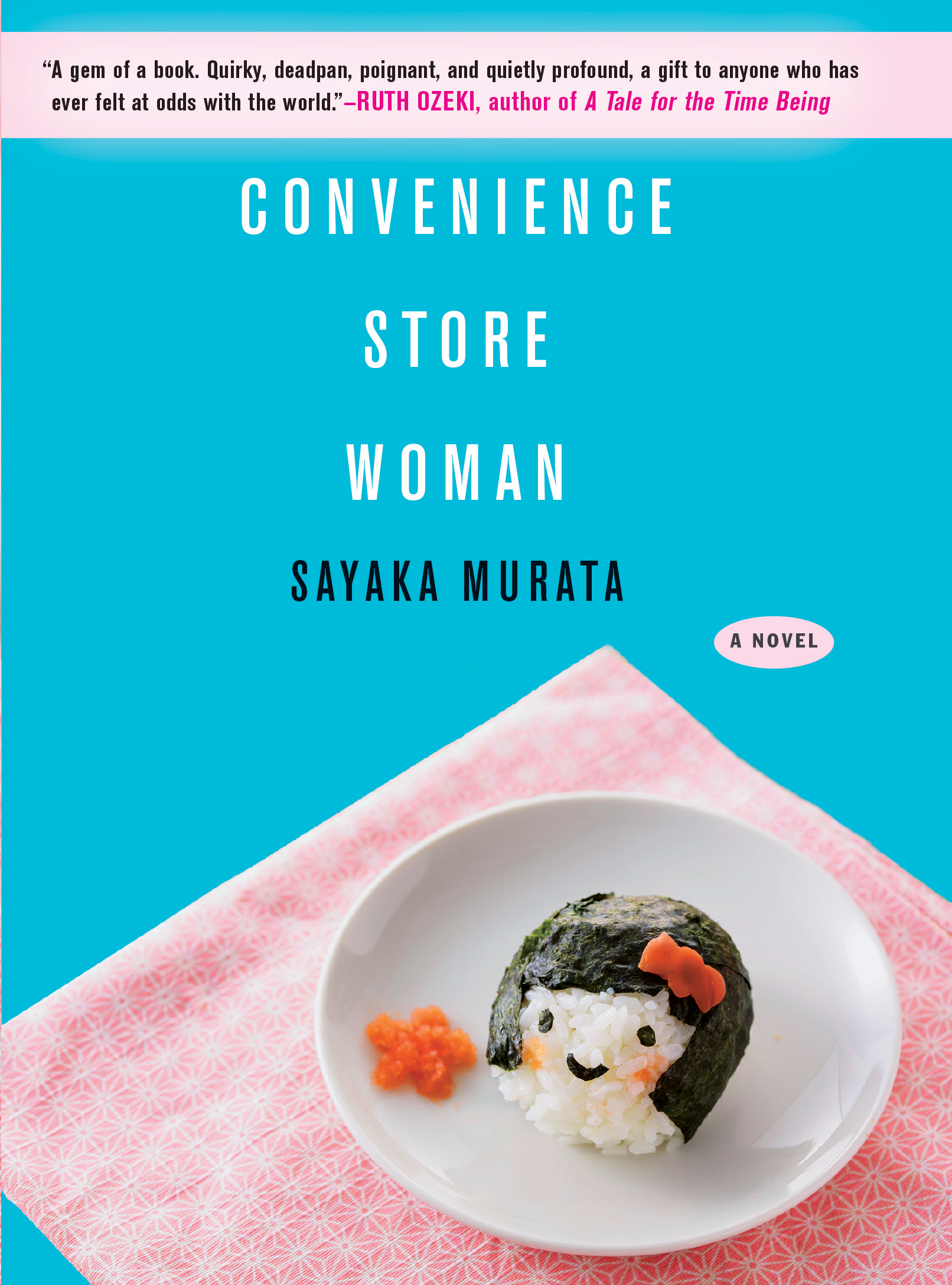
I’ve been trying to read a bit further afield lately, and this was my first proper step into Japanese fiction that isn’t “cosy small-business healing story, also featuring a cat”. There is, technically, a shop. It just isn’t that kind of book.
Convenience Store Woman follows Keiko, a thirty-six-year-old part-time convenience store worker who is, on paper, doing everything right at her job and still somehow failing at being a “normal” adult in everyone else’s eyes. The store is her calm, her script, her one place where the rules make sense. Outside of it, she’s constantly translating herself - voice, clothes, timing, facial expressions - like there’s a manual everyone else got given and she somehow missed.
It’s a short novel, but it has teeth. Murata skewers the ableist and quietly misogynist rules baked into “normal” life, the way people police each other into the same narrow shape, and the casual cruelty aimed at anyone who doesn’t want or understand the approved milestones. It’s also, unexpectedly, a little ode to essential workers - the ones who keep the lights on while the rest of us barely notice.
I finished it feeling very seen. I wish I’d had this book at twenty - it would have given me language for things I didn’t learn to name until much later.
0Pinkfloydian wrote a review...
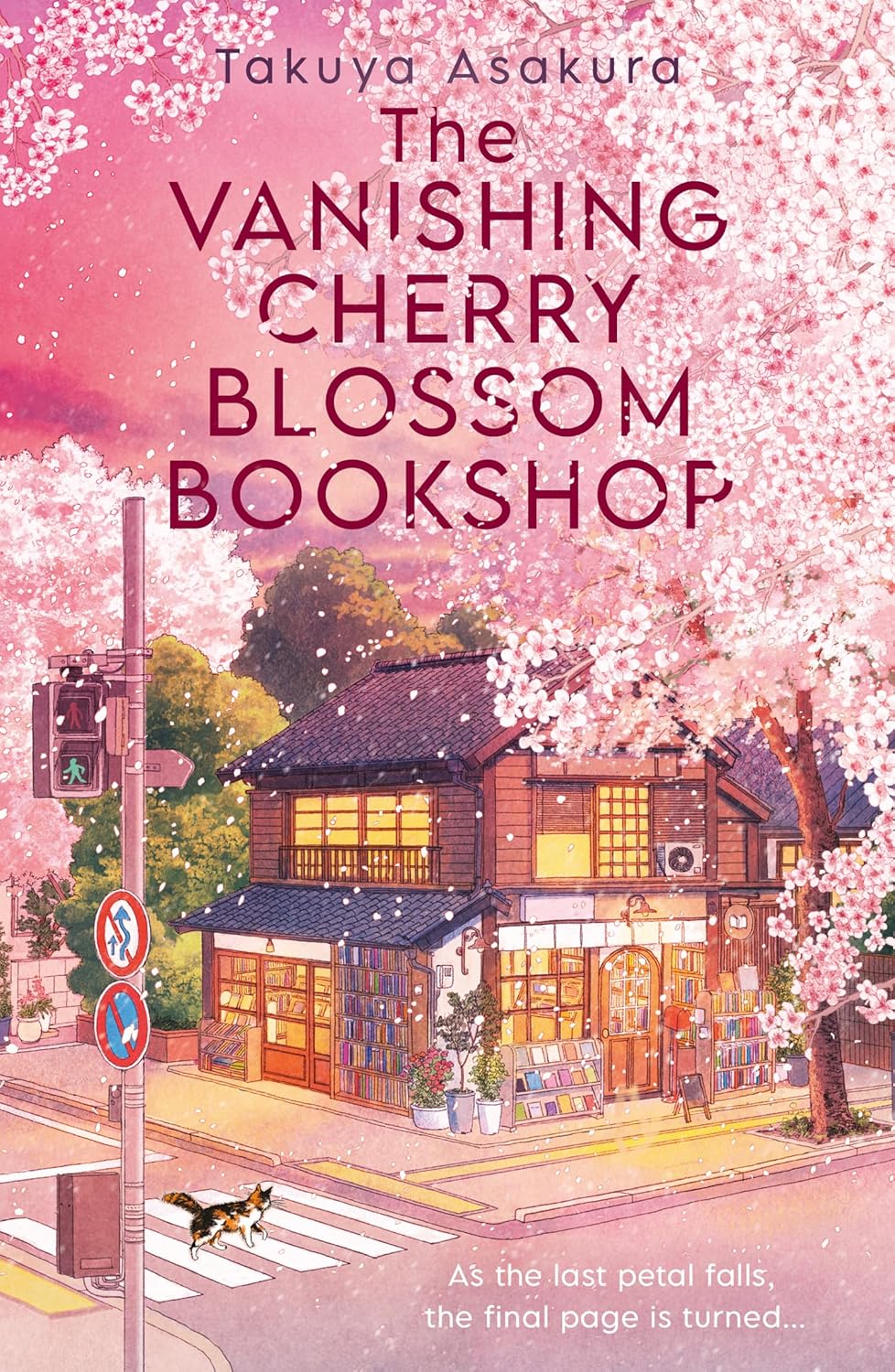
I’m not above admitting I bought this book for the cover. That’s it. That absolutely gorgeous, overwhelmingly pink cherry blossom tree cascading over an isometric bookshop storefront - I was done for. English translations of Japanese novels have been absolutely killing it with their cover art lately (those detailed, cosy interiors we’ve come to expect, the inevitable cats), and this one pushed it even further.
The premise feels familiar if you've read this genre before. Each chapter follows different characters who stumble into a mysterious bookshop that exists outside of time, guided by a young woman in a pinafore dress and her calico cat. Read the same passage as her simultaneously, and you’re transported there. It’s reminiscent of Before the Coffee Gets Cold, touching on grief, regret, family and belonging.
For the first three vignettes, I was feeling a bit lukewarm about it. Well-written, sure, but they felt a touch short and surface-level, like the author was ticking boxes rather than really digging in. Pleasant enough, nothing special.
Then came the fourth story - the young woman's own tale, the reason the bookshop exists at all - and suddenly everything clicked. Every preceding vignette wasn’t the story at all - they were just scaffolding to reach this moment. It's both beautiful and devastating, and maybe I was emotionally raw (I'd just finished a Fredrik Backman and was still fragile), but I absolutely cried. That last story is why this rounds up to four stars instead of three.
0Pinkfloydian wrote a review...

This story properly broke me. I spent the entirety of my train ride home trying not to ugly cry in public, which tells you everything you need to know about my relationship with this book.
What got me wasn’t just the emotional gut-punches (though there were plenty). It’s that Backman managed to write what might be the most beautiful, heart-wrenching love story I’ve ever read - and somehow did it without writing a romance novel at all.
I don’t have adequate words for the whirlwind of emotions this book put me through. To say that it was beautiful doesn’t quite cover it, but it’s the closest word I’ve got.
0Pinkfloydian wrote a review...

I haven't read anything by Robert Jackson Bennett since the Divine Cities Trilogy, which feels like a terrible TBR mismanagement sin in retrospect. I'd almost forgotten how absurdly rich and original his worlds can be. The Tainted Cup is fantasy with a proper suspense engine, but it’s not a cosy little whodunnit with a magical varnish. The closest comparison in my head is a mash-up of Knives Out energy, the body-horror-ish spore/organic weirdness of The Last of Us, and that “humanity survives behind walls because the outside wants to kill you” pressure-cooker feel you get from Attack on Titan. The leviathans looming over everything add this constant sense that the world itself is an active threat, not just background scenery.
The setup is deliciously strange. In an opulent mansion tucked in a remote imperial province, a high-ranking officer is found dead - killed when a tree spontaneously erupted from his body. Even in a world where leviathan contagions can cause bizarre magical transformations, this death is both terrifying and seemingly impossible. At the centre of it are Ana Dolabra and Dinios Kol, and their dynamic is half the fun. Ana’s a brilliant investigator with strong eccentric hermit tendencies (quite literally, since she refuses to remove her blindfold or leave her house), and Din is her long-suffering assistant - magically altered to have a perfect memory, basically built to observe and report with painful accuracy. It certainly introduces that familiar Sherlock and Watson dynamic, except the “Watson” is also a walking recording device, which turns out to be both useful and kind of unsettling in the best way.
Anyone who read City of Stairs knows Bennett handles investigation arcs well, but the final act here still managed to impress me. The way the puzzle pieces clicked together in the last chapters was satisfying in a way that makes you want to re-read the whole thing just to spot the clues you missed the first time around. It captures that thrill of watching a great detective movie, but with the added layer of high fantasy world-building.
Tiny practical note: I did this on audiobook, and the narrator honestly did a great job, but I’d personally recommend print or ebook if you’re even slightly prone to name-confusion. There are a lot of proper nouns flying around - people, places, creatures, objects — and after a while (possibly because I was listening while exhausted) some of them started blending together in my brain. On the page, I think I would’ve had an easier time keeping every thread pinned down.
0Pinkfloydian wrote a review...

View spoiler
1