
ameoba
she/her • 🖤 tiktok: ame_noirr blog: ohnobooks.wordpress.com
184 points






Post from the Senlin Ascends (The Books of Babel, #1) forum
I thought I wouldn't like it because of the writing style, but actually that's the reason I'm really liking it so far. It feels like I'm there with Senlin, it's so lush and descriptive
 0
0Post from the Pagebound Club forum
I always struggle with this. If I don’t like a book, I either soften my thoughts too much or avoid posting altogether because I feel bad. I never want to tear down authors or hurt anyone’s feelings, but at the same time sometimes a book is just bad or doesn't work for you and that’s okay.
So how do you go about it? How do you phrase criticism in a way that feels fair but not mean?
18ameoba started reading...
Senlin Ascends (The Books of Babel, #1)
Josiah Bancroft
0ameoba left a rating...
 0
0ameoba finished a book
Requiem
John Palisano
0ameoba started reading...
Requiem
John Palisano
0ameoba left a rating...
 0
0ameoba finished a book
Thirteen Storeys
Jonathan Sims
0ameoba started reading...
Thirteen Storeys
Jonathan Sims
0ameoba joined a quest
Gothic Literature 🏰💀👻
🏆 // 5896 joined
Not Joined

I like my castles cold, my moors windswept, and my heroines swooning.
0ameoba left a rating...
 0
0ameoba finished a book
Shadow Manor
Candace Nola
0ameoba TBR'd a book

The Names
Florence Knapp
0ameoba started reading...
Shadow Manor
Candace Nola
0ameoba commented on ameoba's update
ameoba finished a book
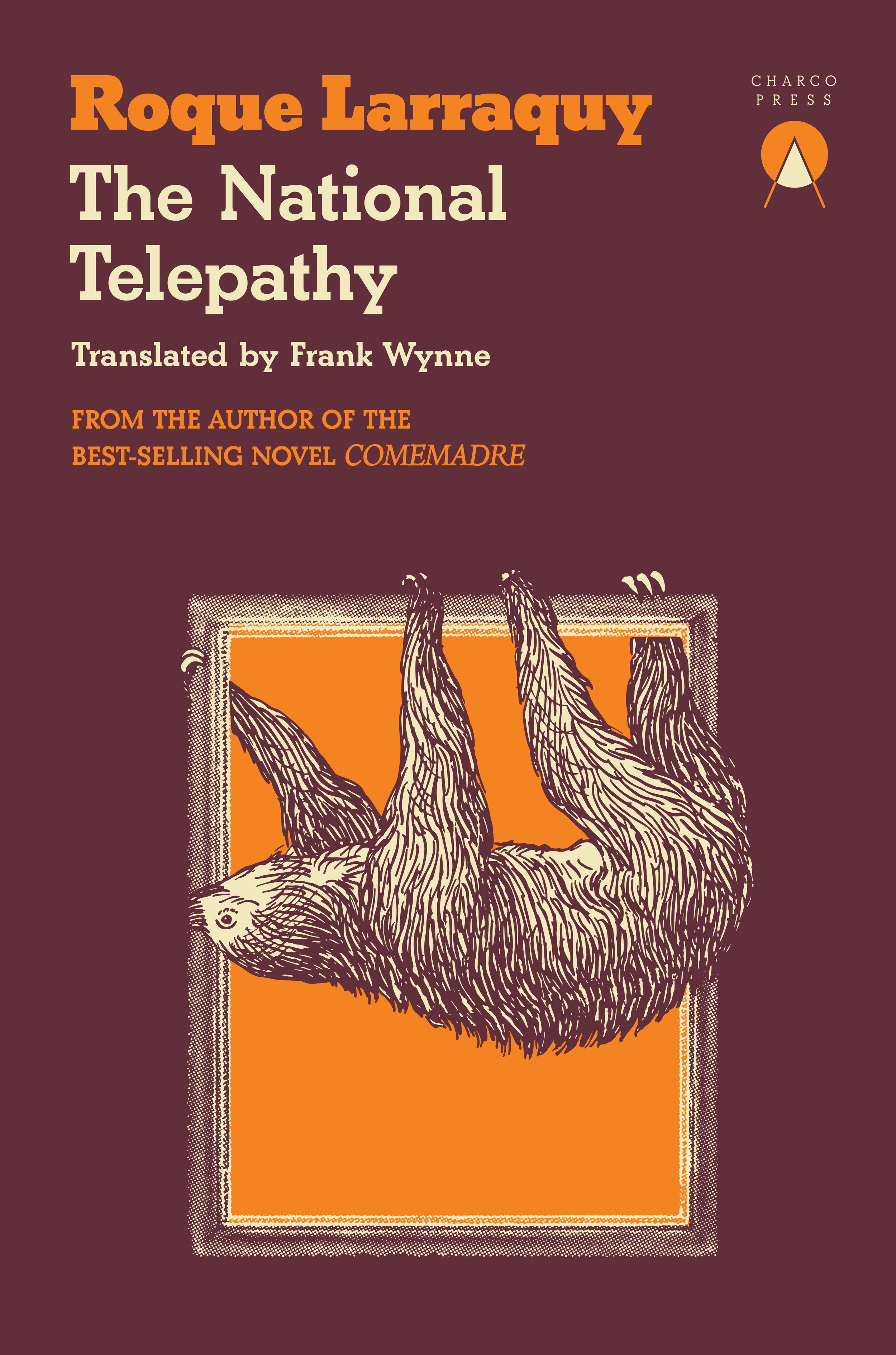
The National Telepathy
Roque Larraquy
2ameoba left a rating...
This book was a book club pick, and I was a little nervous going into it since it’s not something I would have picked up on my own.
At its core, The National Telepathy is a strange little novel that blends elements of historical fiction and sci-fi, and touches on themes such as colonialism, racism, and politics. The story begins in 1933 Buenos Aires, when a group of Indigenous people from the Amazon is brought to the city to be used in an Ethnographic Theme Park. Along with them comes a mysterious box containing a sloth with a strange power. From there, the discovery of this sloth becomes entangled with the government’s corruption and its desire for control.
At first I thought the book's focus point would be racism and colonization. Especially because at the beginning it was page after page of prejudice and exploitation of the Indigenous people. But by the end, the focus shifted, and the book became more of a political commentary on corruption. The way the Indigenous people are treated early on in the book shows how the people in power will reduce cultures to objects they can control. And later, the sloth and telepathy are treated the same way. Something sacred and mysterious becomes just another resource for the state to use for its own benefit.
One of my biggest issues with the book was the writing style. I absolutely hated it. The chapters felt like they went on forever, and the way scenes, thoughts, and sentences were structured often felt disorienting. This was the same problem I had with Comemadre as well, so maybe I’m just not clicking with the author’s style. Also a little side note to mention, is that the synopsis (and some of the reviews I’ve read) mentioned the book’s humour, but I didn’t find anything funny. If humor was meant to be there, it didn’t land for me.
Another thing that didn’t work for me and what I found strange was the inclusion of sexual scenes and explicit descriptions of people’s genitalia. In my opinion, they didn’t add anything to the plot or the story. They weren’t shocking or disturbing, they were just there, which made me question their purpose. I guess they were meant to make the reader uncomfortable, but it was just unnecessary.
I’d say the book can be split into four big sections. The first part was the hardest to get through, since I was still getting used to the writing style, and I honestly thought we would never get to the point of the story (or the sloth). As I mentioned earlier, it was also just pute racism, which as I understand it, was a way to show the mindset of the time period and of the characters. There is a moment in the book, where it seems like our main character (if we can even call him a main character) seems to begin to question his beliefs about Indigenous people. But in the end his audacity and sense of superiority never goes away, and he never becomes more self-aware or a better person. Thinking back, that was actually the point, since it showed how the mindset of colonialism doesn’t vanish, it just adapts to benefit those in a place of power.
The second part of the book was definitely the most interesting part for me. It finally felt like we were getting into the thick of the story and closer to the sci-fi elements. However, it was a very short section, and it introduced a whole new element/idea (which I won’t mention to avoid spoilers) that left me more confused. I didn’t really understand its purpose or meaning, and i had to read those sections a second time I order for me to grasp some kind of a meaning.
The next section focused on Buenos Aires and Argentine politics at the time. While the subject itself was interesting, the way it was presented was very dry, since the style of the novel switched from "book like" to reading official documents. However, this switch in style actually plays a big part in delivering the meaning of the story, but at first it's hard to pick up on that, and it just leaves the reader confused.
With that being said, the final section deals with the aftermath of the sloth’s discovery and shows how the government is willing to exploit anything, even if it’s something sacred, for power and control. This was probably the clearest and most punchy part of the book, because it showed exactly how authority operates when it finds something it can use to its advantage. And honestly? It just proves that corruption isn’t a glitch in the system. It is the system.
At the end I rated The National Telepathy two stars. It’s not a book that left a long lasting impression on me. It’s not something I find myself thinking about long after finishing it, and it didn’t provoke that lingering feeling I usually hope for from books like this.
0ameoba finished a book
The National Telepathy
Roque Larraquy
2