
mesozoic_mess
she/her Failed Gardener, Ascendant Clowner Fantasy is great, but I also take a bite out of non-fiction more often than not.
521 points



mesozoic_mess TBR'd a book

Monstrilio
Gerardo Sámano Córdova
 0
0mesozoic_mess commented on a post
mesozoic_mess wrote a review...
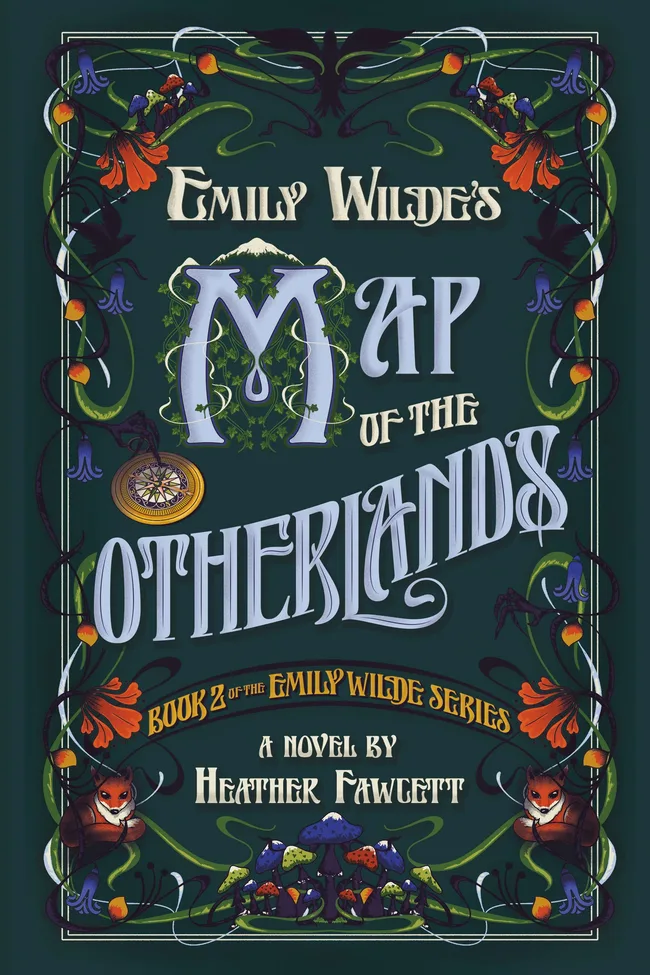
Did I enjoy this second installment in the series? Yes! Did I enjoy it as much as the first novel? No. Will I still continue on with the series? Yes 🙂↕️
While I found the Map installment less engaging in terms of side-characters and setting than Encyclopedia, I still really loved spending time in the dazzling and dangerous world of the Folk that Heather Fawcett has created!
I feel that the side characters were less complex in Map, or at least, the story-beats didn't set them up to have their individual strengths and struggles pay-off as interestingly as I would have liked. Particularly, Emily's relationship with her niece felt a little flat, bordering on predictable? However, it was satisfying to see Emily and Wendell's romantic relationship deepen in this book—many sassy exchanges punctuated by some tender moments.
Also, the setting of a village in the Swiss Alps—or rather how it was presented—wasn't as engaging to me as the island village of Hrafnsvik was? Encyclopedia felt incredibly atmospheric and the isolation of the island really permeated the narrative; although Map had the characters plodding across the mountain terrain much more often (in search of a faerie door) the landscape didn't feel especially important to the story by comparison (like, I feel it could have taken place in any village and still have read much the same?). This is a pretty subjective thing to nit-pick, I will admit, but I feel it's a helpful expectation to have going into the second book after coming off of the first.
Despite those missteps, this is still a fun read that expands the lore set-forth in the first book while seeing Emily work her way through new challenges, both emotional and magical. If you loved Encyclopedia then Maps should fill that Folk-shaped-hole (or perhaps doorway?) to satisfaction!
0mesozoic_mess commented on mesozoic_mess's update
mesozoic_mess is interested in reading...
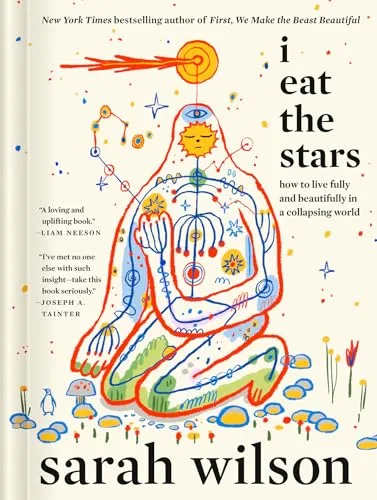
I Eat the Stars: How to Live Fully and Beautifully in a Collapsing World
Sarah Wilson
0mesozoic_mess commented on a post

mesozoic_mess TBR'd a book
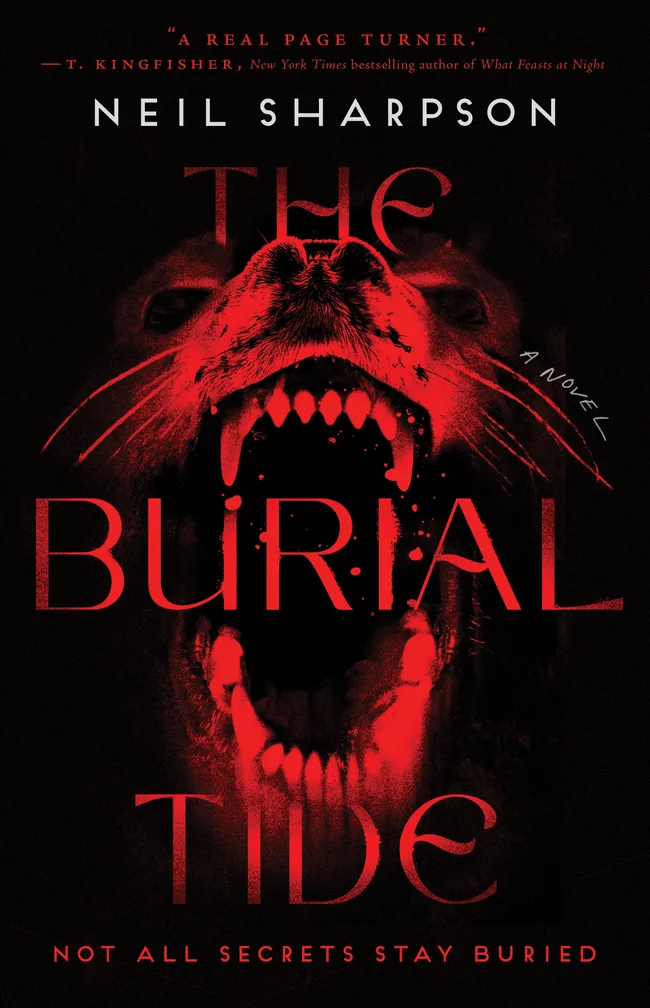
The Burial Tide
Neil Sharpson
0mesozoic_mess made progress on...
The Serviceberry: Abundance and Reciprocity in the Natural World
Robin Wall Kimmerer
0mesozoic_mess started reading...
The Serviceberry: Abundance and Reciprocity in the Natural World
Robin Wall Kimmerer
0mesozoic_mess TBR'd a book

Japanese Gothic
Kylie Lee Baker
0mesozoic_mess TBR'd a book
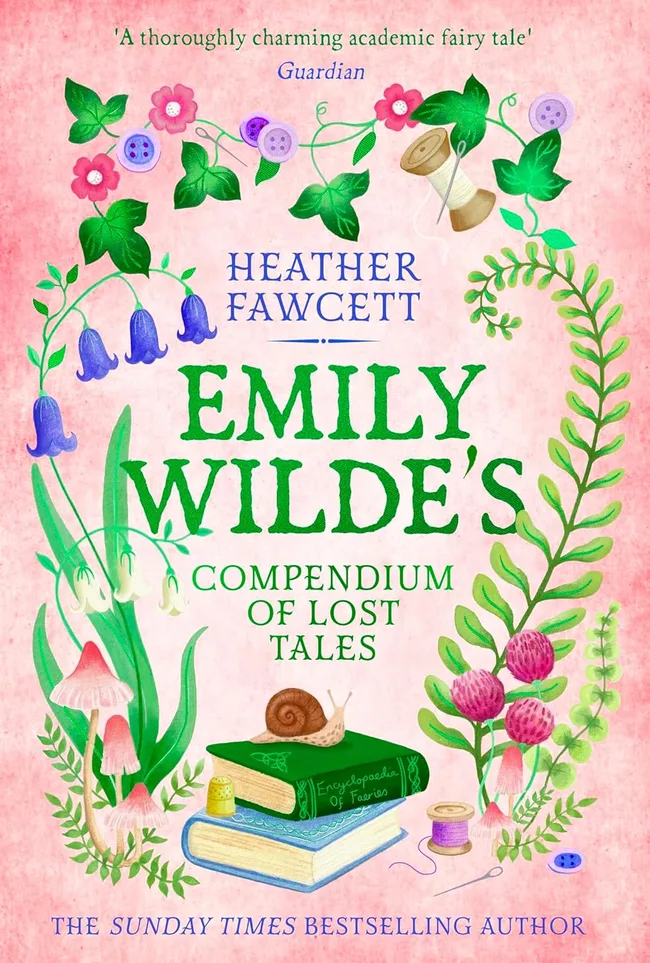
Emily Wilde's Compendium of Lost Tales (Emily Wilde, #3)
Heather Fawcett
0mesozoic_mess is interested in reading...
Bury Our Bones in the Midnight Soil
Victoria Schwab
0mesozoic_mess finished a book
Emily Wilde’s Map of the Otherlands (Emily Wilde, #2)
Heather Fawcett
0mesozoic_mess commented on a post
mesozoic_mess TBR'd a book

The Haunting of Hill House
Shirley Jackson
0mesozoic_mess made progress on...
Emily Wilde’s Map of the Otherlands (Emily Wilde, #2)
Heather Fawcett
0mesozoic_mess TBR'd a book
Wanted! Mountain Cedars Dead and Alive
Elizabeth McGreevy
0mesozoic_mess TBR'd a book

Disabled Upon Arrival: Eugenics, Immigration, and the Construction of Race and Disability
Jay Timothy Dolmage
0mesozoic_mess wrote a review...
Judith Butler aptly asks not just who is afraid of gender but also why and seeks to unravel the all too often contradictory arguments these types of people make in narrow-minded and destructive efforts to enforce the white cis patriarchal heteronormative status-quo.
Butler's writing is thorough, well-researched, and approaches this personal and expansive matter from many angles. Butler draws from examples around the world from the US to Argentina, from China to Kenya, to better show how the battle to self-identify and declare one's own gender and sexual orientation without fear is affected by the bigoted "phantasmal" rhetoric that has been rising on the global stage. I especially enjoyed the chapters discussing how whichever language we use to describe our experiences around gender and sexuality is inherently limited and is prone to cross-lingual misunderstandings—which is something I've never considered before, but is glaringly obvious in hindsight.
Butler doesn't get into how to shake people out of phantasmal thinking—that's beyond the point they're making with this book. But they do stress the importance of solidarity in this book's final chapters—whether that's building solidarity in communities you're already a part of or creating broader coalitions—as a means to look after each other and preserve our shared future from fascist tides. For me as a cis woman, I found Butler's words helped me better understand the framework for the massive, yet fluid, cultural inertia that comes with the concept and lived reality of gender and just how revolutionary trans, enby, intersex, and queer people and activists are in challenging these ever-present structures in our lives.
0