
pugs4thugs
if it's not a thirller or insightful nonfiction book, i don't want it.
467 points


![Heaven Official’s Blessing [天官赐福]](https://images-na.ssl-images-amazon.com/images/S/compressed.photo.goodreads.com/books/1551802602i/44283411.jpg)


Post from the Maladies of Empire: How Colonialism, Slavery, and War Transformed Medicine forum
“While this line of thinking continued throughout the eighteenth and nineteenth centuries…the abolition of slavery should have ushered in a movement to dismantle these rationales.”
This, being about the thought that Africans are biologically inferior (and different) to Europeans.
Is this book being incredibly naive on purpose? This book really continues to shy away from the fact that imperialists were/are far from well-intentioned. It’s getting irritating.
 0
0Post from the Maladies of Empire: How Colonialism, Slavery, and War Transformed Medicine forum
“the work of women reformers during the Civil War unwittingly created a Trojan horse that enabled physicians to codify racist understandings of Black people and in so doing reverse the advances of epidemiology”
Not even Downs believes this was “unwittingly”…I hope.
0Post from the Maladies of Empire: How Colonialism, Slavery, and War Transformed Medicine forum
Reading this introduction while simultaneously rereading In The Wake is certainly something!
0pugs4thugs started reading...
Maladies of Empire: How Colonialism, Slavery, and War Transformed Medicine
Jim Downs
0pugs4thugs wrote a review...

View spoiler
0pugs4thugs finished a book
The Dead Husband Cookbook
Danielle Valentine
0Post from the The Dead Husband Cookbook forum
Post from the The Dead Husband Cookbook forum
pugs4thugs started reading...
The Dead Husband Cookbook
Danielle Valentine
0pugs4thugs TBR'd a book
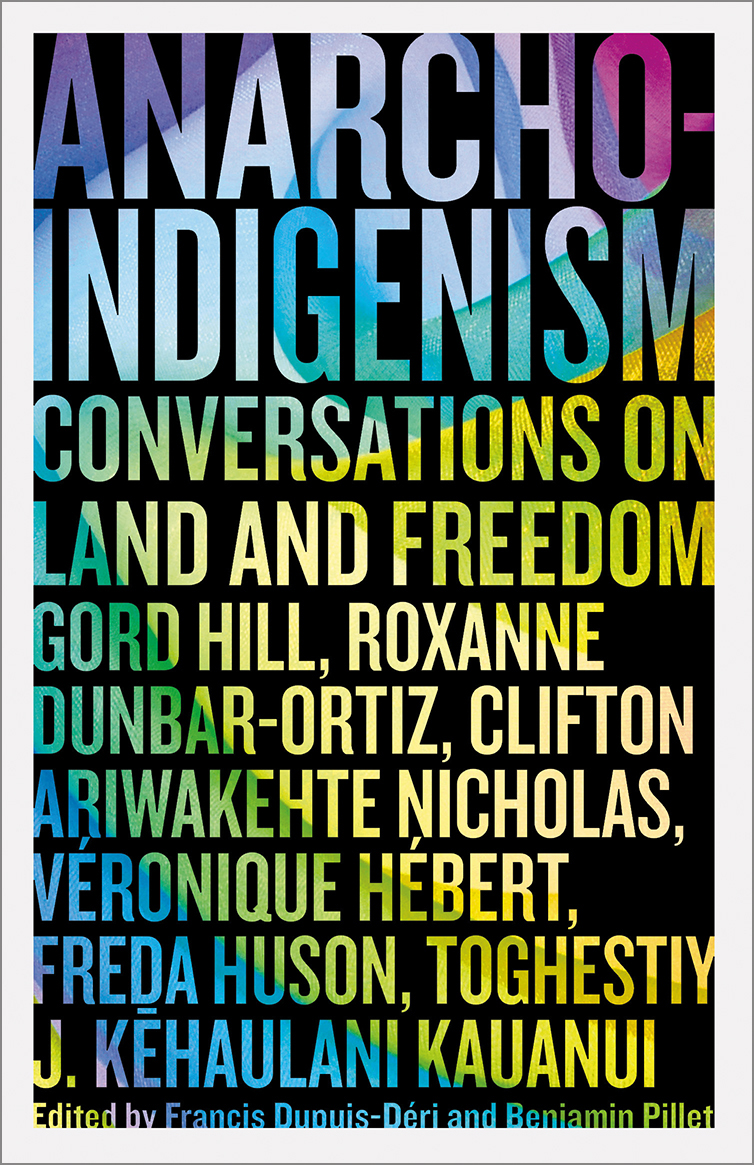
Anarcho-Indigenism: Conversations on Land and Freedom
Francis Dupuis-Déri
0pugs4thugs commented on a post
Using “rest in power” for Oscar Wilde just pissed me off immensely. That is a phrase created by and reserved for Black people, and I would’ve hoped that an author as seemingly well-read and well-versed as Lewis would know better. It might seem like a small thing to anyone reading this forum post, but it’s not. I suppose this is in line with the general whiteness of this book. And while the whiteness is called out it’s never analyzed or dissected. Probably because that would threaten the author’s own position. I can’t say I’m surprised. But I’m still disappointed.
4pugs4thugs wrote a review...
I must admit, I’m disappointed. I mean, this book wasn’t bad. Its overview of these different kinds of enemy feminisms is valuable and illuminating. I generally agree with most of what Lewis writes. I think this book certainly helps one understand that, first of all, there are different feminisms, not just one Feminism, and then also that they need to practice discernment to understand whether whoever they are speaking to truly aligns with their values, views, and beliefs or not. I think it’s also good for pointing out reactionary tendencies.
However, my biggest issue with this book is how overwhelmingly white it is, even as it tries not to be by its shallow understanding that the enemy feminisms it describes are products of whiteness to some degree. And I also kept getting the sense that despite saying the contrary (kind of), Lewis finds patriarchy, capitalism, and capitalist relations to be more problematic (that is the origin point of other issues) than racism. I mean, at one point she did say that she believes “racism is a patriarchal form of feminism”, which I disagree with. That Lewis can arrive to this conclusion is indicative of her positioning as a white woman who has not sufficiently deconstructed her own whiteness, in my opinion. They both are ideologies and subjugations meant to uplift one group at the expense of the other, but while patriarchal feminism might use racism as a tool, racism is also what allows for it to exist in the first place given the antiBlackness that undergirds global society and how Blackness is how these capitalist gender markers are able to define themselves because those markers are truly only afforded to the white and white-aligned.
Reading the conclusion was honestly the final nail in the coffin for this book, I fear. Lewis muses on what an alternative western feminism could be. I’d hoped that, given the extensive research undergirding this book, she would have come to the conclusion that I have—there was never going to be an alternative. Because feminism is not ready to interrogate, dissect, and ultimately eliminate the markers and basic politics that undergird it. For true liberation, all markers of Humanity, including gender/sex, must go, at least in my opinion. This book never takes the opportunity to come from a lens that doesn’t privilege whiteness. It talks about white feminists, it cites primarily white feminists, it is written by a white feminist…even if Lewis clearly understands that most/all (all in my opinion, most seemingly in hers) that these enemy feminisms are all racist, there is never that moment of “why”. There is never an interrogation of what feminism without whiteness looks like. There is never a moment of understanding that the socially understood and accepted definition of “woman” is a product of whiteness. Perhaps this is implicitly understood by Lewis, but it is never made explicit for the purpose of analysis.
I also disagree with Lewis’s assertion that most feminism was not for cisness. Or, well, it depends on what feminism we’re discussing. For me, feminism immediately signifies a legitimization of these gender and sex markers which means a legitimization of whiteness and white supremacy, and even if not those, then undoubtedly a legitimization of Humanism or Human supremacy. That is the thing that holds us back from liberation. And to be clear, Humanism is not separate from global antiBlackness, they’re just about the same thing. This book makes no mention of either of these things (and in fact performs microaggressions and cultural theft), and so I know that it does not go far enough for me.
I also find it troubling that despite the multiple passing mentions of “decolonial feminism”, indigenous feminisms are never given even an indication of acknowledgement. Black feminisms are right behind them in invisibility. I don’t find I like this. I also really do not at all like Lewis’s attitude towards decolonial pessimism that comes from feminists and theorists of color. It’s a small moment in the conclusion but it infuriates me, because it’s just so egotistical in my opinion. Oh, she “welcomes” “moments” of “tetchy” decolonial pessimism?? Are you being serious right now? As a white woman, she needs to have several seats and she needs to have them now. Calling a personal expression of a woman of color’s anger at white feminist imperialists “tetchy” is disrespectful, and implying that she can only handle these feelings in “moments” (implying they are not always pessimistic) is quite audacious. The conclusion of this book truthfully soured me on the entire thing. Disappointing.
0pugs4thugs finished a book
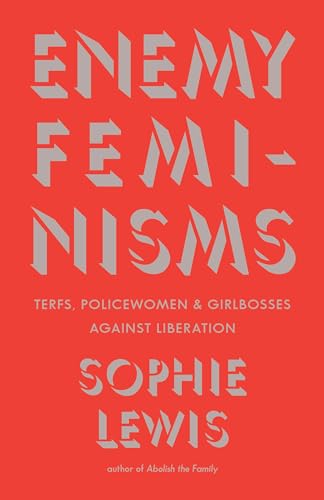
Enemy Feminisms: TERFs, Policewomen, and Girlbosses Against Liberation
Sophie Lewis
0pugs4thugs completed their yearly reading goal of 15 books!
pugs4thugs's 2026 Reading Challenge
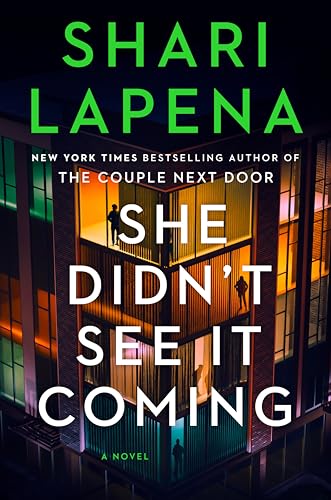

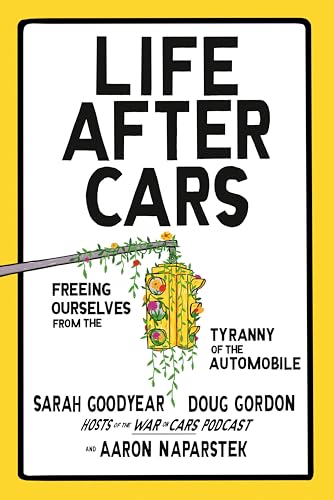
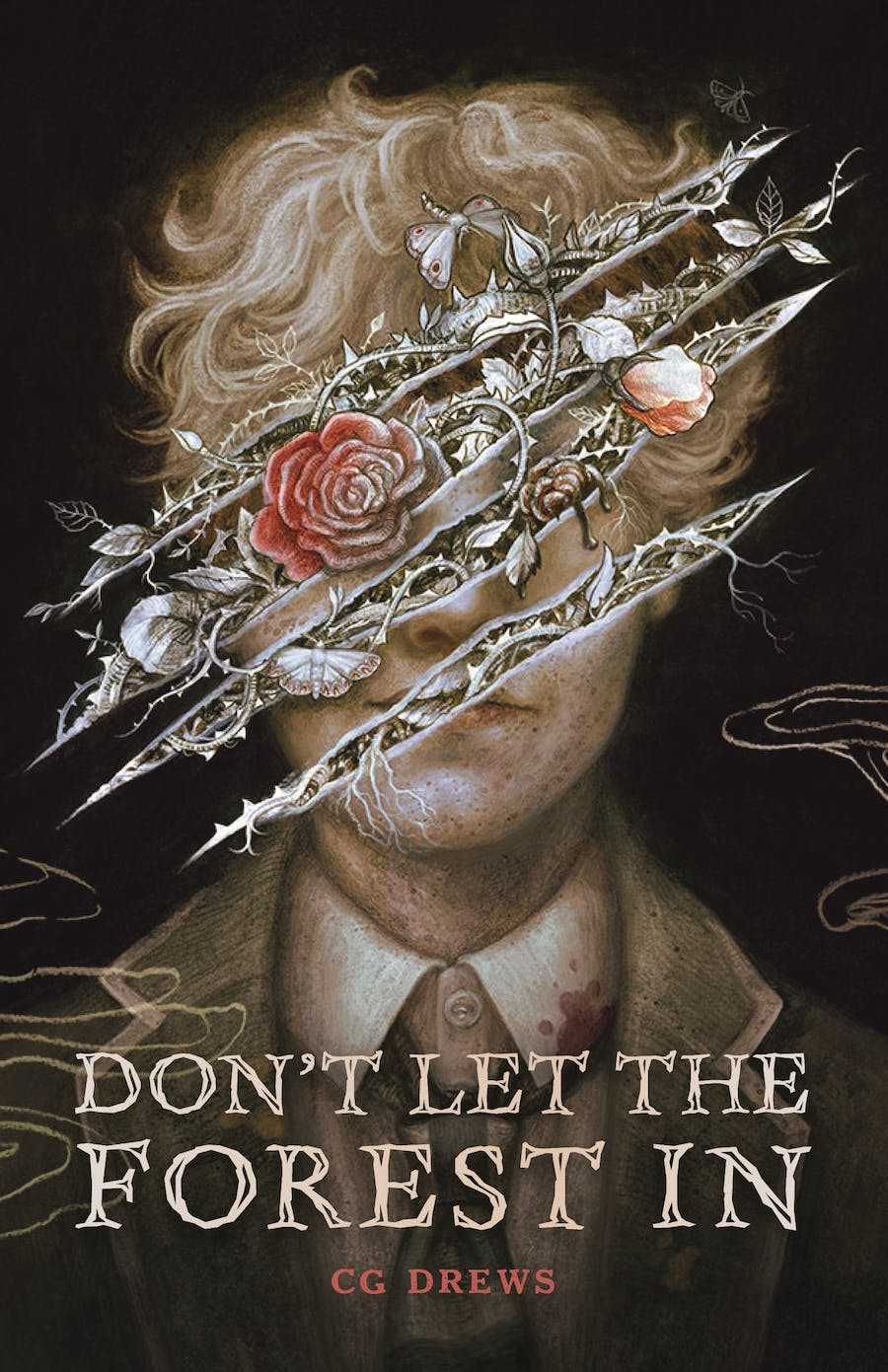
 0
0Post from the Enemy Feminisms: TERFs, Policewomen, and Girlbosses Against Liberation forum
I don’t really find this discussion of Karla Jay’s words about Marsha P. Johnson very cute. I also don’t like that Lewis didn’t think to mention that Johnson was Black. Her “magnanimity” takes on a very different meaning when you consider how she was Black and Jay was white. And Jay positioning her as this forgiving, sage woman, as well as Lewis positioning this interaction between Jay and Johnson as evident of solidarity between working-class cis and trans women is…ill-advised at best. The unsaid power dynamics at play played far greater of a role than whatever weak solidarity is being hinted at here, in my opinion. Maybe I’m just a cynic. But I’m wary, and I feel justified in my wariness considering, again, how white this book is and the missteps it has already made in regard to even discussing Black people at all.
0Post from the Enemy Feminisms: TERFs, Policewomen, and Girlbosses Against Liberation forum
Using “rest in power” for Oscar Wilde just pissed me off immensely. That is a phrase created by and reserved for Black people, and I would’ve hoped that an author as seemingly well-read and well-versed as Lewis would know better. It might seem like a small thing to anyone reading this forum post, but it’s not. I suppose this is in line with the general whiteness of this book. And while the whiteness is called out it’s never analyzed or dissected. Probably because that would threaten the author’s own position. I can’t say I’m surprised. But I’m still disappointed.
4Post from the Enemy Feminisms: TERFs, Policewomen, and Girlbosses Against Liberation forum
I’m suddenly thinking of how I wish this book would delve into more global feminisms. Because we’re simply looking at the U.S. and UK and sometimes a few other western European countries and that’s really it. And while some of the enemy feminisms identified in this book could be found in other feminist movements and politics around the world, I don’t like the thought of taking this western examples and generalizing for the world.
I also think that in the end, what unites all enemy feminisms is just the idea of punching down. Of wanting whatever exploitation or subjugation faced by your respective group to be reserved for another specific group. It’s all about positioning oneself and one’s in group as above or superior to another group.
0Post from the Enemy Feminisms: TERFs, Policewomen, and Girlbosses Against Liberation forum
“I want to say that racism is a patriarchal form of feminism”
I disagree. I agree that they are both about establishing supremacy for me not for thee, but that is because they both fall under human supremacy and so are forms of ascribing the human marker to certain groups and not others. To say that racism falls under feminism is also troubled, imo, by the role that women play in the other isms, especially racism, which this book itself points out so I don’t really understand why this author is making this framing.
0Post from the Enemy Feminisms: TERFs, Policewomen, and Girlbosses Against Liberation forum
Ah, the Cyborg Manifesto, I remember reading that years ago, for a very different purpose than what this book is using it for. Although it’s interesting, because this discussion of non-being reminds me much of afropessimism. But different.
0pugs4thugs commented on a post
Going to hope that Lewis discusses how Black people are excluded from the definitions of womanhood and femininity. Black women will never be the prototypical women, and Black women are not truly considered women, not at a most basic, visceral level, because of the arbitrary nature of gender, as it is defined in mainstream, western society anyhow.
2