
avatarPagebound Royalty Badge

rozaliaboma

🇵🇱🇳🇬 | writing romances | current ship obsession - Nick x Judy from Zootopia 2 | in the words of my favourite youtuber: give me two M&Ms, and I'll be like 'oh they're in love'

1131 points

0% overlap
Classics Starter Pack Vol I
Iconic Series
Rick Riordanverse
Pagebound Royalty
Winter 2026 Readalong
Level 4
My Taste
The New Jim Crow: Mass Incarceration in the Age of Colorblindness
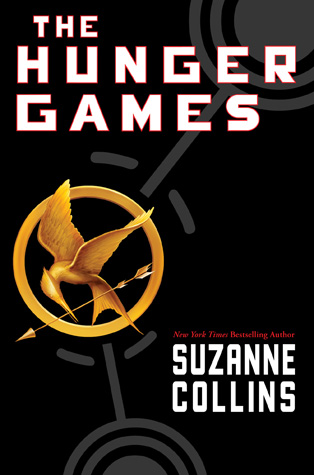
The Hunger Games (The Hunger Games, #1)
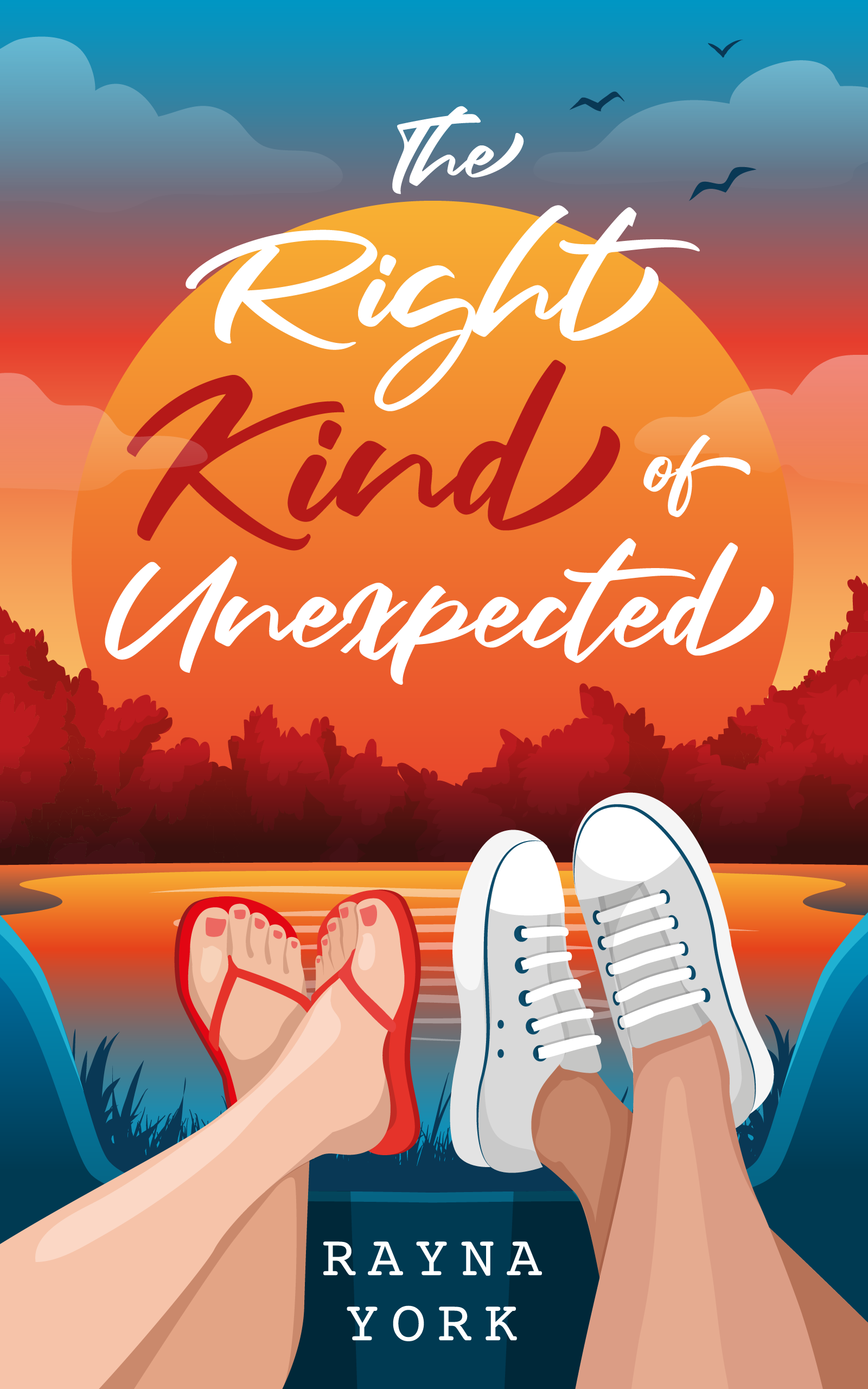
People We Meet on Vacation
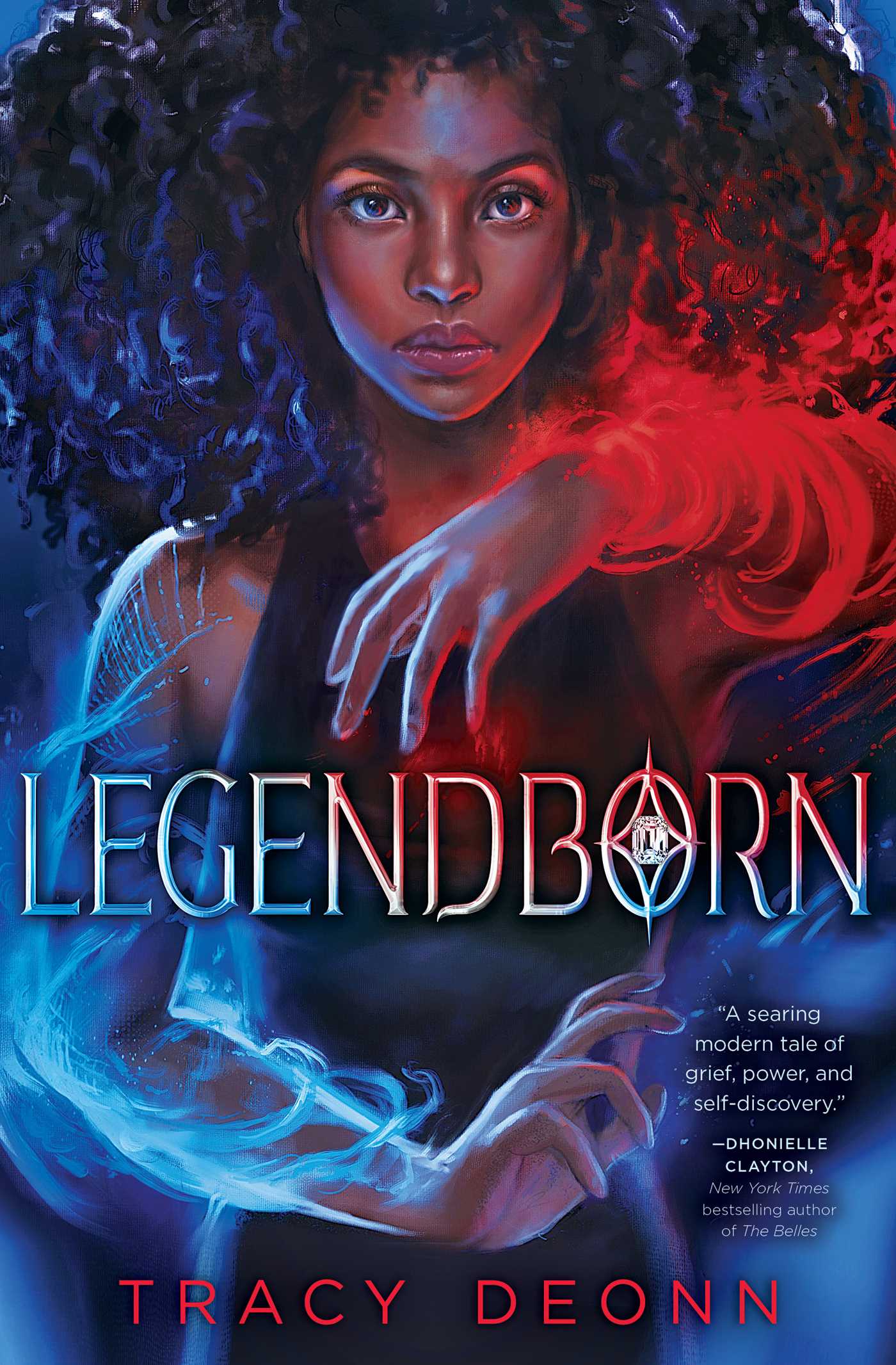
Legendborn (The Legendborn Cycle, #1)
The Mysterious Affair at Styles (Hercule Poirot, #1)
Reading...
Tokyo ExpressFoul Heart Huntsman (Foul Lady Fortune, #2)

rozaliaboma commented on a post

4h
  • A Game of Thrones (A Song of Ice and Fire, #1)
    Thoughts from 27% (page 209)

    I can already tell this series is going to be a great read. A part of me can’t help but be sad that GRRM still hasn’t finished/released the final book. My theory is that the final book would end just as the show did and due to the backlash the show received, he’s afraid to release the book 💀

    8
    comments 2
    Reply
  • rozaliaboma commented on a post

    21h
  • The Murder of Roger Ackroyd (Hercule Poirot, #4)
    Thoughts from 100%
    spoilers

    View spoiler

    13
    comments 9
    Reply
  • rozaliaboma commented on a post

    1d
  • Frankenstein
    All the interpretations I found about the meaning of Frankenstein pt. II

    Part I was posted earlier today!

    Disability - disability is a social construct

    Historical context Jaundiced skin was a fearful shorthand for infectious diseases and illness in 19th century - yellow fever epidemics were widespread. Physiognomy was a popular belief at the time that it was possible to assess person’s character based on their appearance.

    The Creature is clearly a visibly disabled figure with yellowish skin, and society ostracises him due to his body. It shows the social model of disability, where society creates disability through barriers and prejudice rather than the body being inherently deficient. The Creature’s tragedy comes from never being seen as human, and how misrecognition can inflict harm. Over the course of the novel, the Creature suffers immense psychological oppression— shame, self-loathing, and social isolation– in the face of persistent misrecognition. The Monster can only become monstrous after being continually rejected by society and denied the recognition it craved.

    The moment when the Creature is shot by the family of the girl it just saved from drowning, people have drawn links to the US police shootings of disabled people. Magdiel Sanches was shot dead in 2017 when he was holding a pipe mistaken for a gun. Magdiel couldn’t hear the shouts to drop the weapon because he was deaf. In 2016, police murdered Charles Kinsey, the therapist of an autistic man named Arnaldo Rios-Soto, after mistaking his toy truck for a weapon. Police claimed Rios-Soto, not Kinsey, was the target. The murders and the shooting of the Creature raise the discussion of policing people who move differently from how we expect normative bodies to move, or communicate in ways that the majority doesn’t use. Also the inherent suspicion of people who do not have normative bodies and don’t behave in normative ways.

    Marxism - Victor as both working class and upper class symbol

    Historical context The Industrial Revolution started in 1760, and Shelley wrote Frankenstein in 1816. At that point, Shelley had seen: a steam engine created, a spinning mule, a wool-combing machine, the first successful cotton mill factory, the first railway journey, and the first large-scale riot protesting the new machinery and working conditions. In 1812, Parliament passed a law making the destruction of industrial machines punishable by death.

    So the most popular reading of Frankenstein from a class perspective sees Victor as the bourgeois, exploitative class, and the Creature as the labour-exploited class. It’s a story between workers and those who control the forces of production. The Creature suffers the misery of the alienated labourer. It’s much larger and more powerful than Victor, but incapable of producing anything without him. Victor created Creature from disparate body parts, mirroring the industrial process of commodifying human labour. He creates the working class, yet he denies it agency and humanity. Victor’s ambition to transcend natural limits mirrors the capitalist drive for endless accumulation, often at the expense of human welfare.

    Victor’s loss of control over the Creature symbolises the bourgeoisie's oppression, leading the proletariat to unite. Creature tells Victor, “Slave, I before reasoned with you, but you have proved yourself unworthy of my condescension. Remember that I have the power... You are my creator, but I am your master;-obey!” Once the proletariat class recognizes that it controls its ruler, it can fight to force the bourgeoisie to experience the same suffering and agony. The Creature does this when it begins its revenge.

    The family Creature learns from is uninterested in the source of their benefactions when the worker who provides them remains unseen. But as soon as the Creature comes visible, it is cast out completely. The Creature can thus be read, both as product and worker, as an embodiment of production, and its treatment shows the 19th-century need for labourers, yet desire to treat them as invisible, magical beings or machines. The monster, like the proletariat, is forced to live poorly and rely on himself, despite his creator, the bourgeois, possessing the means to provide the monster with basic human needs.

    On the other side, Victor can also be seen as the worker and Creature as his labour. Marx writes “the worker puts his life into the objects. The externalisation of the worker in his product implies not only that his labour becomes an object, an exterior existence but also that it exists opposite him, that the life he has lent the object affronts him, hostile and alien.” Victor works himself to the bone and is alienated from the rest of society to create the output he feels compelled to. -honestly if you want to learn more about it, you need to research it because I did not understand this reading fully and cannot explain it.

    Environmentalism - climate change as a monster of our own creation

    Historical context In her preface to the 1831 edition, Shelley comments that the summer of 1816 in Geneva was memorably unpleasant - constant rain, floods, the whole gang (including Lord Byron and Percy Shelley) was confined to their house. Shelley wouldn’t have been aware of it, but the weather that summer was caused by the 1815 eruption of the Tambora volcano in Indonesia. The eruption pumped massive quantities of sulphur into the atmosphere, radically cooling the Northern Hemisphere. In essence, people living between 1815 and 1816 experienced an extreme, miniature global climate change event. This caused violent storms and flooding in Europe.

    The Creature in the environmental reading of Frankenstein is climate change, the Anthropocene age that humans created irresponsibly, artificially, against the laws of nature. This now comes back to haunt us and eventually has the power to kill us if we continue to act irresponsibly toward it.

    Victor’s ultimate moral flaw was not in surpassing nature’s bounds or creating a hybrid being, but in disregarding his responsibility toward his creation—a fundamentally environmental issue. We, like Victor, are heedless of the consequences of climate change that we “created.” → Climate Disaster, Ecoanxiety, and Frankenstein: Mount Tambora and Its Aftereffects by Taylin Nelson


    Artificial Intelligence/Social Media/Internet is a big topic now related to the book; maybe I’ll do another post on it sometime.

    I didn’t do any research on feminism beyond Victor being a deadbeat dad, because honestly, that one sentence was enough lol.

    30
    comments 3
    Reply
  • Post from the Frankenstein forum

    1d
  • Frankenstein
    All the interpretations I found about the meaning of Frankenstein pt. II

    Part I was posted earlier today!

    Disability - disability is a social construct

    Historical context Jaundiced skin was a fearful shorthand for infectious diseases and illness in 19th century - yellow fever epidemics were widespread. Physiognomy was a popular belief at the time that it was possible to assess person’s character based on their appearance.

    The Creature is clearly a visibly disabled figure with yellowish skin, and society ostracises him due to his body. It shows the social model of disability, where society creates disability through barriers and prejudice rather than the body being inherently deficient. The Creature’s tragedy comes from never being seen as human, and how misrecognition can inflict harm. Over the course of the novel, the Creature suffers immense psychological oppression— shame, self-loathing, and social isolation– in the face of persistent misrecognition. The Monster can only become monstrous after being continually rejected by society and denied the recognition it craved.

    The moment when the Creature is shot by the family of the girl it just saved from drowning, people have drawn links to the US police shootings of disabled people. Magdiel Sanches was shot dead in 2017 when he was holding a pipe mistaken for a gun. Magdiel couldn’t hear the shouts to drop the weapon because he was deaf. In 2016, police murdered Charles Kinsey, the therapist of an autistic man named Arnaldo Rios-Soto, after mistaking his toy truck for a weapon. Police claimed Rios-Soto, not Kinsey, was the target. The murders and the shooting of the Creature raise the discussion of policing people who move differently from how we expect normative bodies to move, or communicate in ways that the majority doesn’t use. Also the inherent suspicion of people who do not have normative bodies and don’t behave in normative ways.

    Marxism - Victor as both working class and upper class symbol

    Historical context The Industrial Revolution started in 1760, and Shelley wrote Frankenstein in 1816. At that point, Shelley had seen: a steam engine created, a spinning mule, a wool-combing machine, the first successful cotton mill factory, the first railway journey, and the first large-scale riot protesting the new machinery and working conditions. In 1812, Parliament passed a law making the destruction of industrial machines punishable by death.

    So the most popular reading of Frankenstein from a class perspective sees Victor as the bourgeois, exploitative class, and the Creature as the labour-exploited class. It’s a story between workers and those who control the forces of production. The Creature suffers the misery of the alienated labourer. It’s much larger and more powerful than Victor, but incapable of producing anything without him. Victor created Creature from disparate body parts, mirroring the industrial process of commodifying human labour. He creates the working class, yet he denies it agency and humanity. Victor’s ambition to transcend natural limits mirrors the capitalist drive for endless accumulation, often at the expense of human welfare.

    Victor’s loss of control over the Creature symbolises the bourgeoisie's oppression, leading the proletariat to unite. Creature tells Victor, “Slave, I before reasoned with you, but you have proved yourself unworthy of my condescension. Remember that I have the power... You are my creator, but I am your master;-obey!” Once the proletariat class recognizes that it controls its ruler, it can fight to force the bourgeoisie to experience the same suffering and agony. The Creature does this when it begins its revenge.

    The family Creature learns from is uninterested in the source of their benefactions when the worker who provides them remains unseen. But as soon as the Creature comes visible, it is cast out completely. The Creature can thus be read, both as product and worker, as an embodiment of production, and its treatment shows the 19th-century need for labourers, yet desire to treat them as invisible, magical beings or machines. The monster, like the proletariat, is forced to live poorly and rely on himself, despite his creator, the bourgeois, possessing the means to provide the monster with basic human needs.

    On the other side, Victor can also be seen as the worker and Creature as his labour. Marx writes “the worker puts his life into the objects. The externalisation of the worker in his product implies not only that his labour becomes an object, an exterior existence but also that it exists opposite him, that the life he has lent the object affronts him, hostile and alien.” Victor works himself to the bone and is alienated from the rest of society to create the output he feels compelled to. -honestly if you want to learn more about it, you need to research it because I did not understand this reading fully and cannot explain it.

    Environmentalism - climate change as a monster of our own creation

    Historical context In her preface to the 1831 edition, Shelley comments that the summer of 1816 in Geneva was memorably unpleasant - constant rain, floods, the whole gang (including Lord Byron and Percy Shelley) was confined to their house. Shelley wouldn’t have been aware of it, but the weather that summer was caused by the 1815 eruption of the Tambora volcano in Indonesia. The eruption pumped massive quantities of sulphur into the atmosphere, radically cooling the Northern Hemisphere. In essence, people living between 1815 and 1816 experienced an extreme, miniature global climate change event. This caused violent storms and flooding in Europe.

    The Creature in the environmental reading of Frankenstein is climate change, the Anthropocene age that humans created irresponsibly, artificially, against the laws of nature. This now comes back to haunt us and eventually has the power to kill us if we continue to act irresponsibly toward it.

    Victor’s ultimate moral flaw was not in surpassing nature’s bounds or creating a hybrid being, but in disregarding his responsibility toward his creation—a fundamentally environmental issue. We, like Victor, are heedless of the consequences of climate change that we “created.” → Climate Disaster, Ecoanxiety, and Frankenstein: Mount Tambora and Its Aftereffects by Taylin Nelson


    Artificial Intelligence/Social Media/Internet is a big topic now related to the book; maybe I’ll do another post on it sometime.

    I didn’t do any research on feminism beyond Victor being a deadbeat dad, because honestly, that one sentence was enough lol.

    30
    comments 3
    Reply
  • Post from the Frankenstein forum

    1d
  • Frankenstein
    All the interpretations I found about the meaning of Frankenstein pt. I

    I recently did a post here asking for everyone's takes on what Frankenstein is about. Sadly, I only got one comment, so I thought I'd do my own research. Here's pt. I

    Queer - parable of repressed queerness and being transgender

    Historical context Mary Shelley is speculated to have been bisexual. She was also friends with Lord Byron, a famous bisexual, and she was married to Percy Shelley, who is speculated to have been queer. Being gay carried a death sentence in England at the time she was alive, and Lord Byron fled England with one of the reasons being rumours about him having relationships with men.

    Most of Frankenstein's discourse focuses on the father-son relationship between Victor and the Creature. A queer reading recontexualises it as a relationship between a man and his repressed homosexuality. Victor pursues the creation of life (maybe by extension - procreation) without the aid of the female body. He turns heterosexual sex as something unnecessary. However, once he manages this non-heterosexual sex act, he’s immediately disgusted, prompting him to reject his creation, a metaphor for internalised homophobia. The Creature acts as a symbol of Victor’s sexuality - it hunts him, pursues him, he’s unable to escape it until the day he dies.

    Another reading is that the Creature is a metaphor for transgender identity. The Creature laments being made of “horrid contrasts.” He represents body dysmorphia, where the body is alien and treacherous. However, the body is only evil because of the judgment of other people rather than internal immorality.

    “The transsexual body is an unnatural body. It is flesh torn apart and sewn together again in a shape other than that in which it was born. I will say this as bluntly as I know how: I am a transsexual, and therefore I am a monster.” Susan Stryker (”My Words to Victor Frankestein Above the Village of Chamounix: Performing Transgender Rage”).

    Race and Ethnicity - the black slave and dangerous Other

    Historical context Both Mary and Percy wanted to see an end to slavery. They abstained from using sugar as a form of protest to distance themselves from the goods of the Atlantic slave trade.

    In this reading, Creature is a different race, running amok and threatening the safety of Europeans. It’s a stand-in for European anxieties about slave revolts and enslaved people who made their way into Europe.

    Frankenstein is physically contrasted with a yellow-skinned Creature who he immediately deems inferior based on his appearance (while the Creature is supposed to be beautiful, there’s still something uncanny about it). Frankestein creates the Creature by extracting it from a its natural homeland (graves, cemeteries?) and bringing it into subservience in a foreign land of Europe. Walton describes Creature in the book as “savage inhabitant of some undiscovered land”. It plays on the fear that the slaves will invade the civilised society in search of revenge. Alternatively, that they will demand independence and acknowledgment of their place in society.

    Like the enslaved person, the Creature is denied control and fulfillment in sexuality. Slave families were routinely broken up, reproduction was controlled, marriage and parenting was rarely permitted. Victor refuses to create a partner for the Creature because “a race of devils would be propagated on the earth, who might make the very existence of the species of man a condition precarious and full of terror.” Further beyond slavery, it touches on eugenics and forced sterilisation of Black Americans as well as 2020s concerns about the diminishing white population in comparison to non-white people worldwide.

    I haven’t read Frankenstein in ages, so I’ll have to re-read it in that way, but just remembering bits and pieces, watching the recent film, and getting some passages from the Internet, I can see the Creature as a story of mixed race child, specifically a child of a white slaver and an enslaved woman. The lack of the mother, the abusive father, who is partly in awe, partly in disgust for his son. The son’s need to get recognition for being human from his father. In a way, it’s very reminiscent of Heathcliff’s story in Wuthering Heights.

    21
    comments 2
    Reply
  • rozaliaboma commented on a post

    1d
  • Wuthering Heights
    Chapter 12

    Guys iam giving up 😭 I just don't understand enough and the story is so sloww

    9
    comments 7
    Reply
  • rozaliaboma commented on a post

    1d
  • Little Women
    Thoughts from 14% (page 54)

    So far I love it so much! Such happy girls, such everyday problems 🥰 I'm going to love this family and the home that this book will provide me 🥰

    13
    comments 2
    Reply
  • rozaliaboma commented on a post

    2d
  • The Thursday Murder Club (Thursday Murder Club, #1)
    I’m so mad at the film ending
    spoilers

    View spoiler

    14
    comments 2
    Reply
  • The Thursday Murder Club (Thursday Murder Club, #1)
    I’m so mad at the film ending
    spoilers

    View spoiler

    14
    comments 2
    Reply
  • rozaliaboma commented on a post

    2d
  • Oathbound (The Legendborn Cycle, #3)
    Thoughts from 53%
    spoilers

    View spoiler

    4
    comments 2
    Reply
  • rozaliaboma TBR'd a book

    2d
    A Caribbean Heiress in Paris (Las Leonas, #1)

    A Caribbean Heiress in Paris (Las Leonas, #1)

    Adriana Herrera

    0
    0
    Reply

    rozaliaboma TBR'd a book

    2d
    Winter Dreams and the Invincible Summer

    Winter Dreams and the Invincible Summer

    Maggie Tiojakin

    1
    0
    Reply