
rozaliaboma10
writing YA BIPOC romances | current ship obsession - Nick x Judy from Zootopia 2 | in the words of my favourite youtuber: give me two M&Ms, and I'll be like 'oh they're in love'
449 points






Post from the Pagebound Club forum
Yesterday, I heard the best critique of white feminism, boiled down to two sentences: “They don’t want equality. They want the power to oppress.”
Any recommendations for fiction books with a similar message? Fantasy would be cool, but anything will do as long as it’s fiction! I’ve read enough non-fiction on white feminism to last a lifetime.
(Babel and Yellowface are clear examples but I’ve read them both.)
 1
1Post from the The Duke and I (Bridgertons, #1) forum
Post from the Oathbound (The Legendborn Cycle, #3) forum

rozaliaboma10 commented on a post

rozaliaboma10 submitted a feature request
1Monthly challenge
In addition to the yearly challenge, also have a monthly reading challenge and a monthly wrap up. Would be cool!
rozaliaboma10 commented on a post
Post from the Twilight (The Twilight Saga, #1) forum
rozaliaboma10 commented on a post
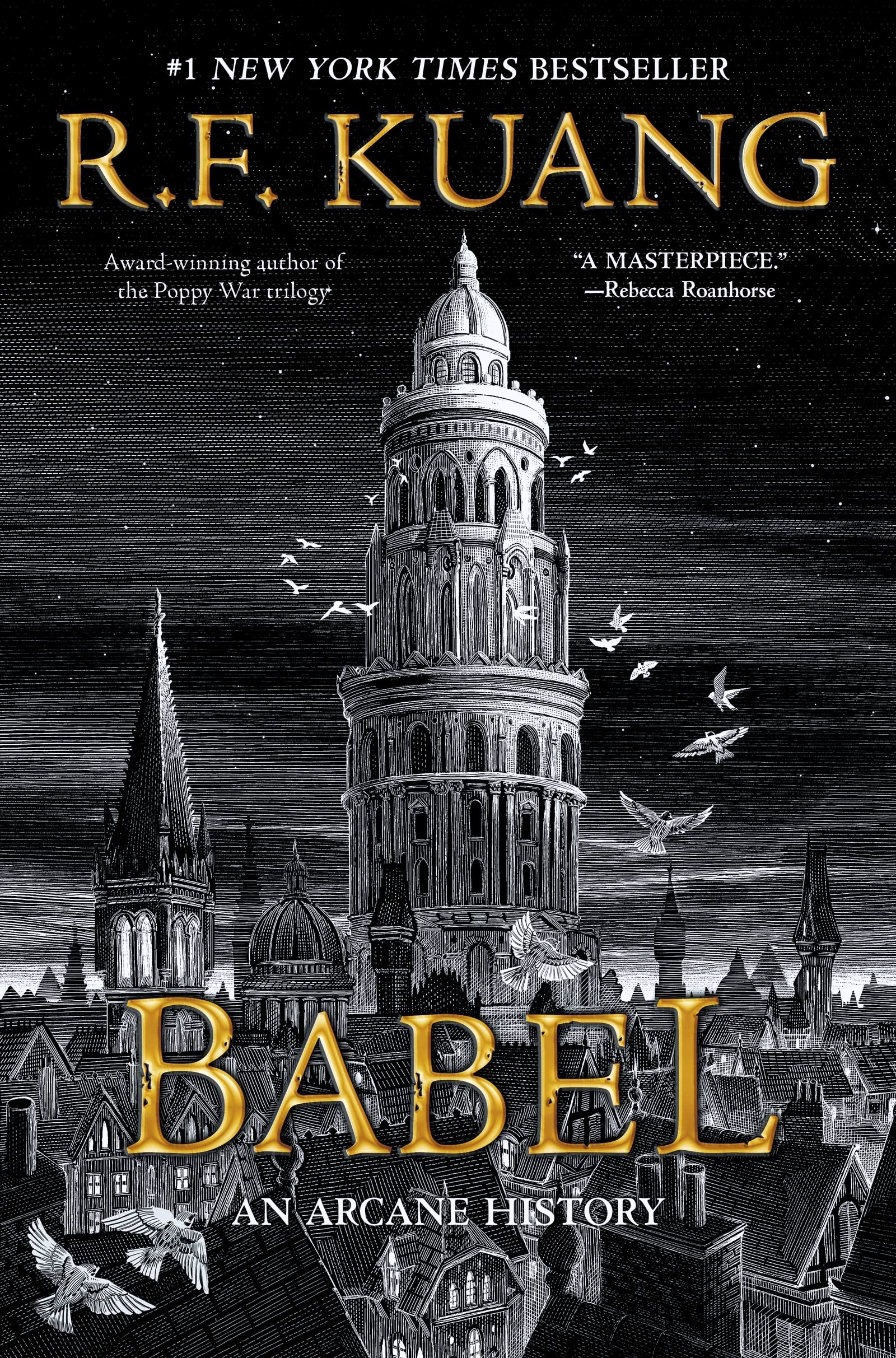
A prominent criticism of R.F. Kuang is that she's very didactic in her writing, that it lacks subtlety, and she hammers down the message of "white people are evil 'cause they exploit non-white people through colonialism and imperialism."
On the opposite side, we have Suzanne Collins, who's praised for her subtlety and universality in her themes of oppression in the Hunger Games trilogy. [SPOILER FOR THE HUNGER GAMES BELOW]
However, because her themes are so subtle, you get into the infamous situation - where after the film was released and Rue was played by a black actress (she's described in the book to have dark skin so good casting), white people went on Twitter and said things like "when I found out Rue was black her death wasn't as sad".
And I love Hunger Games and its themes, but I cannot ignore the fact of WHY this particular book became so popular. It's because Suzanne Collins was so subtle, she managed to create a book about oppression where white people could cosplay as oppressed and ignore the fact that most of the Hunger Games events have happened to people in real life, and these people nine out of ten times were not white. Unfortunately, it's oppression porn for white people.
And you know, Kuang may not be subtle, she may hammer down the point, but at least in Babel, there's no way for the oppressor to make the mistake of thinking they're the oppressed.
9Post from the The Second Chance Convenience Store forum

rozaliaboma10 started reading...
The Duke and I (Bridgertons, #1)
Julia Quinn
0rozaliaboma10 TBR'd a book
Don Quixote
Miguel de Cervantes Saavedra
0rozaliaboma10 TBR'd a book
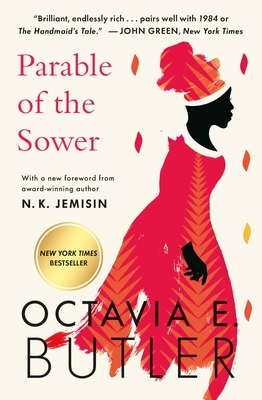
Parable of the Sower (Earthseed, #1)
Octavia E. Butler
0rozaliaboma10 TBR'd a book
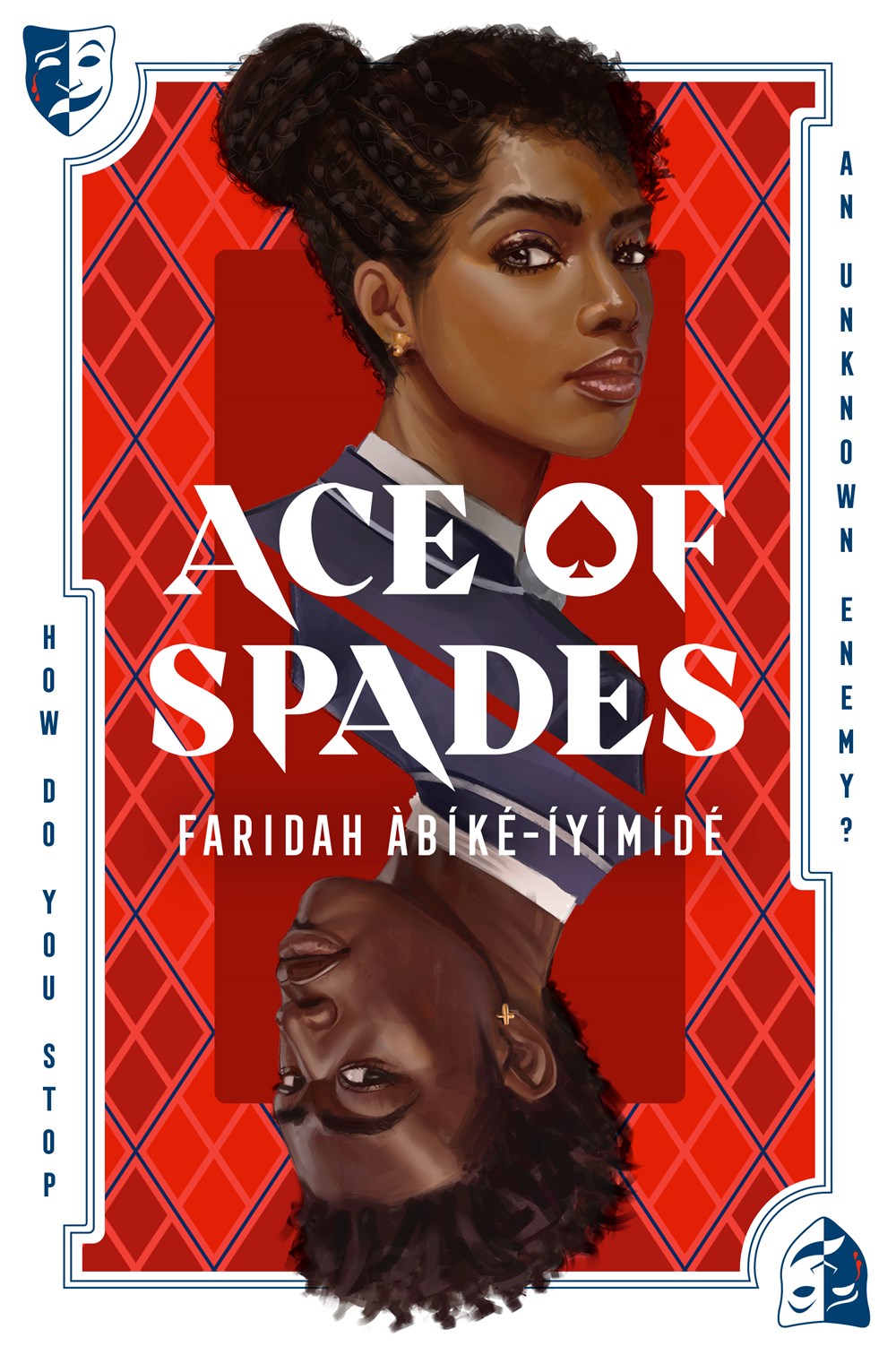
Ace of Spades
Faridah Àbíké-Íyímídé
0rozaliaboma10 finished reading and left a rating...
This is my introduction to cozy Korean slice-of-life, and while I'm happy I expanded my tastes and read a new genre, I know this is definitely not for me. I was mostly bored.
One thing that I really liked, it's that it's a good book to read right before bed. You don't need a lot of brainpower to follow the story. Writing is simple and descriptive. It almost felt like scrolling on your phone before bed, but without the blue light and constant ads everywhere.
The "plot" that was described on the back of the book was literally just one chapter.
The beginning was interesting, but the middle of the book was basically just the same chapter over and over with a different character. Every problem they had was solved by the main character in exactly the same way. Some of these people also struggled with serious problems, like alcoholism or not being able to communicate with their children, but the way the main character Dokgo helps them solve the issues so easily in a few pages, really minimises the severity of those issues.
I thought that while the ending was interesting, it was a stark contrast to the rest of the book, and it was quite dark, which doesn't really fit with the cozy nature of the book. And again, it minimised a very serious issue in Korea.
I also didn't like that COVID-19 was incorporated into the book.
0