
sievish
183 points



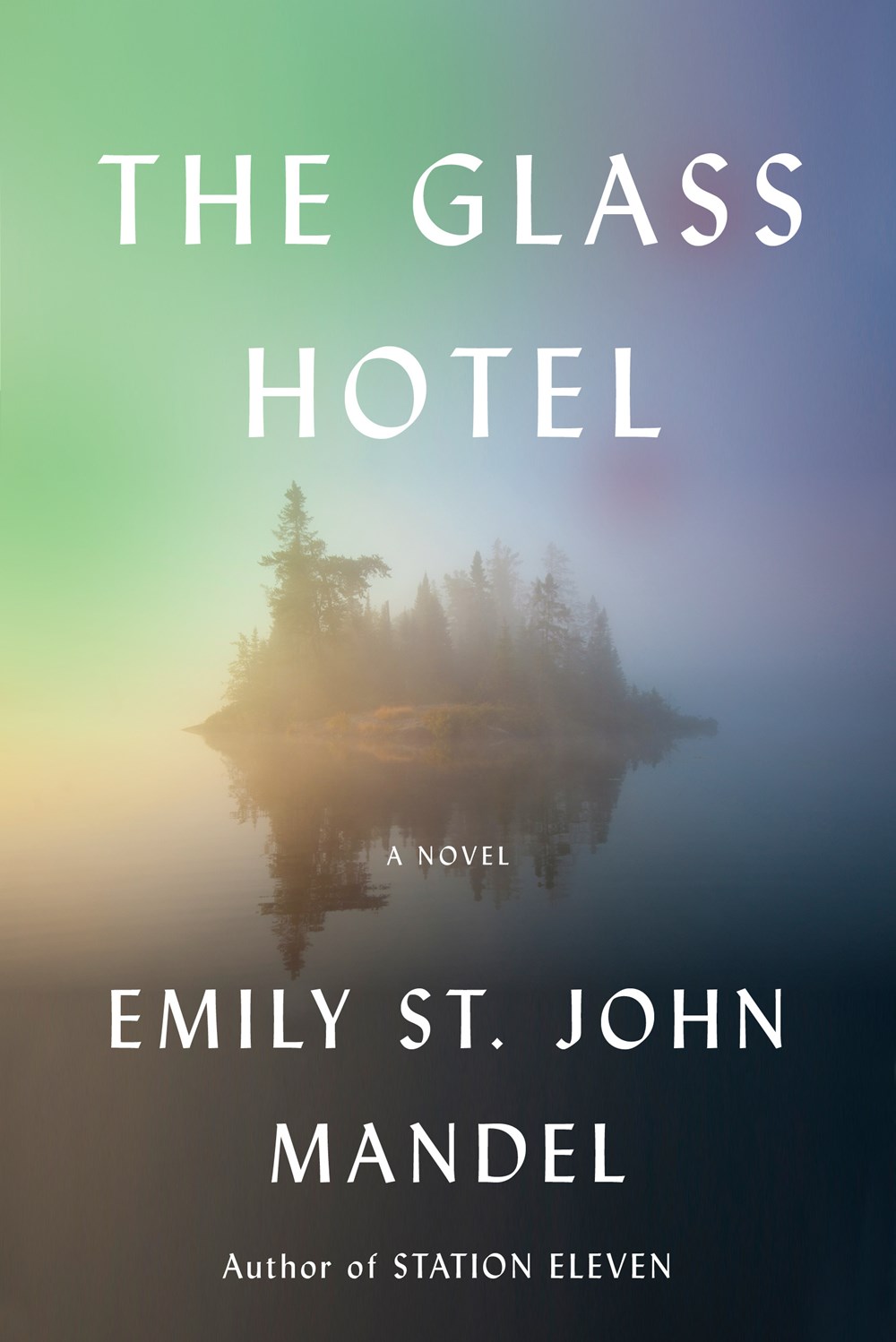
Post from the The Glass Hotel forum
Emily St John Mandel does this thing where she gets you very familiar with a character’s depths, gets you really aware of why they are how they are, then writes a POV chapter of different character clocking them as vapid/empty/shallow.
Just here, Olivia meets Vincent and declares her as unserious and boring. Basically an NPC to her. But we just got done with several chapters of knowing Vincent intimately and that Olivia’s perception of her could not be more wrong.
It happens in Station Eleven as well. It’s really interesting.
I think we forget how often we see other humans as, essentially, NPCs. But everyone has an inner world. Everyone is just like you, with a just as involved life of feelings.
 1
1sievish started reading...
The Glass Hotel
Emily St. John Mandel
0sievish finished a book
Station Eleven
Emily St. John Mandel
0sievish wrote a review...

View spoiler
0sievish wrote a review...

Really enjoyed this book. At the beginning I was pretty confused because of all the names to keep track of-- first with the family members, but also the sprawling cast of related figures both from the history of Schizophrenia and extended family/relatives and friends.
That said, I think the intensive exploration into setting scenes around every person involved was imperative to truly get the full picture of what this family has been through. It's hard to fully grasp the societal shift between now and then-- even now, there is indeed stigma around mental illness and schizophrenia specifically, but without having been there, it's all too easy to lay ignorant blame in the wrong places without knowing the entire context. I felt an intense amount of empathy for everyone in this story, even as I was horrified by some of their actions, and I think that that is imperative for learning about such a complicated topic. I felt that the book as a whole did a great job of pointing out the various injustices and blindspots within the system that so deeply failed this family without overly aggressive finger pointing or wagging, which, honestly, would have been justified. It feels human-- a very naturalistic-feeling approach to storycraft.
On the other hand, if I had one criticism of this book, it would be that I don't think the amount of time spent on personal grievances between the sisters was fully necessary. If I had to assume, I'd say the purpose of having all of it in there was to show just how the family dynamic continues to affect the surviving siblings, how no one is truly perfect or copes the same way.
to be clear, I do not blame Lindsay for any of her feelings or actions. They're fully valid, as are Margaret's. I think I just wish those "scenes" were treated with a bit more tact, because while the book's existance at all could be seen as an intrusion into the entire family's lives, those scenes felt deeply awkward and out of place without a bit more commentary/guidance/structured prose. These specific scenes at the end just felt like a journalist sitting down with Lindsay to copy down her personal gripes targetted at a specific sibling and it felt gross. And I have to stress, I truly do not hold this against Lindsay at all. It's so severely understandable how she feels and why she feels and how she got to that point. Even as I hate to see such a strong connection between sisters get severed, I understand it, and I can't blame her. My criticism is fully with how the author rendered this section.
I point this out because the rest of the book didn't feel like this, even as it revealed the terrible traumas inflicted by and on every sibling. I somehow walked away from this story realizing the devastation of schizophrenia, but simultaneously feeling less "scared" of it, if that makes sense. How terrifying it must have been to live in such a violent household, and yet, it was clear that that violence was happening due to such a toxic combination of systematic, societal, parental, and community failings. A perfect storm with no easy singular entity to blame. The final scenes with Lindsay felt different because it rendered a giant finger pointing at Margaret and her perceived failings according to Lindsay; it just felt strangely unfair after the rest of the book seemed to take enormous efforts to be thoughtful about the painfully intricate and complicated HUMANNESS of the entire saga. It didn't feel like Margaret's reaction to a life of trauma was justified with the same care as Lindsay's. We understand at the end why Lindsay is overbearing and tries to guilt trip her neurotypical family members to help their sick family members. But Margaret is never given that grace or justification; she's criticized as woo-woo and unreflective in Lindsay's eyes. It feels like even John, who spent more time separating himself from the family unit as a whole, got more understanding from the narrative than Margaret did, simply because of the way the narrative aligns primarily with Lindsay.
I do not blame Margaret for distancing herself from Lindsay, who I know she had such a powerful bond with at various stages throughout their lives. I don't blame John for distancing himself either. That's what healing is for some people. Lindsay copes by being present and caring for the surviving sick brothers. Margaret does not. It isn't selfish nor is it cruel, it is sometimes extremely necessary. Neither path is the "correct" one but the narrative feels like it's siding with Lindsay even if that wasn't the intention.
A lot to say and think about this book, but I don't want to ramble more than I already have. Suffice it to say it will stick with me for a long while.
0sievish finished a book

Thirteen Perfect Fugitives: The True Story of the Mob, Murder, and the World's Largest Art Heist
Geoffrey Kelly
0Post from the Thirteen Perfect Fugitives: The True Story of the Mob, Murder, and the World's Largest Art Heist forum
"Not since Jimmy Durante recounted the tale of the Big W before literally kicking the bucket has there been such a disparate group of amateur sleuths searching for buried treasure.
If it's so fucking easy, you go find them."
these are the last two sentences of Chapter 33. I am listening to the audiobook, which is narrated by the author himself, so you can truly hear the amount of bitterness and aggression in his voice with the delivery. I genuinely think if I had been reading it and not listening I might have taken this as the unprofessional joke of a retired man who doesn't need to care about decorum anymore, but hearing him say it himself, it genuinely just feels like pure bitter resentment.
I wish Geoffrey Kelly included just a bit less of himself in this story. He and his various interjections of the "good guys vs bad guys" false dichotomy are vapid additions to an otherwise enjoyable read.
0sievish made progress on...
Thirteen Perfect Fugitives: The True Story of the Mob, Murder, and the World's Largest Art Heist
Geoffrey Kelly
0sievish made progress on...
Thirteen Perfect Fugitives: The True Story of the Mob, Murder, and the World's Largest Art Heist
Geoffrey Kelly
0sievish finished a book
Hidden Valley Road: Inside the Mind of an American Family
Robert Kolker
0sievish started reading...
Thirteen Perfect Fugitives: The True Story of the Mob, Murder, and the World's Largest Art Heist
Geoffrey Kelly
0sievish started reading...
Hidden Valley Road: Inside the Mind of an American Family
Robert Kolker
0sievish wrote a review...
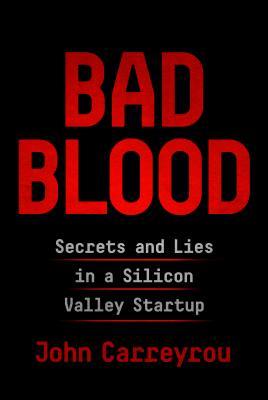
I love this book. I never get tired of Theranos and Elizabeth Holmes. I'm not really interested in any fictionalized versions of the story because as far as I'm concerned this is as entertaining and intriguing as it gets.
the way Carreyrou writes can be quite accessible and even Dramatic, like watching a show, and I don't mean that in a bad way at all. As I was reading (and listening, on audiobook) I couldn't help but feel like the Holmes & Fuisz family rivalry felt akin to Game of Thrones, or the Wars of the Roses-- humans truly never change, and this our modern version of fuedalist leaders taking each other down for both real and imagined slights.
this is genuinely the story of our time-- it should have been a wake up call for all of us on how capitalism, corporate culture, and technology come together to incentivize the billionaire class to treat laws and human rights as optional. It is a cult, and it is no better rendered than what happened with Theranos.
I partially listened to the audiobook and, I must say: I do not understand Will Damron/Books On Tape's creative decision to give every Elizabeth Holmes quote/scene a higher pitched, snooty and stereoptypical female voice, as I've noticed so many male audiobook readers do with so many women characters. If there was ever a woman to not use this affect, it was Elizabeth. To be clear I don't think he should have mimicked her, either, as I've never heard an impression of her that didn't sound agonizingly cringe, but I don't understand the voice he gave her either, it felt obnoxious and completely took me out of it. I think just reading the dialogue straight as he did with literally every man's voice would have been the better option.
0sievish is interested in reading...

Humankind: A Hopeful History
Rutger Bregman
0sievish is interested in reading...
Thirteen Perfect Fugitives: The True Story of the Mob, Murder, and the World's Largest Art Heist
Geoffrey Kelly
0sievish finished a book
Bad Blood: Secrets and Lies in a Silicon Valley Startup
John Carreyrou
0sievish finished a book
System Collapse (The Murderbot Diaries, #7)
Martha Wells
0sievish started reading...
System Collapse (The Murderbot Diaries, #7)
Martha Wells
0sievish finished a book
Network Effect (The Murderbot Diaries, #5)
Martha Wells
0