
Loyaute
I enjoy reading poetry, classics, queer litfic, and anything with an ocean setting. My current obsessions are Russian literature and Robin Hobb's Realm of the Elderlings series :)
28878 points






October 2026




— average · 180 reviews
Click a segment to filter
📱Ebook
"What is unbearable is already too much. How can there be more?"
I want to write a beautiful, eloquent review of this book, but I simply can't. How do you describe grief without grieving? How do you hold all the stars in your hands without burning yourself? How do you swallow an ocean without drowning?
It really does last forever. And then it's over. I am reminded of Anne Carson's The Glass Essay,
"You remember too much, my mother said to me recently.
Why hold onto all that? And I said, Where can I put it down?"
Where can I put this down?


I recently finished reading my last book for this quest and thought it might be helpful/fun to make a post about my experiences and provide recommendations for anyone interested! If you're a champion, completionist, or wanting to reach either of these badges, I'd love to hear your thoughts in the comments :) I'd also love to see similar posts from current and future quest participants!
(Note: the format of this post includes horizontal lines, bold text, italics, numbered lists, and bullet points. I know markdown doesn't always show up properly across devices, so apologies if it looks disorganized on your end!)
Here's a table of contents in case you want to jump around:
- My Reading Order
- My Recommended Reading Order for Completionists
- My Favorites
- Top Recommendations for Aspiring Champions
- About the Books
- Mini "Playlists"
- Info for the Badge Goblins
My Reading Order
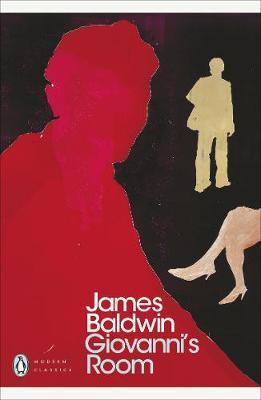
- Giovanni's Room
- Swimming in the Dark
- Maurice
- Edinburgh
- The South
- Blackouts
- The Prophets
- Memorial
- In the Absence of Men
- Young Mungo
- A Room Above a Shop
- Guapa
- Isaac
- The Lost Language of Cranes
- A Single Man
My Recommended Reading Order for Completionists (and why)
- Giovanni's Room (classic gay literature, essential for understanding how the telling of these stories has developed, lots of sources available for deeper analysis if you're feeling intimidated)
- In the Absence of Men (strong prose, historical setting, obviously not as influential as Baldwin but I still feel it's a sensible follow-up)
- Maurice (another classic, continue with the historical setting)
- Swimming in the Dark (moving to something more modern; this story directly references Giovanni's Room so I do think it is best to read that before this book, but I wish I had put some more space between them rather than one after the other, hence why I've placed this at #4)
- The Lost Language of Cranes (still in the 1980s, but a completely different culture and way of life; unique familial focus to expand the horizons you've been exploring thus far)
- Memorial (continue that familial theme but make it more contemporary)
- A Room Above a Shop (shift to older main characters, exclusively focusing on their relationship)
- A Single Man (I can't tell you why this fits after A Room Above a Shop but it works and I need you to trust me)
- Edinburgh (shift to a younger main character, follow his life and trauma; this one is a tough read emotionally but worth it imo)
- Young Mungo (continue focus on queer love as a young person; more about family and cultural expectations in this one)
- The Prophets (more traumatic young love, dense but beautiful prose, does not solely focus on the main character's romantic relationship)
- Blackouts (a breather after The Prophets; nothing much happens, slow and experimental story, unique compared to the other titles in this quest)
- The South (continuation of the atmosphere in Blackouts but with slightly more action)
- Isaac (shift to a more eventful story, still with a focus on a young main character)
- Guapa (perfect one to wrap it all up imo; great pacing, characters, etc. Pulls the good parts from every title in this quest and bundles them into a new story, brings the quest full circle)
I think going by publication order would be a good strategy as well, whether that be oldest to newest or vice versa. You really can't go wrong here---the above list is just what I think I would've enjoyed the most and what I feel others might benefit from if they're not sure where to begin! If you take anything from this section, let it be this: start with Giovanni's Room and end with Guapa!
My Favorites
- Edinburgh
- Guapa
- The Prophets
- Giovanni's Room
- In the Absence of Men
Top Recommendations for Aspiring Champions
In no particular order. I think these best represent the variety within the quest. Mix and match as you please :)
- Giovanni's Room
- Guapa
- The Prophets
- Young Mungo
- Blackouts
- Memorial
- Edinburgh
About the Books
This section includes a few sentences for each book about the topics it covers, my reading experience, and a suggestion for a non-quest book to read. (I haven't read every book I'm recommending here---I'm basing some of these recs off other people's suggestions, authors' writing styles, similar subject matter, etc. If you think any are misplaced or you have alternative recs you want to share, please feel free to drop a comment!)
- Giovanni's Room (1956): This book explores internalized homophobia, masculinity, loneliness, and so much more. I did not enjoy Giovanni's Room when I first read it, but I came to understand it on my second read and it is now one of my favorites that I reread annually. Baldwin's prose is dense but moving, with so many layers to explore. If you like this book, you might enjoy Bolla by Pajtim Statovci.
- Swimming in the Dark (2020): This is a moving tale of a young man's first love in 1980s Poland. I really enjoyed this story and remember recommending it to friends almost immediately upon starting it. The author writes about young love, duty, political divides, and growing up in a very compelling manner. If you enjoy this book, I would recommend reading Lie With Me by Philippe Besson.
- Maurice (1971): Maurice is unique in that it was published posthumously, though it was written in 1913/14. Its themes include love, internal and external homophobia, class, religion, and more. I enjoyed this book, but I feel I need to read it a second time to fully appreciate it. I've heard good recommendations for Alec by William di Canzio, which focuses on the character, Alec, introduced in Forster's novel.
- Edinburgh (2001): I feel this story is one of the toughest reads (emotionally) in this quest. It deals with intense themes of child sexual assault, self harm, and suicide. The book follows the main character from his childhood through to his adulthood, exploring the impact of his trauma on his life, identity, and relationships. This is not a book I would directly recommend to you unless I knew you personally, but it has really stuck with me and I feel it's worth reading if you know you can handle the subject matter. If emotionally heavy books like this are your style, I'd suggest reading Tin Man by Sarah Winman.
- The South (2025): I found this story to be quite atmospheric and gently written. It follows a teenage boy moving with his family to the farm they inherited and his summer spent with the farm manager's son. I thought the author balanced the exploration of family dynamics and young teenage longing very well. This is the first in a planned quarter and I'm looking forward to reading the next in the series. If you like this book, you might enjoy Muckle Flugga by Michael Pedersen.
- Blackouts (2023): I'm not entirely sure how to succinctly describe this book. It's weird but in a quiet way, uniquely blending fact and fiction. The story follows a young man and an elderly, dying man as they discuss their lives. I enjoyed this book because it is not focused on a romantic relationship like many of the others are. If you enjoy books that confuse you a bit, I'd definitely check this one out! If you end up liking it, you might also like Cages by Chantel Acevedo.
- The Prophets (2021): This is another emotionally tough book, in my opinion. The author explores the lives of slaves and slave owners on a plantation in the southern US, specifically highlighting a relationship between two teenage boys, as well as the enslaved women. The prose is stunning and the large cast of characters is written very well. If you like this book, I recommend reading As Meat Loves Salt by Maria McCann.
- Memorial (2020): Memorial is one of the more contemporary titles here, following two men whose relationship is deteriorating. This is another one that has a familial element to it. I wasn't a huge fan of this one, though I wouldn't say it was bad. Of all the books in the quest, it has stuck with me the least. If you like it, you might enjoy Mothers and Sons by Adam Haslett.
- In the Absence of Men (2001): I feel like this one is pretty divisive---you're either going to love it or hate it. Personally, I loved it. It follows a teenage boy exploring young love and also includes a character portrayal of Proust. The prose can be dense but I think it's strong overall. If you've read Besson before and liked his writing style, I'd give this one a shot---and if you like it, I recommend reading In Memoriam by Alice Winn.
- Young Mungo (2022): I'm trying so hard to not sound repetitive with these summaries but it's HARD y'all😅 Young Mungo is an interesting story set in Glasgow. I felt a bit let down by the romantic angle of the story, but I thought the cultural and family dynamics explored were strong. The author's writing wasn't my favorite (I found it a bit boring/monotonous), though I can certainly see why his works are so popular. If you enjoy this book, check out Open, Heaven by Seán Hewitt.
- A Room Above a Shop (2025): Like Young Mungo, the writing of this book fell short for me, but the idea was there. This is a fairly short story following two men living together in Wales. The emotions are subtle at first but really creep up on you by the end. I enjoyed this one and will be interested to see if the author publishes anything else in the future. If you like this, you might like How We Became Ourselves by Kevin Snell.
- Guapa (2016): Oh man, this is one of my absolute favorites from the quest. This book explores themes of friendship, love, belonging, grief, political violence, and more and more and more. It follows the main character over a span of 24 hours, after his grandmother catches him in bed with another man. It's brilliantly written and I still find myself thinking about it. A friend recommended me The Sunflower Boys by Sam Wachman for this one.
- Isaac (2024): This novel follows a 17y/o's exploration of sex and first love. Along with Memorial, this is one of my least favorites in the quest---predominantly because of the writing style. I just found it a bit boring and repetitive. I think the themes it explores are quite interesting, though, and still consider it worth checking out if you're interested! If you like it, you might like Deviants by Santanu Bhattacharya.
- The Lost Language of Cranes (1986): This book is also a bit boring but not in an unpleasant way. I specifically added it to the quest because of the unique family dynamics it explores (gay son, closeted father/husband, mother/wife trying to cope with it all), which made it worth the read for me. If you like doing deep character analyses, this is probably the perfect story for you; the author explores the characters' relationships and inner experiences very well. If you enjoy this book, you might like The Sparsholt Affair by Alan Hollinghurst.
- A Single Man (1964): This is one of the classics included in the quest and primarily explores one man's grief over the loss of his partner. I found Isherwood's writing intriguing but I feel I read this a bit too quickly to be able to truly appreciate it. I'm going to return to it some day and spend more time with it. If you like this book, check out Separate Rooms by Pier Vittorio Tondelli.
Mini "Playlists"
Some small groupings of titles that I think fit together in specific contexts :)
- Family ties: The South, The Prophets, Memorial, Young Mungo, Guapa, The Lost Language of Cranes, Isaac
- The classics: Giovanni's Room, Maurice, A Single Man
- Sweltering heat: The South, Blackouts, Guapa, In the Absence of Men
- The second read is better: Giovanni's Room, In the Absence of Men, The Prophets, Blackouts, Maurice
- Good audiobooks: The Prophets, Young Mungo, Memorial, The South
- An extra dose of tragedy: Edinburgh, The Prophets
- Nothing much happens: The South, Blackouts, A Room Above a Shop
- Complementary Pairs: Giovanni's Room + Swimming in the Dark; Maurice + In the Absence of Men; Young Mungo + Isaac; The South + The Lost Language of Cranes; A Single Man + A Room Above a Shop
Info for the Badge Goblins
At the time of posting, 5 of these books are represented in other quests across Pagebound:
- Giovanni's Room: Classic Literature from the United States, Achillean Across Genres, Quiet Novels
- Maurice: British & Irish Classic Literature, Achillean Across Genres
- Young Mungo: Tragic Love: Queer Edition
- The Prophets: Tragic Love: Queer Edition
- Memorial: Quiet Novels
[Posted 31 August 2026]

So do you think dragons would be ground poopers or are they pooping while flying? I think since they are somewhat bird-like they're pooping while flying.

© 2025 Pagebound
Loyaute commented...
Okay, from a biological standpoint, I think they'd poop on the ground. Birds don't have urinary bladders, and all their waste is excreted out of the same hole. Birds are also small, with a shorter digestive tract, and they require a lot of energy to fly---so they eat a lot and excrete waste a lot. Dragons, on the other hand, I imagine would be more like reptiles. They are very large, so they'd theoretically have a longer or differently complex digestive system. They'd still excrete waste from the same hole like birds and reptiles, but I don't think they'd do it while flying due to their size and energy requirements. I'd also imagine they'd eat a few very large meals rather than many small ones, so there wouldn't really be a need to poop while flying anyway (they wouldn't digest their food that fast). Maybe they don't even need to poop that often, like sloths! Perhaps smaller dragon species would evolve differently, though!
Edits: typos and some rewording for clarification; also I personally love the "air pooping as attack mechanism" argument