Willagracemore
87 points


Willagracemore is interested in reading...

Kindred
Octavia E. Butler
 0
0Willagracemore TBR'd a book
Fledgling
Octavia E. Butler
0Willagracemore is interested in reading...

Survivor
Octavia E. Butler
0Willagracemore is interested in reading...
Dawn (Xenogenesis, #1)
Octavia E. Butler
0Willagracemore TBR'd a book
Parable of the Sower (Earthseed, #1)
Octavia E. Butler
0Willagracemore joined a quest
Octavia Butler's Afro-Futuristic World 💫🌑🧬
💎 // 767 joined
Not Joined

All of her groundbreaking works, exploring themes of Afrofuturism, power, and survival.
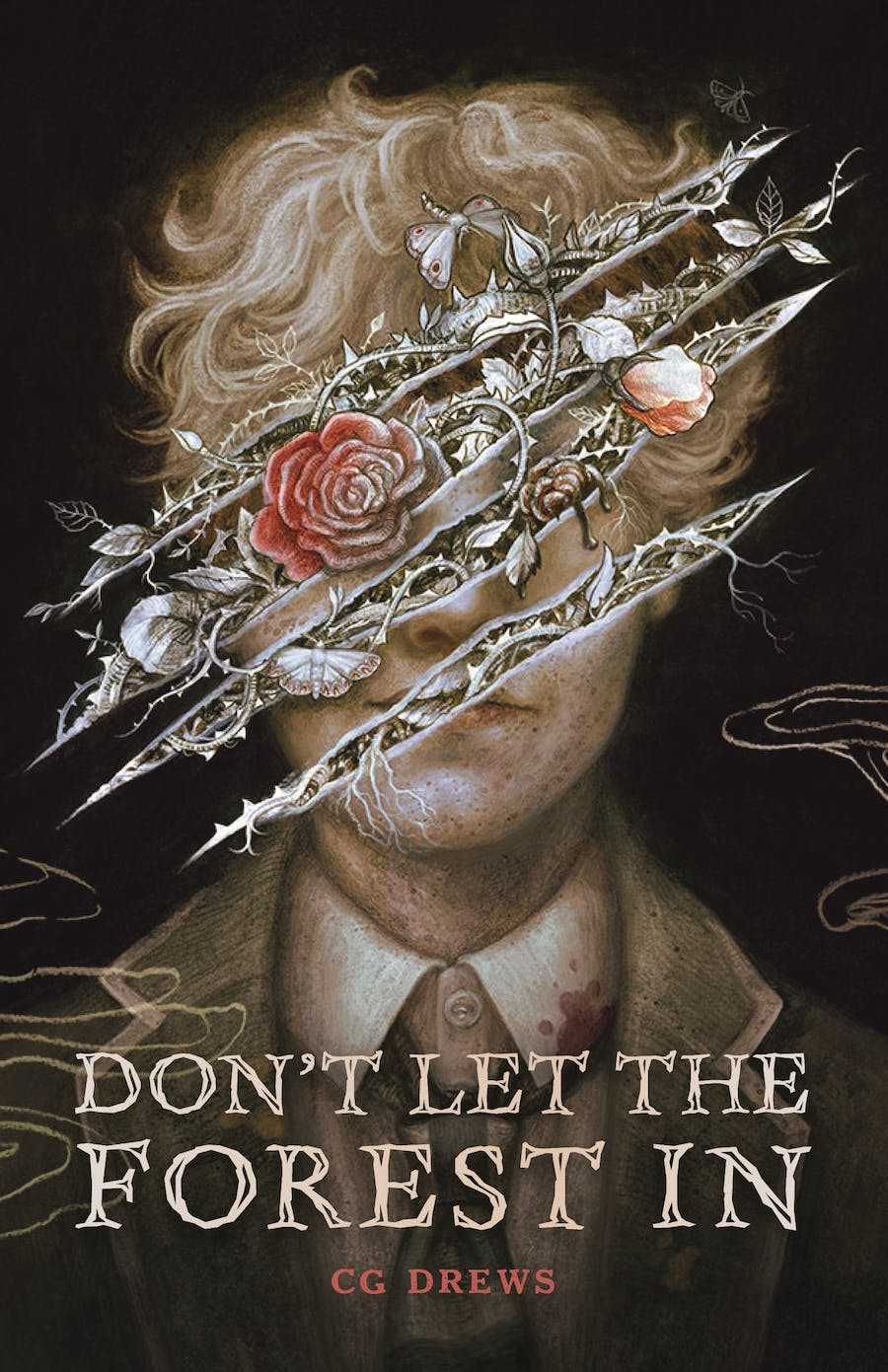
0Willagracemore commented on ayzrules's review of Don't Let the Forest In
⭐️ 3.8/5 stars
My monkey brain says, “stupid gay tumblr bullshit” (compliment). My working brain says, “stupid gay tumblr bullshit” (derogatory). The stressed-about-library-deadlines-brain says, “this could have been a novella”.
Overview: Don’t Let the Forest In reads like succumbing to a nightmare come to life. Part psychological horror, part twisted fairytale, and part doomed love story, the book is YA in all the best ways, those being raw, sincere, and entirely unapologetic. It’s heartbreaking in the way that only being young can be heartbreaking, when you’ve shattered for the first time and you don’t have anyone to teach you how to stitch yourself back together; it’s about trying to figure out how to do it yourself, and dooming yourself in the process. It’s about not knowing any better than to stick a needle through your eye when you try to sew your mind whole again, or to reach into your best friend’s chest for a piece of his heart to mend your own.
The thing that attracted me to the book based on the blurb was the botanical horror and fairytale atmosphere, and I would 100% say it delivered on that front. But fundamentally, this book is about the intertwined innocence and obsession of young love, and the devouring that comes out of it.
What to expect: The most important thing that I think people need to be aware of going into this book is that it is extremely flowery and YA. And not in the sense that the writing is bad, but there is a more juvenile tone which the author employs to demonstrate just how extremely young these boys are. The writing is fanciful and at times a bit overwrought, with formatting and text styling that brings back memories of teenage #spilled ink Tumblr accounts, but in my opinion, all of that ends up working in service of the greater atmosphere and message. This book is about characters who have realized that their anguish can be expressed on paper for the first time. This book is about characters who are wallowing in their own angst, who believe that their own despairing makes up the shape of the entire world, and who don’t have a brain mature enough to realize that there is more to life than the fuzzy silhouettes of everything they can make out around the edges of their unhappiness. And the funky formatting plays into it. The use of language here says, “I am a teenage boy who is fundamentally unhappy and I think there is nothing outside of me and my own unhappiness, and also I’m going to be edgy and pretentious about it because I’m too absorbed in myself to notice anything else except my own depression.”
And you know what? It fucking works, lmao. The author has definitely convinced me that the characters are like that!
In addition, I think CG Drews has a fantastic imagination, so it would be remiss of me not to mention how delightfully grotesque the monsters in this book are. There is both a fascinating decadence and terrifying realness to the creatures conjured by the writing, and the slow, dread-infused creep of the body horror is executed well, too. The horror here was at once manifest in the physical, the vines and moss and roots that tore and snapped and rent living things into viscera, and also lurking like a pair of inhuman eyes watching from the dark, a crawling, shivering, scuttling scrutiny that the characters—and the reader—were never truly able to escape.
In-depth breakdown: In my admittedly very nitpicky opinion, the writing could sometimes be a little bit unwieldy and juvenile, even as it maintained an air of dark, profound innocence. Ultimately, I think it serves the atmosphere and themes well (as I detailed earlier), so I’m not penalizing the book that much for the instapoetry formatting, but it is something that makes me hesitant to sing its praises to people outside of a small circle of friends who I know would be able to overlook that.
The dialogue, especially in the first half of the book, was very contrived. Looking back, I can recall many instances where the dialogue was deliberately manufactured to set up clues that would tie into later reveals, and as a result the dialogue just read rather unnaturally. Normal people don’t sound like that! Normal people don’t say things with such pointedness, or ask such leading questions! But I think it got a lot better by the time we hit the midpoint, so again, not penalizing the book too much for it.
Speaking of the midpoint—I think CG Drews needed a better developmental editor for this book. From 20%-50%, I was kind of bored of the book in general, because it was Andrew just repeatedly having a crisis about the same exact thing. However, I did enjoy the midpoint turn and the escalation in tension that followed immediately after, so ultimately I was/am able to overlook the slog that is the end of act 1/beginning of act 2. The pacing overall could use some work, and as I said somewhat facetiously at the beginning of this review, I do truly think this book could be stronger as a novella. The plot itself is simplistic enough that having it be drawn out for longer doesn’t seem to really seem to add that much.
Finally, the reveals at the end were handled rather clumsily. I don’t know how much I can say without spoiling things, but I think CG Drews needed to pace the twists better. Having them all be so close together effectively nullified any real emotional impact that one twist could have before another one took its place and reoriented the reader.
Now onto the positives: CG Drews is clearly very skilled in writing prose, which is not something I think can be said of every YA author. There was such a heavy sense of heartache imbued into every sentence, and the writing was raw and evocative. One thing which I really admired was how CG Drews was able to convey a sense of the physical with descriptions of Andrew’s emotional state; he so very clearly felt sadness and anxiety and frustration in his chest, or in his heartbeat, or in his ribs. This made the writing especially vivid and visceral, and I think it’s something to be commended.
CG Drews is also pretty good with horror, I would say! I don’t feel like I can make any real determination either way, as I’m not really a horror reader myself, but the eerie, crawling tension was definitely there, and the botanical parts to enhance it. The atmosphere felt executed well; it was haunted, but in a feverish sort of way, a delirium one is not sure will ever end. And there was such a striking softness to it, at times. I think the brittle innocence of some scenes where Andrew and Thomas were simply getting lost in their feelings for each other was such a gorgeous juxtaposition against the reality of what they were actually doing, and the horrors they were tangled up in. So, overall, I have to say that the writing and general “vibes” were probably my favorite parts of the book.
Conclusion: Parts of this book feel like a modern fairytale, mixed in with the horror and anguish; if fairytales typically depict the anxieties of the time, or serve as a warning rooted in the dangers of a lived experience, then this book encapsulates the pain of disappearing in a world as busy and crowded and overwhelming as that of the present day.
The story so perfectly conveys a story of two boys trying to figure out how they fit together, and not understanding that they were born as two, so any attempt to contort into one will do nothing but mangle and wound and warp into a form beyond all recognition. It was at different times raw, anguished, lonely, lovely, enchanting, and haunting. Getting to the end was like hearing a scream, but being much too far away to do anything but watch. Despite its flaws, I thought the book was absolutely captivating—I could not look away.
Although this book would probably hit harder as a novella due to pacing issues, and the more juvenile themes might not be for everyone, I think that readers who enjoy botanical horror, gore, and the all-consuming obsession of young love—and who can put up with some writing choices that seem targeted for a teenage audience—will enjoy this book.
62Willagracemore commented on ayzrules's review of The Tainted Cup (Shadow of the Leviathan, #1)

⭐ 3.9/5 stars
Overview: The Tainted Cup is a unique, creative attempt to blend the trappings of biopunk fantasy with the familiar rhythms of a murder mystery. The book strikes a satisfying balance between the strangeness and peculiarity of a fantasy world that brings to mind a more grounded vision of Vandermeer at his weirdest and most fungal, and the characters and plot beats of mystery stories that have stood the test of time. Never is the reader inundated with new information about the setting to process and absorb in order to understand the story; instead, this information is masterfully woven into the mystery itself, unfolding as the clues and culprits behind the murder are brought to light.
What to expect: It was truly a delight to follow the twisting, weaving journey of this book from the first page to the last, akin to going along with an origami video tutorial—the information given to the reader at times seems random or disconnected, and it is difficult to see how each new fold or slip of the worldbuilding is related to the larger shape of the story, but the trust that the reader places in the process is never left unrewarded. The final form that the story takes is something clever and wondrous in its own right.
In-depth breakdown: If botanical horror is having a Moment (TM) as the dark, grotesque darling of fantasy publishing, then The Tainted Cup and the Shadow of the Leviathan series are a cousin that operates under a set of rules more rigid and defined, yet equally strange and terrifying. In the Empire of Khanum, every wonder has a price, and every miracle has the potential to age, erode, or become contaminated, as all living things do.
The setting and worldbuilding were, to me, by far the best parts about this book. It is clear that Robert Jackson Bennett did what all the best worldbuilders tend to do, which is take a central idea and Commit wholeheartedly to it. The threat of the leviathans and sea walls are infused into every aspect of the setting; nothing, from dappleglass and grafts to Apoths and cantons, remains untouched by the idea that leviathans are dangerous and must be kept out. And the body horror and biopunk are just so damn cool. I will be thinking about vines that act as gate-guards and hills made from the rib bones of leviathans for a long, long time.
The mystery is where the book begins to show its weakness, and why this is not truly a perfect read for me. A lot of the biggest reveals and revelations seem to take place off-screen. From reading other reviews, I’ve gleaned that having a character with genius-level intellect explain the intricacies of the mystery to the reader is kind of a trope in mystery novels (I’m not a huge mystery reader myself, usually), so I can see that RJB has kind of leaned into that here. And, to be perfectly fair, Ana is an absolute fucking delight. She’s so funny and sharp and witty, and such a menace to everyone around her, and I could not think of a better character for RJB to have used to have these long, rambling monologues. Her voice is impeccably written, and RJB has made these monologues compelling, and this is absolutely something to be commended.
But, while I was interested in following Din around as he investigated and reported back and predictably ran into a few challenges in the process of investigating, I was never completely gripped by the plot. It was quick-paced and engaging, but I always felt that I wouldn’t be too fussed if I never found out what happened next; like I could put the book down and come back a week, a month, a year later, and pick up right where I left off. The stakes never felt like life-or-death, even though I think it was RJB’s intent to infuse at least a little bit of a sense of danger into the various machinations of these characters. And there were a few moments I felt were much, much too heavy-handed in trying to demonstrate some larger themes and messages, but they were so few and far in between that it honestly wasn’t too bad.
Finally, I thought that Din’s character arc was rather weak. Sure, he’s an interesting and relatable guy, and RJB does set it up well enough so that the reader sympathizes with Din, but I was never completely hooked by him as a character. He seems to remain rather flat throughout the entire book, and it wasn’t very compelling for me to read, personally (I’m aware that there’s a 2nd book available and a 3rd book coming out, but frankly I don't think that's an excuse for the 1st book to have a flat character arc). I like him enough as a person, but as a character? Jury's still out.
However, the way that Ana and Din's relationship began to change was very endearing. I think that RJB struck the right chords with balancing the eccentric, barely-sees-past-her-current-fixation personality that dominates Ana with the moments of genuine care and concern. The trajectory of their relationship was written in such a subtly skillful way, I really enjoyed that.
Conclusion: All in all, this is a very solid, competent book. Everything that is set up has an appropriate pay off. Everything that the reader is asked to be patient for is rewarded in spades; everything that is promised is brought full-circle, and then some. The setting is vivid and unique, and the characters are fun to follow. If I had to sum up this book in one word, it would be "purposeful". It's a masterclass in threading fantastical worldbuilding with mystery and vice versa, until all of it is intertwined and enmeshed into the form that RJB has called his story.
4Willagracemore commented on ayzrules's review of Piranesi
⭐ 4.1/5 stars
This was such a mind-trip of a book, it almost feels like it was all a dream. The writing is so soft and tinged with a palpable sense of quiet wonder and whimsy. It is at different times tender, lovely, lonely, mournful, haunted, anguished, reverent, and magical, but always in such layered and beautifully subtle ways.
This book is SO smart and intricate, especially in the first half, but the author is just THAT skilled, and had such a clear sense of what she wanted to do, that the experience of reading it feels…simple. There were parts where I was thinking about how each sentence and section has meaning upon meaning heaped onto it, woven together with an impressive complexity and deftness, but it’s crafted as naturally as water flowing downhill. The tone and style are so endearing and charming and delightful, it’s impossible not to fall a little bit in love with the narrator. It’s a book that manages to make time stand completely and perfectly still, while also feeling a bit fleeting, somehow? It felt a bit ephemeral, a bit insubstantial, a bit not-there around the edges. As if I could look away from the pages for a moment, and the words would have disappeared when I looked back down, gone with the passing clouds.
In a way - and hopefully this is not too spoiler-y, lol - this is a book about endings, and like all endings, it is not without its unique anguishes. But it’s all so enchanting to get lost in it.
I will say that this book feels more about the Experience TM than it is about the plot and such. There is a plot, but it’s quite simplistic. Basically everything is wrapped up at the climax, and I wished that there were some points that were explored with more depth or complexity given how skillfully the author had built up to them in the first half. They were interesting and cool! I wanted to know more! And it felt like a little bit of a let-down to just breeze over everything the way that the book did. But, I still really enjoyed this regardless. It’s all just so dang clever.
12Willagracemore commented on ayzrules's review of The Tainted Cup (Shadow of the Leviathan, #1)
⭐ 3.9/5 stars
Overview: The Tainted Cup is a unique, creative attempt to blend the trappings of biopunk fantasy with the familiar rhythms of a murder mystery. The book strikes a satisfying balance between the strangeness and peculiarity of a fantasy world that brings to mind a more grounded vision of Vandermeer at his weirdest and most fungal, and the characters and plot beats of mystery stories that have stood the test of time. Never is the reader inundated with new information about the setting to process and absorb in order to understand the story; instead, this information is masterfully woven into the mystery itself, unfolding as the clues and culprits behind the murder are brought to light.
What to expect: It was truly a delight to follow the twisting, weaving journey of this book from the first page to the last, akin to going along with an origami video tutorial—the information given to the reader at times seems random or disconnected, and it is difficult to see how each new fold or slip of the worldbuilding is related to the larger shape of the story, but the trust that the reader places in the process is never left unrewarded. The final form that the story takes is something clever and wondrous in its own right.
In-depth breakdown: If botanical horror is having a Moment (TM) as the dark, grotesque darling of fantasy publishing, then The Tainted Cup and the Shadow of the Leviathan series are a cousin that operates under a set of rules more rigid and defined, yet equally strange and terrifying. In the Empire of Khanum, every wonder has a price, and every miracle has the potential to age, erode, or become contaminated, as all living things do.
The setting and worldbuilding were, to me, by far the best parts about this book. It is clear that Robert Jackson Bennett did what all the best worldbuilders tend to do, which is take a central idea and Commit wholeheartedly to it. The threat of the leviathans and sea walls are infused into every aspect of the setting; nothing, from dappleglass and grafts to Apoths and cantons, remains untouched by the idea that leviathans are dangerous and must be kept out. And the body horror and biopunk are just so damn cool. I will be thinking about vines that act as gate-guards and hills made from the rib bones of leviathans for a long, long time.
The mystery is where the book begins to show its weakness, and why this is not truly a perfect read for me. A lot of the biggest reveals and revelations seem to take place off-screen. From reading other reviews, I’ve gleaned that having a character with genius-level intellect explain the intricacies of the mystery to the reader is kind of a trope in mystery novels (I’m not a huge mystery reader myself, usually), so I can see that RJB has kind of leaned into that here. And, to be perfectly fair, Ana is an absolute fucking delight. She’s so funny and sharp and witty, and such a menace to everyone around her, and I could not think of a better character for RJB to have used to have these long, rambling monologues. Her voice is impeccably written, and RJB has made these monologues compelling, and this is absolutely something to be commended.
But, while I was interested in following Din around as he investigated and reported back and predictably ran into a few challenges in the process of investigating, I was never completely gripped by the plot. It was quick-paced and engaging, but I always felt that I wouldn’t be too fussed if I never found out what happened next; like I could put the book down and come back a week, a month, a year later, and pick up right where I left off. The stakes never felt like life-or-death, even though I think it was RJB’s intent to infuse at least a little bit of a sense of danger into the various machinations of these characters. And there were a few moments I felt were much, much too heavy-handed in trying to demonstrate some larger themes and messages, but they were so few and far in between that it honestly wasn’t too bad.
Finally, I thought that Din’s character arc was rather weak. Sure, he’s an interesting and relatable guy, and RJB does set it up well enough so that the reader sympathizes with Din, but I was never completely hooked by him as a character. He seems to remain rather flat throughout the entire book, and it wasn’t very compelling for me to read, personally (I’m aware that there’s a 2nd book available and a 3rd book coming out, but frankly I don't think that's an excuse for the 1st book to have a flat character arc). I like him enough as a person, but as a character? Jury's still out.
However, the way that Ana and Din's relationship began to change was very endearing. I think that RJB struck the right chords with balancing the eccentric, barely-sees-past-her-current-fixation personality that dominates Ana with the moments of genuine care and concern. The trajectory of their relationship was written in such a subtly skillful way, I really enjoyed that.
Conclusion: All in all, this is a very solid, competent book. Everything that is set up has an appropriate pay off. Everything that the reader is asked to be patient for is rewarded in spades; everything that is promised is brought full-circle, and then some. The setting is vivid and unique, and the characters are fun to follow. If I had to sum up this book in one word, it would be "purposeful". It's a masterclass in threading fantastical worldbuilding with mystery and vice versa, until all of it is intertwined and enmeshed into the form that RJB has called his story.
4Willagracemore commented on a List
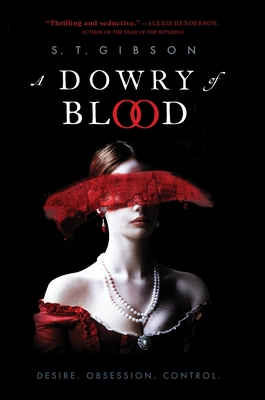
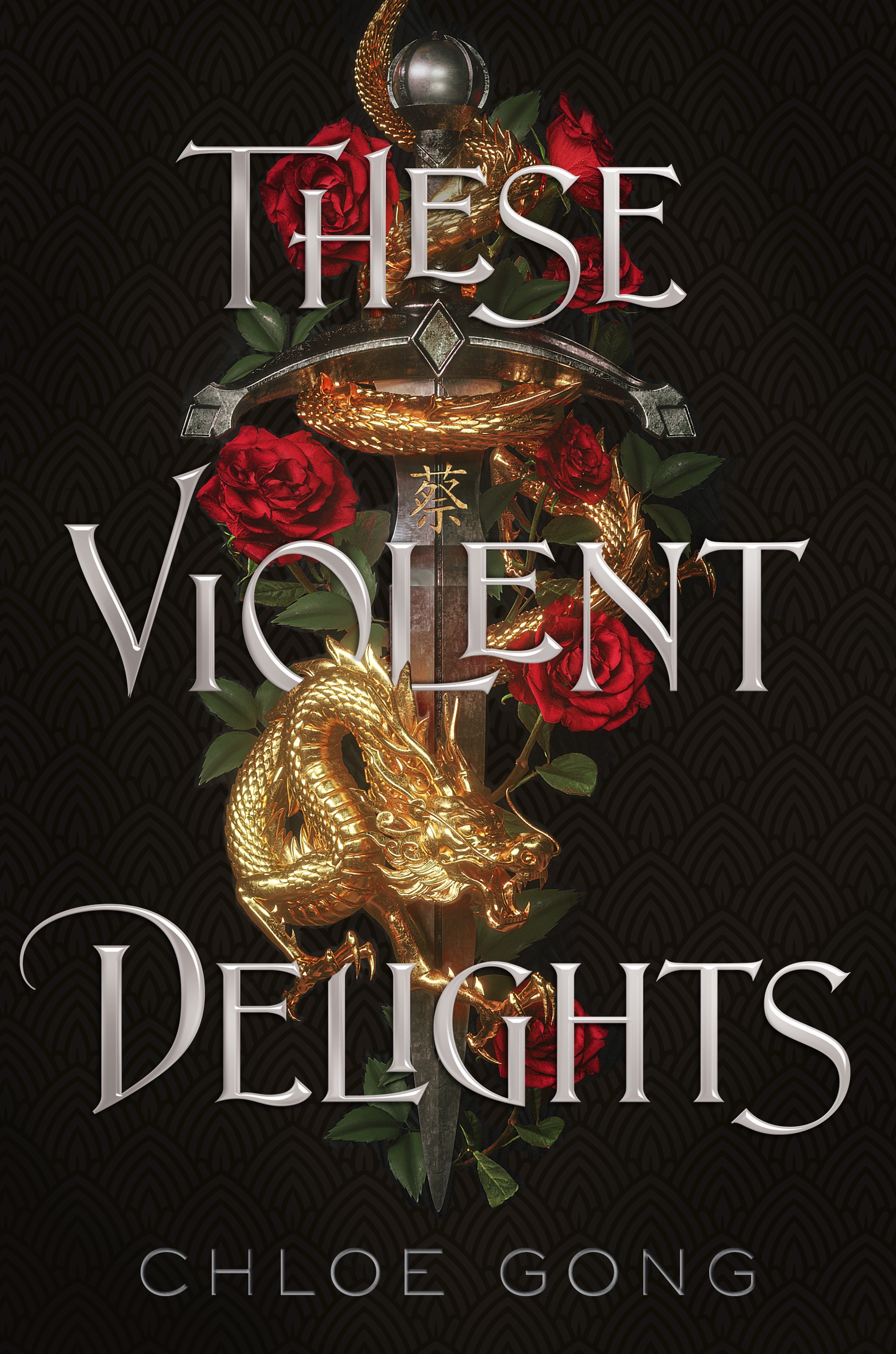
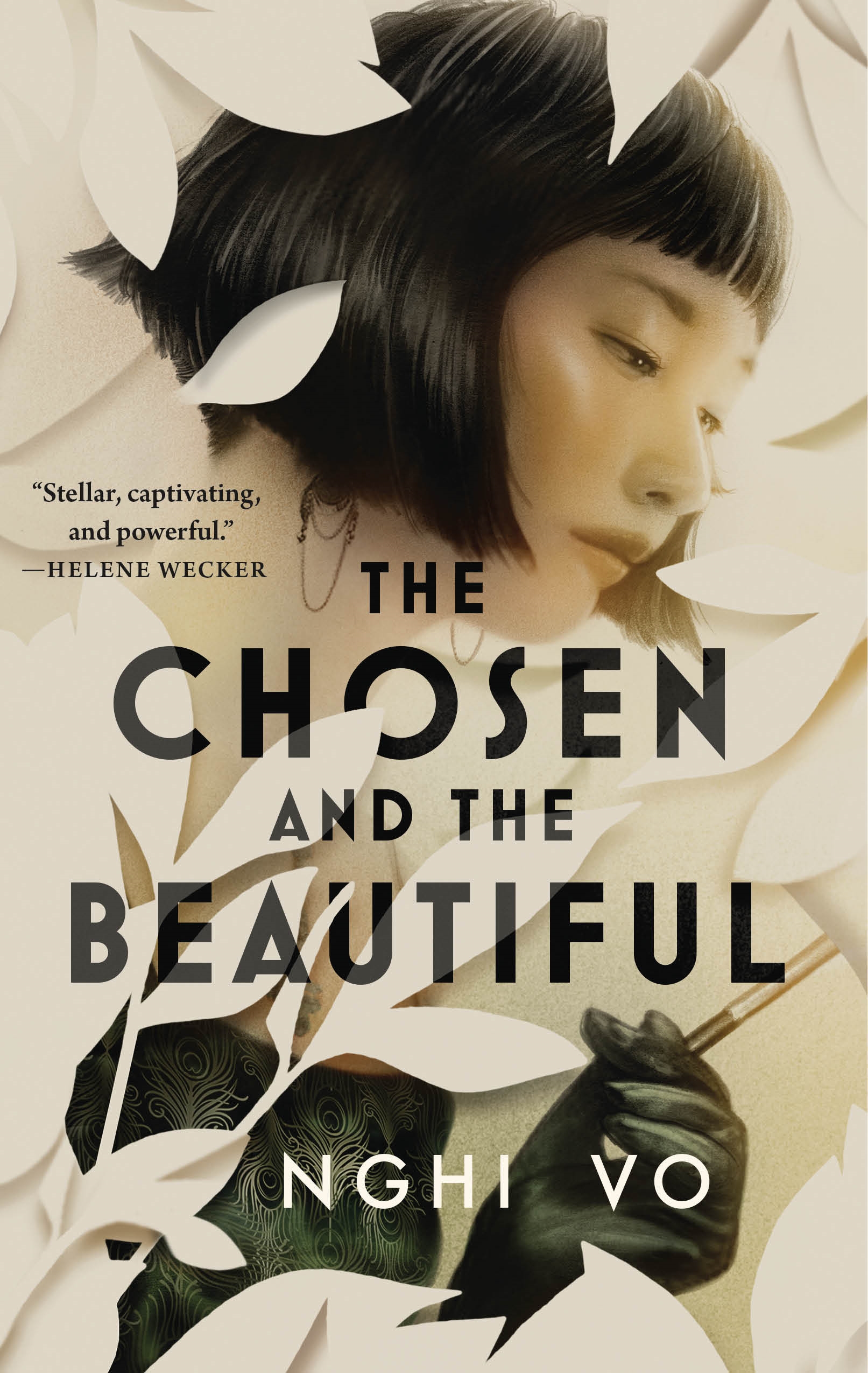
Spinoffs Galore!
A list for books based on the works of other writers (or: authors copying each other’s homework 🙂↕️). Suggestions welcome!
27

Willagracemore TBR'd a book
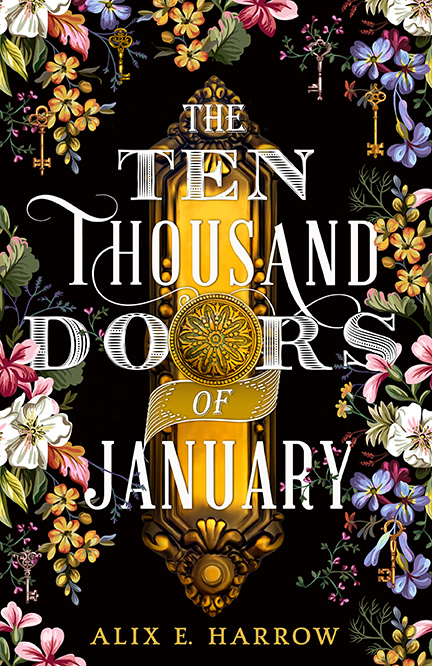
The Ten Thousand Doors of January
Alix E. Harrow
0Willagracemore joined a quest
Fantasy and Sci-Fi with a Side of Romance 🐉💘🚀
🏆 // 2775 joined
Not Joined
Dramatic battles, tense political intrigue, unique world building...and is that maybe some romance I'm sensing? These books are not Romantasy but focus primarily on the SFF elements. Romance is a subplot and may not appear until later in the series, but when it does, you won't be disappointed.
0Willagracemore TBR'd a book

The Familiar
Leigh Bardugo
0Willagracemore TBR'd a book

The Library at Hellebore
Cassandra Khaw
0Willagracemore TBR'd a book
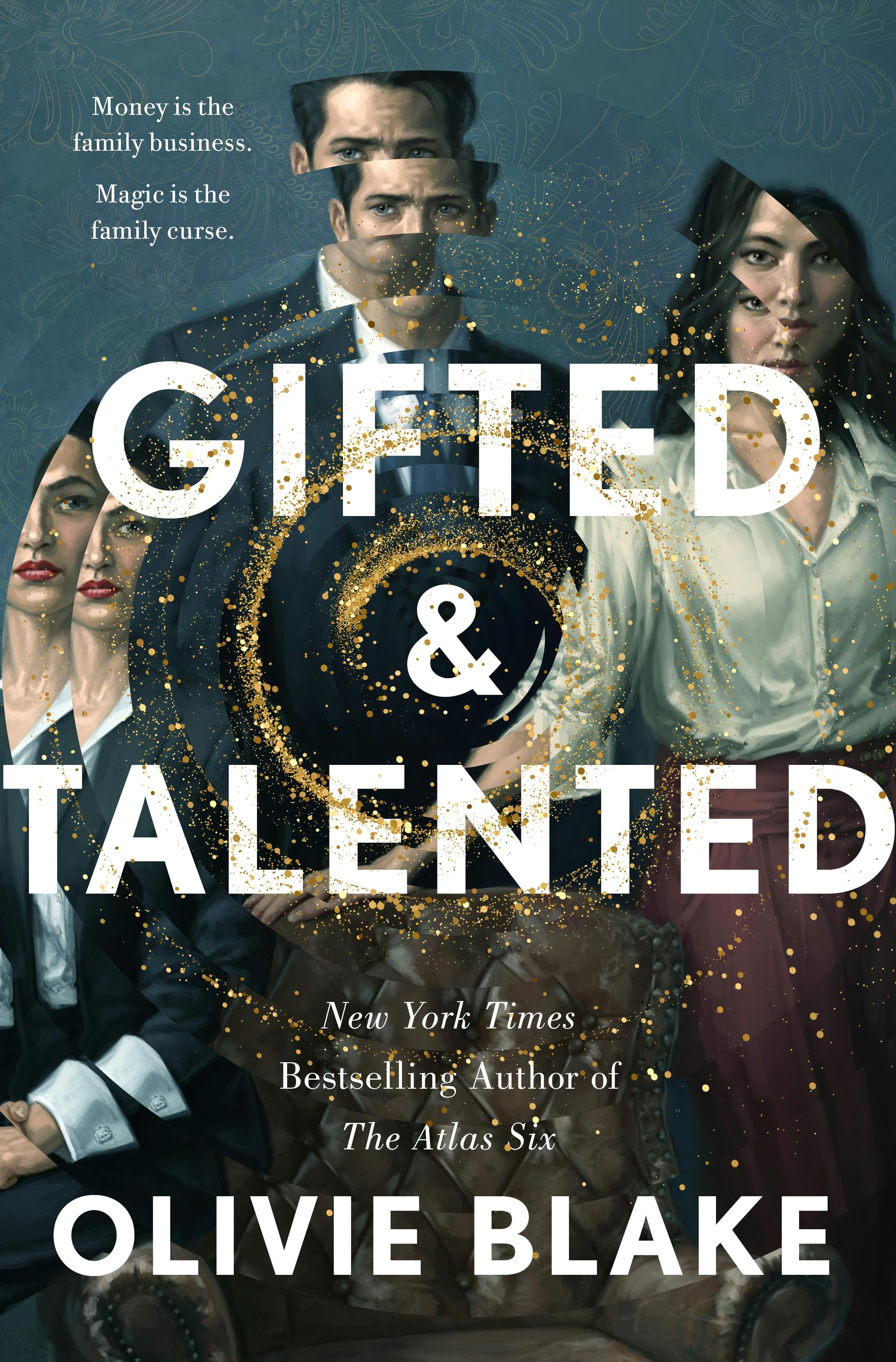
Gifted & Talented
Olivie Blake
0Willagracemore TBR'd a book
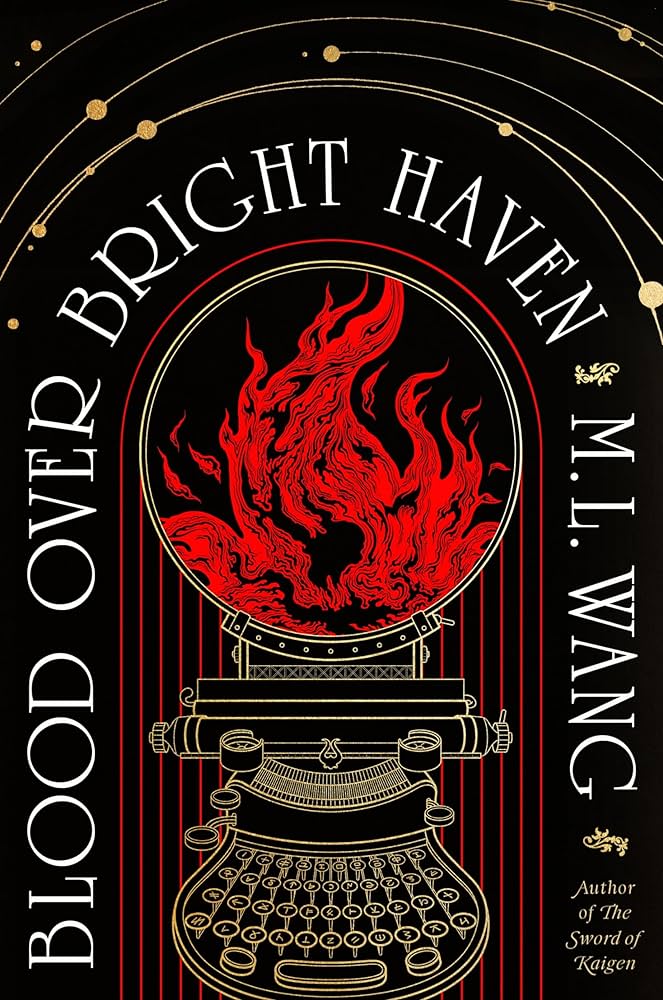
Blood Over Bright Haven
M.L. Wang
0Willagracemore joined a quest
Dark Academia 💀📜🍷
🏆 // 3833 joined
Not Joined

Gather in these hallowed halls
0