
vulpecula
flo. 34. she/her. nyc. i say "fight me" way too much for someone who is 5'0". (ง'̀-'́)ง i am either talking about t. kingfisher or piranesi 95% of the time. Find me on GR & SG @ ellipsism! 🦊
68220 points





October 2026



3.66 average · 479 reviews
Click a segment to filter
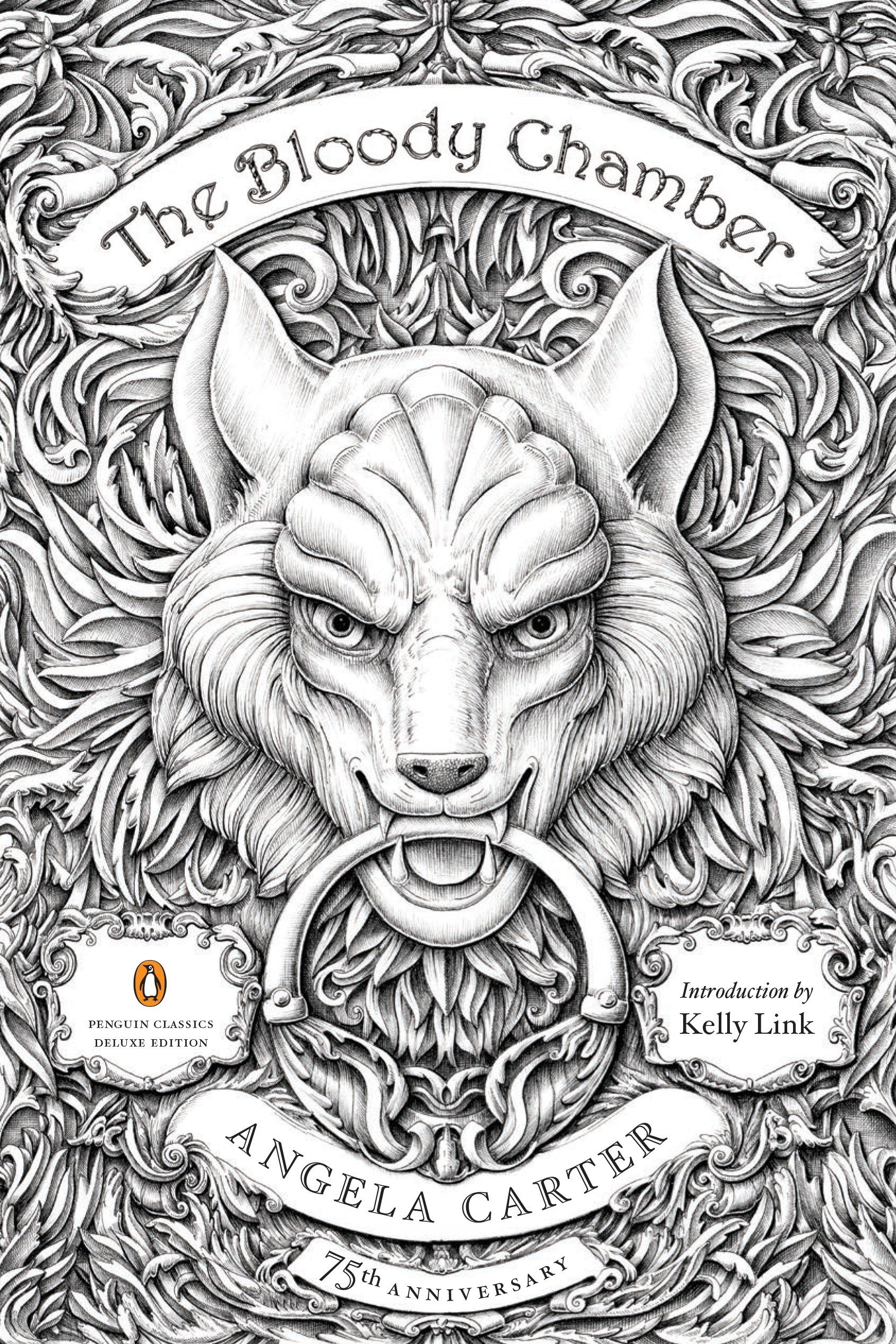
This book should be required reading everywhere. It changed my brain chemistry and I already wish that I could erase my memory and reread this book from the very beginning immediately after finishing it. The way that this author ties up discussions of transphobia, misogyny, gender roles, colonialism, and classism while writing a compulsively readable story should be studied because it was done damn well almost perfectly.
tl;dr Silas Bell can commune with the spirits that dwell beyond the Veil, but as a trans autistic man, not only is he seen as a woman in 1883 London, but he also has little to no rights. Where he wants nothing to do with spirits and hopes to become a surgeon, his family expects him to marry well, and when he fails to escape, he is sent to Braxton’s Sanitorium and Finishing School to become the perfect wife. But when he gets messages from ghosts of former students begging him to help get them justice, he realizes that it will take all of his whole and true self to expose Braxton's to the world.
Silas is truly one of the most relatable characters that I have ever read in fiction. While the way that his autism presents is fairly different from mine, there were so many moments when I was like, "OMG yes that is me!" This was a character where I really felt seen by the narrative and could almost fully relate to. His autism is never treated as a joke or something to be changed (beyond how he mentions his family had tried to get tutors to change him when he was young), and is in fact something that is a strength—but the author also does not shy away from the weaknesses/downsides either. It's not presented as some sort of invincible superpower, which would honestly be equally insulting. The way that the narrative describes Silas masking his autistic traits in public and around others was descriptive, but not overwrought. In other words, truly well done.
“We are the same species. We're all human. It's not that people cannot understand me; it's simply that most of them don't want to."
And of course, the depiction of Silas' struggles with being a trans man in Victorian England was equally well done. I can't speak from experience in this case, not being trans, but I really felt for the way that he was forced to respond to and act as a girl when he clearly is not and has never been one. The book is super blunt about the damage that gender roles and societal "values" do to people who don't fit the norms. This is obviously Silas' specific experience of being trans, but he specifically states that he has no issue with his own body, just the social conditioning and expectations associated with the gender that is also associated with his body. It's just another way that society forces everyone into little boxes and can't accept any sort of deviation. But Silas continues to fight for his right to exist and be who he is, despite everything that his family and society tries to tell him. At the core of all of this horror is still hope.
"There is nothing wrong with my body. When I am alone, I am in awe of it...it is all a grand work of genius, and I could never begrudge the one that was given to me. I hold no hatred for the shape it takes...It is only when I step back to see it all through another's eyes that I want to unravel it and carve the meat into a new, different, more acceptable shape."
This book takes the feral anger at forced gender roles and sexist policies that pervaded (and still pervade) society and throws it all at the readers. Not only are the other girls at the school are all victims of (and in some cases, end up being perpetuators of) that misogyny in different ways, but the whole idea of Veil sickness is just another way that the white and cis men at the top of the hierarchy try and control women, similarly to how women in the real world were diagnosed with hysteria if they acted out of line. There were so many quotes that demonstrated how the people within this society thought about women that were so infuriating, but they're all essentially based on real history. It was also so sad that this system ensured that the women at Braxton's were set against each other as well. Because of the way the system is set up, they essentially ensured that the women see each other as competition so that they don't end up working together for the betterment of all of them. And yet—like I said earlier, this story is about hope within the horror. No matter the seeming strength of the patriarchy, the strength of those oppressed is greater.
“Men all hurt us in their own unique ways. None of us carry the same bruises the same aches.”
I loved the other girls at the school, both as characters and also in the roles they play narratively as well. I especially found Charlotte and Mrs. Forrester fascinating because they either convinced themselves or tried to convince themselves that they were happy to comply with the system in order to survive. Truly so relatable to what is happening today with tradwives trying to convince themselves and everyone else that their way is the way that leads to happiness. Mary is another particularly interesting character who starts out as someone who appears to be a bully, but as you follow her story, you realize why she is the way she is. This book truly describes the different types of pain and trauma caused by men incredibly realistically, because it's not always just physical pain.
This is a horror as well as a fantasy book, and I found the use of blood and gore to be especially effective in this book because violence is still being done to people who don’t “conform” today. Not always in the same way, and it's not always physical violence, but it’s absolutely being done. I love that the author wanted to make that super clear through his use of gore and blood; he did not shy away from fairly graphic descriptions of (forced) surgery and injuries. It was a very smart use of a horror device without only using it as a cheap trope to scare, which makes the horror ten times more effective because that feeling of something being horribly wrong is insidious and creeps inside you as you read.
Finally, there were so many amazing quotes that if I was annotating or highlighting this book, there would barely be any blank pages left. I found myself wanting to shout to someone about some turn of phrase or quote that was super relatable every other moment. For example:
"This is a tragedy that has only begun. It has not taken root, or forced society to become desensitized to its own horror. There's a difference between horrible things that have gone on forever, because you can almost convince yourself of the inevitability of an age-old cruelty, or almost its necessity. But not a new one. With a new one, the change is too great, the wound is too new, and you cannot convince yourself that it is imply the way of the world."
"Why is it that when they hide their faces, men become monsters instead of angels?"
“When the dead men come, we are waiting. We have been waiting so long. They must have convinced themselves they would never rot in the same dirt we do.”
There are honestly so many more amazing quotes in this book that I can't possibly highlight them all. I would recommend this book to literally everyone and anyone, but I will say to mind the trigger warnings because there are a shitton (off the top of my head, tw for: abortion, adult/minor relationship, blood, child abuse, confinement, deadnaming, gore, misogyny, sexism, transphobia, forced institutionalization, medical content/trauma, pregnancy, rape, and sexual assault). This book is about rage at cis men, but it is also about trans joy and triumph. Most importantly, it is about finding one's own strength to fight for a life that is worth living.

This is a gay tragedy and you can't convince me otherwise.

WARNING: Do not read this review if you love this book because I know I'm very much in the minority with how I felt about it. Don't @ me if you love this book and still read this review because I have a lot of feelings lol.
This book made me so angry. That was my first reaction when I finished the book. I just sat there and seethed because what in the ever-loving bloated, pretentious, purple prose that said nothing at all did I just read? If this wasn't a book that someone lent to me, I would have set it on fire. (Not really because book burning is bad, but I might have considered flinging it out a window!)
I truly could not really tell you very much about what this book was about. I got the general jist - two enemies from opposite sides of some sort of war writing letters to each other and falling in love, but that was...about as far as I got. I couldn't tell you anything about this war or why it was happening, the setting/world-building, the way that things work in this setting, what the characters were really like, or tbh, why they even fell in love. It seemed like one of the characters suddenly decided she was in love with the other one and it just went from there. There was no believable development or buildup to it at all. I didn't care about either of the characters in any way because the authors never gave me a path to care about them. Basically, I have nothing I can really write about in review because the authors gave me nothing except for pretty words that barely made sense.
This book basically just ran on vibes rather than anything solid and I feel like the authors should have just written a poem if that's what they wanted to do rather than put this out as a story, because it barely felt like a finished novel. The last...maybe 25% of the book got a little better (which isn't saying much given how I felt about the whole thing) just because stuff actually was happening rather than just vibes. tbf, all that stuff was still written in the most pretentious way possible, but at least something happened.
As I'm writing this review, I think that maybe this book made me this angry because of how pretentious it felt. It felt like the authors were flaunting how clever and lyrical their writing was rather than focusing on writing a readable or engaging book. Clearly, most people do not agree with me on this, given the largely high ratings this book has, but I really do not get the hype at all. Overall, I was mostly confused, bored, and so ready for it to be over.




Ever wondered what all the level badges look like together? Wonder no further! Thanks to @jordynreads' latest level up, I've listed them all up to Level 27 for y'all right here!

Oh no! Your current PB username has been stolen somehow!
What would you pick as a second option (and why)? (Assume that all other potential usernames are available.)
In the last week, I've seen a couple comments/reviews/etc that have noted the use of AI on PB, which feels so weird to me because PB advertises itself as an anti-AI site very specifically, so it just seems to clash against the very basic tenants of this app to begin with - especially when most people come here because we don't want AI driven recommendations or reviews.
So just as a very general reminder, the use of AI is destroying the environment at an unprecedented rate because of the electrical and water demands needed to manage the data centers (🔗article from MIT), and that impact is felt unevenly and in many countries that are not actually making up the lion's share of the usage (🔗article from UN). Additionally, AI has been found to lead to lower cognitive ability like critical thinking skill and brain development (🔗article from The Times) and psychosis in individuals who haven't displayed similar symptoms before (🔗NLM research article). Given that some of the benefits of reading are to develop cognitive ability and critical thinking, and since we all sort of need to live on this Earth to survive, all of this really seems maybe a little bit important and alarming to me!
To be honest, I know that posting this isn't going to stop people who are still using AI for basic everyday tasks or change their minds, but I just wanted to get it off my chest after seeing it several times recently. I know that a lot of companies are forcing people to use AI in their work, but when it comes to our hobbies, we have a choice to say no to AI, and PB especially has been a haven from the ubiquitous use of AI everywhere else.
EDIT: if you’re going through and downvoting all the anti-AI comments, how about you look at the links above and educate yourself on AI usage instead? Would be a better use of your time!!
EDIT 2: @vulpix also pointed out several very important points about AI use. This is my paraphrasing, but these are all @vulpix's research btw! First, research has shown how AI has encouraged violence against women and girls (🔗research here) by allowing for roleplaying of these scenarios, literally advising people to commit these acts, and agreeing with misogynistic stereotypes. Second, AI is actively racist in that it's built into the algorithms behind AI (🔗UN article), so when using it to make decisions, it's all based on human stereotypes, biases, and yes, racism, which obviously has real life implications. (This makes me think of that thing that happened when the Fable AI made a very racist comment that essentially blew up Fable...last year? The year before? I forget now.)
vulpecula commented...
vulpecula is a faint northern hemisphere constellation that means "little fox," and I love both foxes and space! 🦊

I just had the insanely jarring realization that honeymoons are a thing and I completely forgot about them when I set my username. I’ve always used “ golden moon” something as gaming usernames and just thought honey moon was a cute variation 🫠
This made me start wondering if I was similarly misreading anyone else’s usernames and what some of them meant. So while I think of a new username, I wanted to ask everyone what’s the story behind your username? 👀
Edit: The rebrand has been done 😌
vulpecula commented...
Whenever there is a psychologist in fiction, they are either wildly incompetent, breaking every ethics code known to man, and/or sleeping with their patient. I promise we do more than those three things in real life!!

Do you have anything that bothers you sometimes when you’re reading a book?
Please tell me I’m not the only one who is bothered by this. Hear me out... My odd book bother is that NO ONE EVER HAS TO GO TO THE BATHROOM.
You’re telling me this ragtag group of adventurers has been trekking through caves, forests, and mysterious kingdoms for three days straight and not one of them has had to pee?
The brave knight is fighting dragons, the chosen one is saving the world, and nobody has once said, “Hang on, I need to poop.”
And yes, I understand that nobody wants to read about bathroom breaks, but can we at least acknowledge it instead of just assuming it happens off page? “Midway through the treacherous cave, the brave knight had to poop.” It’s human nature! 🤣
Anyway, what are your odd book bothers? The little things that make you go, “Wait a minute…” 👀
vulpecula commented...
Capitalism gets in the way of reading once again!
I have a hat that says “born to read, forced to work”. I think you need this hat too.

This isn't a discussion.
I apologise if this is not the right place to do it, but I don't have anyone else to share this frustration with. I am simply being dramatic. I just want to express how sad I am to not being able to finish one more book that I'm currently reading before September, because of how much work I had over the last few days!! Ahh!!!
I am finally off from work Tuesday and Wednesday though. I cannot wait to read more!
Happy last day of August! I hope you enjoyed yet another month of reading!

© 2025 Pagebound