
zzzzzz
they/them | mostly queer, trans, and other marginalized voices 🏳️⚧️ | queer pirates, mermaids & co 🏴☠️🌊 | queer (religious) horror 💀🩸 | no ratings, just tracking & recs
6387 points




— average · 0 reviews
Click a segment to filter


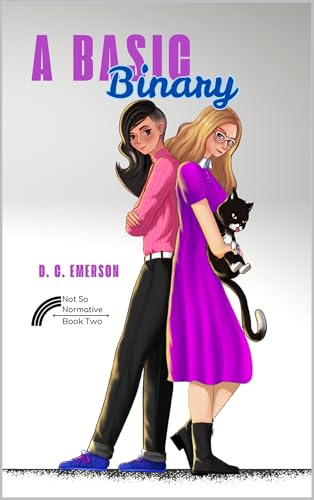

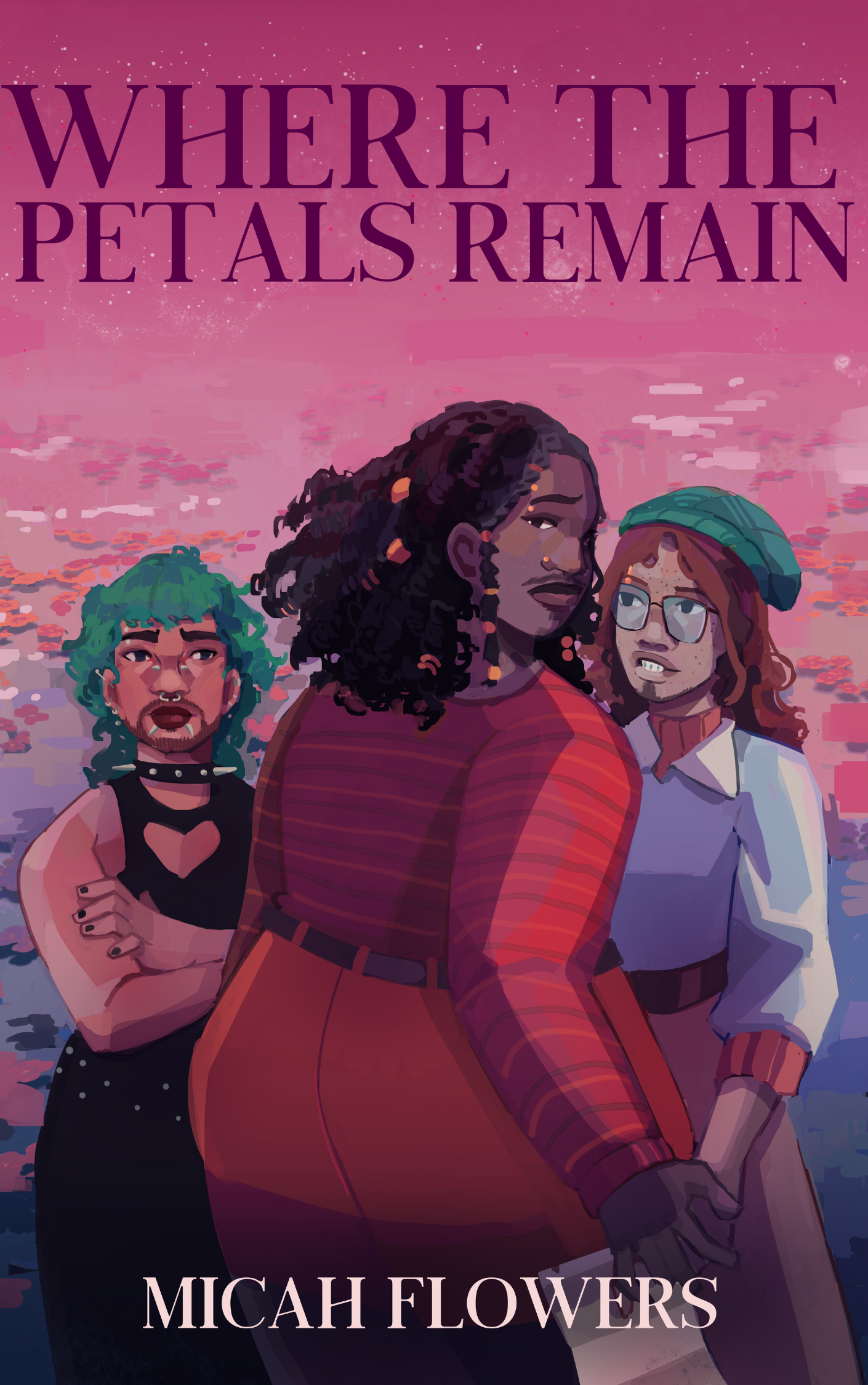
I coincidentally read two books from this quest over the last few weeks: Hazelthorn and What Moves the Dead.
One thing I got to thinking about as I scrolled through the other books in this quest and compared the ones I've already read, I thought about what exactly it is that makes a lot of botanical horror so scary, and I came to this conclusion: I think one significant factor is a loss of human control over an area that humans like to think they have already come to understand, if not explicitly control. Of course, if nature is trying to kill you, that in itself is inherently scary, but one recurring motif in botanical horror is nature that, in itself, isn't evil, and yet, it's creepy, eerie, scary.
I notice a few different angles here: Books like They Bloom at Night, in which part of the eeriness is in nature changing in ways that are strange to us, where animals become new and odd and something undiscovered. Books like Sorrowland and What Moves the Dead, in which the core of the botanical horror dimension is how fungi change humans and turn them into something different. Books like Paradise Rot (not in this quest) and Hazelthorn, in which nature refusing to respect the boundaries humans attempt to set between it and human infrastructure/architecture is key to the story. I'm also thinking about Blood Orange by mars adler and the BIPoC eco-horror anthology Silk and Foxglove which features multiple stories about nature directly fighting back against humans' destruction of it.
Idk, I don't really have a conclusion to this post, I just thought it was an interesting observation how easily horrified we, as humans, are by the idea of losing to nature, particularly losing control to nature. Or, at the very least, how easily and productively usable the idea of loss of control is in botanical horror.

Ring Shout
P. Djèlí Clark
This is one of the best audiobooks I've ever listened to. The narrator, Channie Waites, is doing a fantastic job juggling the actions, speech, thoughts, and singing. And there is one aspect about this audiobook that stands out to me in particular: So often, audiobooks force a distance between a story's protagonist and the reader by not allowing the narrator to actually emote the emotions of the protagonist outside of direct speech. That isn't the case here. When Maryse Boudreaux is angry, sad, desperate, Channie Waites lets us feel that she is angry, sad, desperate. There was one moment earlier in the book where her voice breaks as she takes us through Maryse's internal monologue, and I thought it was fantastic. Imho, more audiobooks should be like this. The narrator allowed to weave the emotion of the story not only into direct speech, but into every word put to page by the author. It makes the reading/listening experience all the better.

Hello lovelies. I have unfortunately realised that some books I've gotten off of amazon and enjoyed reading are completely generated by AI. I'm really not a fan of that. I can, eventhough i don't like it, understand human authors using AI for their cover art because not everyone is artistic or can afford an artist, but I draw the line at books being completely written by AI. Do you guys have any tips of how I can avoid getting books not written by humans? I'm gonna read the ones I've gotten because I also hate throwing money away, but how can I further protect myself?
I like supporting indie authors, but now I'm almost scared of what is real and what isn't. I have already been trying to be mindful of books being released in 2026 and 2025 and do more research and look at the reviews, but I realised I have still failed. I think the fact that I'm a non native English speaker makes it harder for me to spot when books are clearly written by AI and when they are written by humans..
Any tips are welcome and much appreciated ❤️
Edit: Thank you to everyone for taking the time to write helpful responses. I'll take it into consideration and try my best to avoid AI slop ❤️
zzzzzz commented...
honestly, every cover, no matter how unappealing it is to me, is a "hear me out" for me compared to every single AI-generated cover out there

Listen, we all know there are some atrocious looking book covers out there. What are some book covers that are objectively ugly where you're like "you know what, hear me out" and your reasoning for thinking that. Here's your chance to convince other people that you have great (or maybe questionable) taste once and for all!
Since some books have many different versions out there I would suggest either describing it so that others can search it up themselves or linking the specific version in your comment. I'm excited to see some weird fucking covers!
© 2025 Pagebound
zzzzzz commented...
Most indie authors have social media presences and/or host their own websites. They usually link to their preferred sale platforms in their bios and/or websites, or even host their own storefronts. A big upside to buying direct, as opposed to platforms like Kindle or Kobo, is that you actually properly own the ebooks you buy (the books you buy on Kindle are only yours as long as they remain on Amazon. If the author removes them or Kindle takes them down, you will no longer be able to read them). So it's actually a win/win for you! You'll still be able to read the epubs you download on Kindle if you like (via send to kindle), authors don't have to make use of Amazon, and you actually own the books you spend money on.