avatar

daniellereads

30s, she/her. mostly sci-fi, fantasy, horror, nonfiction. becky chambers' biggest fan

3871 points

0% overlap
LGBTQ+ Sci-Fi & Fantasy
Cherry Blossom Festival 2026Level 6
My Taste
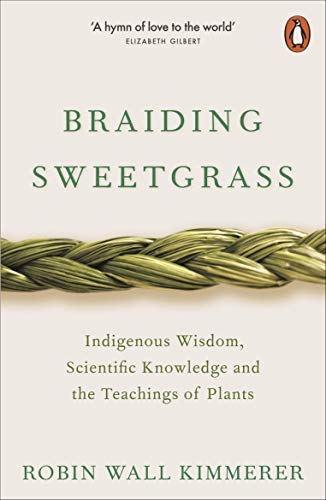
Braiding Sweetgrass: Indigenous Wisdom, Scientific Knowledge and the Teachings of Plants
Network Effect (The Murderbot Diaries, #5)
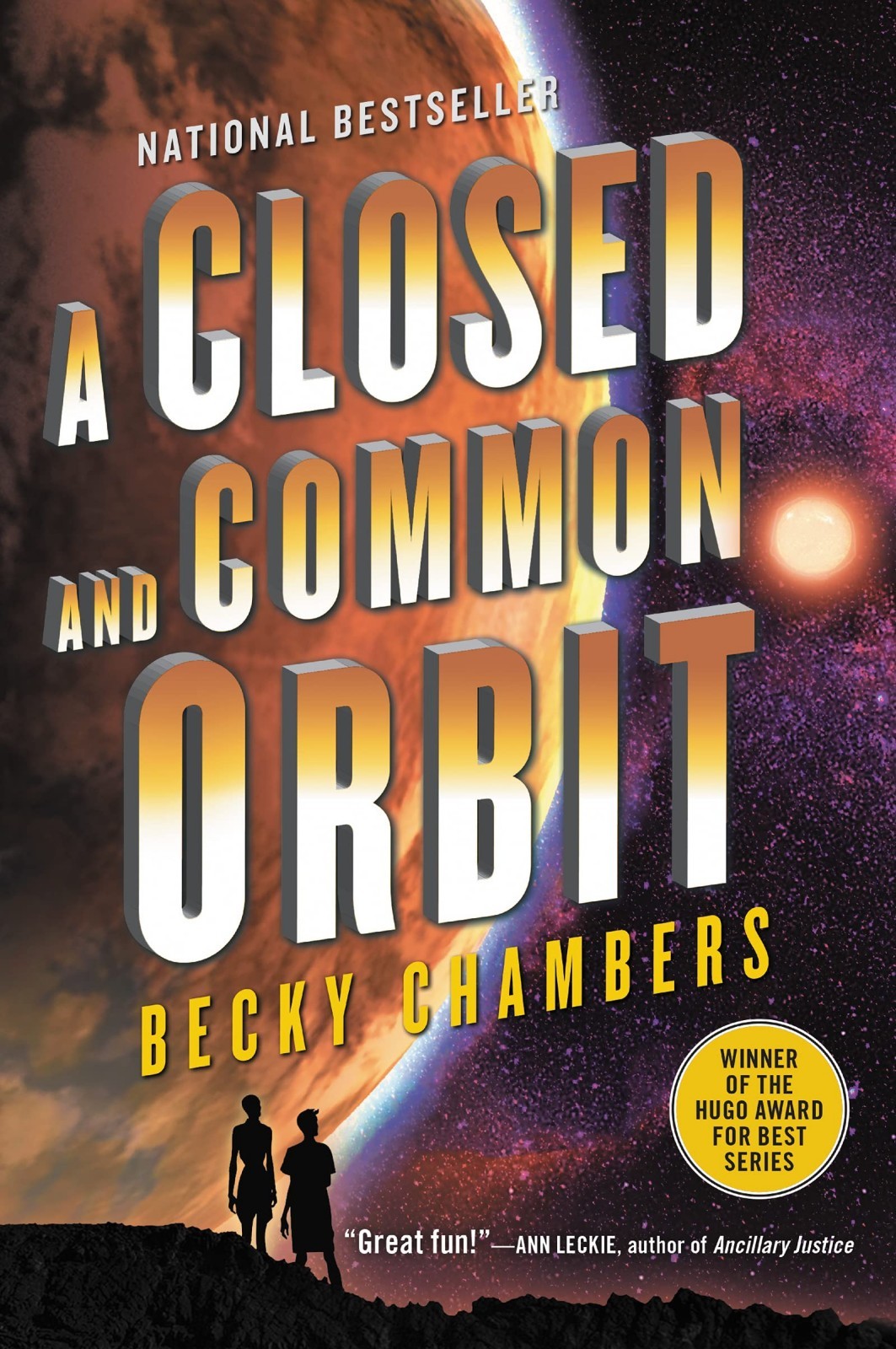
A Closed and Common Orbit (Wayfarers, #2)
Jade War (The Green Bone Saga, #2)
The Reformatory
Reading...
Slow Gods
21%

daniellereads commented on maeladapt's review of Gideon the Ninth (The Locked Tomb, #1)

2h
  • Gideon the Ninth (The Locked Tomb, #1)
    maeladapt
    Jun 24, 2026
    Gideon the Ninth (The Locked Tomb, #1)
    3.0
    Enjoyment: 3.0Quality: 2.5Characters: 2.5Plot: 3.0
    💀
    😎
    🤫

    View spoiler

    3
    comments 2
    Reply
  • daniellereads commented on a post from the Pagebound Club forum

    6h
  • HRCYED help

    So I plan on fully commited to HRCYED (hardest reading challenge you‘ll ever do) 3.0.

    One of the prompts ask for a mashup of two previous prompts and I decided to mash up Books from non us/uk/canadian countries and books by bipoc authors

    I have to read at least five to complete the prompt but honestly this is such a blind spot for me that I want to read more, and also so far I could only think of three books that meet the criteria (as far as I know)

    Pet by Akwaeke Emezi (technically I could read more of their books but I want to really expand my reading with this)

    Blessings by Chukwuebuka Ibeh

    Love in the big city by Sang Young Park

    So hit me with your recommendations.

    as you may have noticed all of those books are queer, so queer recs would be especially welcome

    10
    comments 13
    Reply
  • daniellereads commented on daniellereads's review of Sublimation

    8h
  • Sublimation
    daniellereads
    Jun 24, 2026
    Sublimation
    DNF
    Enjoyment: Quality: Characters: Plot:

    DNF @ 52%

    I was SO EXCITED to read this, and to DNF this is devastating, but I cannot force myself to continue. The premise is so cool but I strongly feel that this should have remained a short story.

    First, the concept of instancing is a great way to explore the classic nature vs. nurture argument, but this book pretty much completely ignores that, not only in the worldbuilding but in the characters themselves. I could not tell the difference between the instances and their original selves, though I do feel like a big reason for that is because the chapters are so short and the narrative is constantly rotating between four characters. The more that instancing was explained, the more questions I had. There is a brief mention of a Holocaust survivor instancing that I could not get out of my head. What is it like for refugees in this world? Instancing feels so dystopian the more I think about it, but the world Kim created feels exactly the same as ours but with instancing. How is that possible? It had to have altered the course of history somehow, right?

    The only things that really seem to have changed though are immigration laws and... folklore? The random mentions of The Odyssey and Korean folklore took me out of the story. The plot barely advances in the first half, with most of the page time feeling like it's devoted to the main characters ruminating and these excerpts from stories. It seems like many readers liked these additions (and I can acknowledge that they are creative), but they felt so choppy to me. There were a few times where the text would have a few sentences about the characters and then a few sentences about the folklore and then the characters and then the folklore and repeat. Right before I DNFed there was a folklore explanation inserted MID SENTENCE of a more tense character-focused scene (the beginnings of a cringey and unnecessary romance 🤢). Like what???

    These aspects make the book feel very literary with just a hint of speculative. The mechanism of instancing is not explained in the first half, and I don't think it would be possible from a scientific point of view anyway. The second person was great in the short story, but it really overstayed its welcome in a full novel. It didn't help that the book was full of short choppy sentences that was like nails on a chalkboard for me. See these excerpts:

    You check your phone again. No other calls. You lean against the sink. You call your instance back. He picks up. You can hear the vague sound of music behind him.

    Your laughter stops. You take a deep breath. You take the food from her. You eat from her fork.

    Seriously? Did no one edit this? The book is FULL OF "You do this. You do this. He does this." and it drove me nuts.

    The marketing compares this book to the TV show Severance, and honestly, I'd rather just rewatch that instead of reading this. That show really made me think--there's one minor character that I think about all the time, especially since giving birth, and I don't think this book has the same lasting power as that.

    5
    comments 2
    Reply
  • daniellereads wrote a review...

    9h
  • Sublimation
    daniellereads
    Jun 24, 2026
    Sublimation
    DNF
    Enjoyment: Quality: Characters: Plot:

    DNF @ 52%

    I was SO EXCITED to read this, and to DNF this is devastating, but I cannot force myself to continue. The premise is so cool but I strongly feel that this should have remained a short story.

    First, the concept of instancing is a great way to explore the classic nature vs. nurture argument, but this book pretty much completely ignores that, not only in the worldbuilding but in the characters themselves. I could not tell the difference between the instances and their original selves, though I do feel like a big reason for that is because the chapters are so short and the narrative is constantly rotating between four characters. The more that instancing was explained, the more questions I had. There is a brief mention of a Holocaust survivor instancing that I could not get out of my head. What is it like for refugees in this world? Instancing feels so dystopian the more I think about it, but the world Kim created feels exactly the same as ours but with instancing. How is that possible? It had to have altered the course of history somehow, right?

    The only things that really seem to have changed though are immigration laws and... folklore? The random mentions of The Odyssey and Korean folklore took me out of the story. The plot barely advances in the first half, with most of the page time feeling like it's devoted to the main characters ruminating and these excerpts from stories. It seems like many readers liked these additions (and I can acknowledge that they are creative), but they felt so choppy to me. There were a few times where the text would have a few sentences about the characters and then a few sentences about the folklore and then the characters and then the folklore and repeat. Right before I DNFed there was a folklore explanation inserted MID SENTENCE of a more tense character-focused scene (the beginnings of a cringey and unnecessary romance 🤢). Like what???

    These aspects make the book feel very literary with just a hint of speculative. The mechanism of instancing is not explained in the first half, and I don't think it would be possible from a scientific point of view anyway. The second person was great in the short story, but it really overstayed its welcome in a full novel. It didn't help that the book was full of short choppy sentences that was like nails on a chalkboard for me. See these excerpts:

    You check your phone again. No other calls. You lean against the sink. You call your instance back. He picks up. You can hear the vague sound of music behind him.

    Your laughter stops. You take a deep breath. You take the food from her. You eat from her fork.

    Seriously? Did no one edit this? The book is FULL OF "You do this. You do this. He does this." and it drove me nuts.

    The marketing compares this book to the TV show Severance, and honestly, I'd rather just rewatch that instead of reading this. That show really made me think--there's one minor character that I think about all the time, especially since giving birth, and I don't think this book has the same lasting power as that.

    5
    comments 2
    Reply
  • daniellereads commented on a post

    10h
  • Sublimation
    Thoughts from 46%

    It only took 46% to finally get going.

    5
    comments 2
    Reply
  • daniellereads commented on nonhoration's review of Landlocked in Foreign Skin

    10h
  • Landlocked in Foreign Skin
    nonhoration
    Jun 24, 2026
    Landlocked in Foreign Skin
    3.0
    Enjoyment: 3.0Quality: 3.5Characters: 3.0Plot: 4.0
    🌊
    🐙
    🧠

    The alien character's point of view felt interesting and unique (loved the take on selkie mythology) but the actual story did not feel well constructed. The pacing was very weird - some things took forever to happen, but the last third is just twist after twist at breakneck speed - and the romance such as it is happens way too fast.

    8
    comments 2
    Reply
  • daniellereads commented on a post from the Pagebound Club forum

    10h
  • Historical fiction where the mc is a real historical figure

    I feel like these books scratch a particular spot in my brain. I want to find more to compare how they’re portrayed in books vs their actual selves. I feel like they’re probably a list somewhere…but recs please?

    -I read the first book of the Shadow Histories duology by H.G. Parry and loved it. It’s such a wide scope, and the narrator for the audiobook has a great voice. I wished the Haitian revolution was a more central plot point, but alas. -“But One Life” by Samantha Wilsoncox was certainly interesting. The author certainly loves foreshadowing. (There’s a scene where a preacher talks about the story of Esther. Making parallels to the story of Hale to her…? Also that it was basically divine duty for him to serve his country). Relatively accurate.
    -For the Pride read along, I loved Harriet Tubman: Live in Concert. The conversations in that book were amazing. -There is currently “Hope Never Dies” by Andrew Shaffer sitting on my shelf. I guess Obama and Biden count as historical figures? Famous figures? I guess they count too.

    I also found a couple of others. Like this one author writing about Nathaniel Greene (and an upcoming one about Joseph Warren). Also Dwight D Eisenhower?

    (I dont know why it’s so US centric today…maybe some less us centric ones?)

    24
    comments 54
    Reply
  • daniellereads commented on Mahasiin's update

    Mahasiin started reading...

    1d
    The Long Way to a Small, Angry Planet (Wayfarers, #1)

    The Long Way to a Small, Angry Planet (Wayfarers, #1)

    Becky Chambers

    2
    1
    Reply

    daniellereads commented on a post from the Pagebound Club forum

    1d
  • Do Picture books count?

    I’ve been wondering if picture books are too juvenile to count them as actual reading—I’m just messing around!

    @ramiva has already made a post on it so I’m not gonna rehash what’s been said there about the whole “do x count?” post phenomena.

    I wanna talk about the posts that are in similar vein to the aformentioned. People asking what their next reads should be.

    Personally, when I’m stuck in a dilemma on what to read, I take time to narrow down what I’m currently in the mood for/what should be my priority right now. You’ve already narrowed five down, why not narrow it down to one?

    People’s tastes are so subjective, and I feel like those posts are kinda inconsequential. Read what you like. Don’t like it? Pause and pick up the next book. That’s what I’ve always done.

    I once commented on a post about AI use in book space. I mentioned self-disempowerment (I hope I’m remembering it correctly) in relation to it. It means what it says: people not trusting their own minds once they’ve handed it over to AI. Someone under that comment responded that it’s more or less the same with people coming here asking other people to pick their next reads.

    There are definitely people who rely on AI to even pick their clothes, let alone books. PB discourages AI use and algorithms. So I feel people are trying other ways to seek advice/validation in other ways. By asking people to pick their next read or asking if x counts as reading.

    I think it is a little alarming that people are unable to make such simple decisions as these, and it’s not me being cynical (I think?). I’ve seen more than two or three posts like this.

    While I’m at it, I also wanna talk about the whole mood reading thing. Aren’t we all technically mood readers? Don’t we all pick what we want to read at any given moment as readers? I understand using in academic sense, like if you’re prioritizing studies all the time you can call yourself a mood reader if you don’t enjoy those. But to a person who reads a lot, that just means being a reader lol

    Am I wrong? Do I sound very cynical and making a big deal out of a non-issue? I feel it is necessary to address small things like in a landscape where AI dominates (I’ve seen it in multiple trailers for new shows and magazine covers, people using it to draft texts and complete their school assignment. So I hope you understand my frustration).

    Very ADHD of me to start two discussions at once, but I didn’t wanna make another post immediately after. I hope the baity title doesn’t backfire.

    31
    comments 75
    Reply
  • Post from the Sublimation forum

    1d
  • Sublimation
    Thoughts from 33% (part 3)
    spoilers

    View spoiler

    1
    comments 0
    Reply
  • Post from the Sublimation forum

    1d
  • Sublimation
    Thoughts from 22% - on instancing as an aspect of world building
    spoilers

    View spoiler

    1
    comments 0
    Reply
  • daniellereads commented on amalgama's review of The Book of Form and Emptiness

    1d
  • The Book of Form and Emptiness
    amalgama
    Jan 12, 2026
    The Book of Form and Emptiness
    5.0
    Enjoyment: 5.0Quality: 5.0Characters: 5.0Plot: 5.0
    😢
    📚

    I’m reviewing this for the first time after a reread that solidified it as a favourite. The first time I read this, my focus went to the human relationships within these pages and Benny (the protagonist) and Annabelle’s (his mum’s) emotional journeys. During my second read, I could focus more on the themes of the book that I only engaged with superficially during my first read. The heart of this book is in its characters, but a lot of its messages are in the circumstances that surround them.

    It was a lucky coincidence that I happened to be reading Mutual Aid by Pyotr Kropotkin at the same time as this. This book almost feels like a fictionalised version of the main arguments of Kropotkin’s work when it comes to human nature and the inadequacy of the state as a means to satisfy human needs (but The Book of Form and Emptiness goes much farther than Mutual Aid in its critique of our idea of progress—more on this in the next paragraph). Through the characters’ hardships, we see the care institutions of the state fail again and again. To give an example, the state is supposed to step in and help Benny and his mum deal with the hardest moment of their lives: the sudden death of Kenji, who was Benny’s dad and Annabelle’s husband. They don’t have a support network, they are alone in the world, and the state’s interventions only worsen their situation at every turn.

    This book also questions our notion of progress: we equal modernity with positive development; advances in technology with quality of life improvements; the modern nation state with the peak of civilisation. Yet this novel disregards this framework and asks us: what does progress mean? Who gets to define it? Who benefits from it? What happens to people who get left behind? What are we progressing towards, and is it a worthy goal? Who do our institutions serve? And, at the end of the day, does the help we need come from our institutions, or from the people around us who care?

    I also happened to reread Ending the Pursuit of Happiness by Barry Magrid earlier this year, another one of my favourites, which deals with Japanese zen philosophy and how it has been grossly misunderstood and co-opted by self-help rhetoric. What is zen? Zen is about, among many other things, accepting life as it is in all its perfection and wholeness, yet understanding at the same time that is is also ever-changing and can be influenced (and improved) by our actions. Yet zen is not about self-improvement: rather, it directly challenges the notion of self-improvement and tells us that we (and the world we live in) are already perfect as we are. The Book of Form and Emptiness also deals extensively with Japanese zen, weaving it into its narrative through the character of Aikon and her book Tidy Magic (a clear reference to Marie Kondo), but also through the story and the predicaments its characters find themselves in.

    This book also deals with neurodivergence and the difficulties that existing as a neurodivergent person in modern society entails. It questions our notions of sanity and insanity. It’s also a critique of materialism and consumerism and the circumstances that lead us to engage in them. It also plays with form and typography in fun and interesting ways. It’s so difficult to convey in just a few words everything that this book is and how much all of the main characters’ stories mean to me and how deeply touched I am by them.

    This is a book about grief, about life, about modern Western society, about zen, friendship, love, anger, frustration, community, art, sadness… It’s one of those books that I feel were written for me specifically, and I’m sure I will be returning to it again and again in the future.

    Let me end this review with a couple of quotes:

    “Our beautiful blue planet is intricately alive. (…) Immersed in the miniscule details of daily living, we believe our lives to be separate, and our selves to be separate, too. But this is a grave delusion. The truth is that everything depends on everything else. A flower depends on the sun and the soil and the rain and the bee that pollinates it. It cannot survive apart from these things, and without them, the flower would die. Humans are the same. We need the sun and the soil and the rain and the plants we eat. We need our mother and father and all our ancestors stretching back into the past. We are a continuation of them and we would not be alive without them. And all of us—flower and bee, you and me—are tiny parts of the living body of the planet.” (pp. 492-493)

    ”Dreams are important, right? That's what I tell Benny. I tell him that his father and I had lots of dreams, and some of them never amounted to much, but the sweetest dream of all came true, and his name is Benny.” (p.544)

    21
    comments 13
    Reply
  • daniellereads commented on a post

    1d
  • Platform Decay (The Murderbot Diaries, #8)
    Thoughts from 39%
    spoilers

    View spoiler

    15
    comments 9
    Reply
  • daniellereads commented on a post

    2d
  • The Words of Kings and Prophets (Gael Song, #2)
    Mysereh
    Edited
    Thoughts from 32% (page 152) or how Fódla screwed me over
    spoilers

    View spoiler

    3
    comments 1
    Reply
  • daniellereads commented on a post from the Pagebound Club forum

    2d
  • turn your current read into a clickbait youtube video title

    i’ll go first: “My NEW HOUSE in JAPAN is HAUNTED by a SAMURAI?!?! (SCARY) (DONT WATCH AT 3AM)”

    157
    comments 134
    Reply
  • daniellereads commented on daniellereads's review of Japanese Gothic

    2d
  • Japanese Gothic
    daniellereads
    Jun 22, 2026
    Japanese Gothic
    3.5
    Enjoyment: 3.0Quality: 3.5Characters: 3.0Plot: 3.0Audiobook: 4.0
    ⚔️
    🏡
    🐢

    I am so torn by this book! After reading and loving Bat Eater last year, I was so HYPED to read this. I didn't even read the synopsis and just added it to my TBR the second I finished Bat Eater and assumed it'd be another hit. And I guess you could say that I overall enjoyed it, but I had to not think too hard about some of the details of the story, and get past / ignore the constant repetition. Now that I think about it, I can see some of the same issues I had with this in Bat Eater, but the story there was overall so much more unique and compelling than this that I can see why I didn't notice in that book.

    First, Lee is an extremely annoying character and I got so tired of being in his head. He felt like the male version of "not like other girls." His narration kept going on and on about how weird he was and how no one liked him and how alone he was, and I just got tired of hearing about his self-pity. Sen was a much more interesting character to me, but the abuse she experienced was so awful and narrated in SUCH graphic detail that it got to the point where I was considering DNFing because I wasn't sure how much more I could handle. I've never DNFed a book due to triggers, but I guess parenthood really does change you because it's so much harder for me to hear about child abuse now as a new mom. Thankfully the amount decreased right at the point where it started to feel like too much, though in retrospect I still think it was too much.

    The spooky non-abuse side of the horror was written so well, and I was so enthralled in the beginning, dying to know what would happen. However, this book is fairly slow-paced as it really focuses on the interiority of the characters and you don't learn what is actually going on until the very end. It doesn't help that Lee Baker really hammers home the theming to make sure you 100% get it. It felt like she was yelling at me, "DO YOU SEE THE PARALLELS BETWEEN LEE AND SEN? SEE THIS? THEY BOTH EXPERIENCED THIS! DID YOU GET IT???" I love a good set of character foils in literature but this was so heavy-handed that it became exhausting and made the story really drag. It was even worse when the book literally repeated word-for-word multiple scenes just to show you "this is what really happened" when we didn't need all that description and exposition fed to us over and over again. Though I'm sure it also didn't help that I've heard the story of Urashima Tarō so many times that I also didn't need that told to me again.

    I also was distracted by some of the logistics and historical details in this story that didn't seem to add up. Lee Baker said in the Author's Note that she wanted to show what it was really like to be a samurai, and it seems like she put all her focus into that aspect of the "world building". Somehow Sen comes across as an extremely Westernized samurai, which gives her character such a discordant vibe that makes it hard to really understand or believe any of her choices.

    The last section before the climax was really choppy with its short chapters, but the ending for our two main characters was absolutely perfect. I would have given this a lower rating if it weren't for that ending, which just felt so poetic and so fitting for the story Lee Baker wanted to tell. (My forum post describes how I felt with spoilers!) The way the story connected to Urashima Tarō was so satisfying, even if I thought the turtle symbolism was a little too much lol and if I don't think too hard about some of the plot holes. It did feel like Lee Baker withheld a lot of information throughout the story just to have that shock ending with a huge info dump, and while I like the direction she took the plot, it definitely could have been more smoothly woven throughout the story.

    Overall, I have mixed feelings that despite my long and mostly negative review, are slightly leaning toward positive? I don't think this is a book I would wholeheartedly recommend, but I still look forward to reading whatever Lee Baker writes next in the adult horror space.

    Note on the audio: There's something about Natalie Naudus' narration that is starting to annoy me but I can't really put my finger on what it is. I think she felt a little too dramatic for this story in a way that made Lee's constant doom and gloom thoughts feel even more annoying? Lol. But she is an objectively good narrator imo so ymmv!

    13
    comments 8
    Reply
  • daniellereads commented on shanethe_readingrat's update

    shanethe_readingrat made progress on...

    2d
    The Second Death of Locke

    The Second Death of Locke

    V.L. Bovalino

    88%
    24
    12
    Reply