
sofiebug
sofie • she/her true austenmaniac & will yap about it 24/7 lover of all things architectural, gothic, or character-driven! trying to read more!!!!!
6436 points




3.88 average · 50 reviews
Click a segment to filter

the story of a woman reflecting on her life, and what everything, the hardships, the tragedies, the happiness, has meant to her and how it has made her who she is. it is a frank exploration of black southern life at the time. there is community, prosperity, joy, ambition, support, judgement, colorism, classism, misogyny, the weight of slavery's past, and everything in between.
beautiful beautiful writing. the story is written in two voices with beautiful free indirect discourse - that of the "literate" narration (as described in the afterword) and that of the eye-dialect dialogue. these voices intertwine, blurring the lines between janie's and an omniscient narrator's perspectives, and reflecting the multi-faceted experience of the black woman author. the eye-dialect gives a sense of authenticity and really draws you into the setting, working with the powerful imagery to make it come alive.
nature is a very important aspect in janie's perspective, it is often personified and the subject of many lovely metaphors. nature is awe-striking, and throughout the book her relationship to it evolves from an appreciation of and wonder at nature's beauty, to the terror of nature's cruelty, wrath, and power.
throughout the story, janie often exists at the whims of men. she has complicated relationships with the men that come and go from her life. some force her to become a particular image they have of what a wife and woman should be. another allows her to display more of her real self, but still struggles with jealousy, irresponsibility, and control. the patriarchy always finds a way in.
ever since she was young, janie has longed for something more, to truly live. when she felt stuck and unhappy, she would look out to the horizon and send out her soul far from her body into nature. but even within the hardships, she has found love, laughter, joy, freedom, herself, and peace. that peace "pulled in her horizon like a great fish-net. Pulled it from around the waist of the world and draped it over her shoulder. So much of life in it's meshes! She called in her soul to come and see."
an absolute work of art.

Piranesi
Susanna Clarke
i’m loving this world-building and architecture so far even though it can be hard to follow! I am a fan of the works of Giovanni Battista Piranesi so that is a jumping off point for my imagination to run away with the visuals and it’s so fun!! maybe I should refresh myself a little on what I learned about Piranesi in my history of architecture classes and see if it adds to the experience
here are some images that i think could be relevant if anyone is curious! ***I was able to add them to the post!
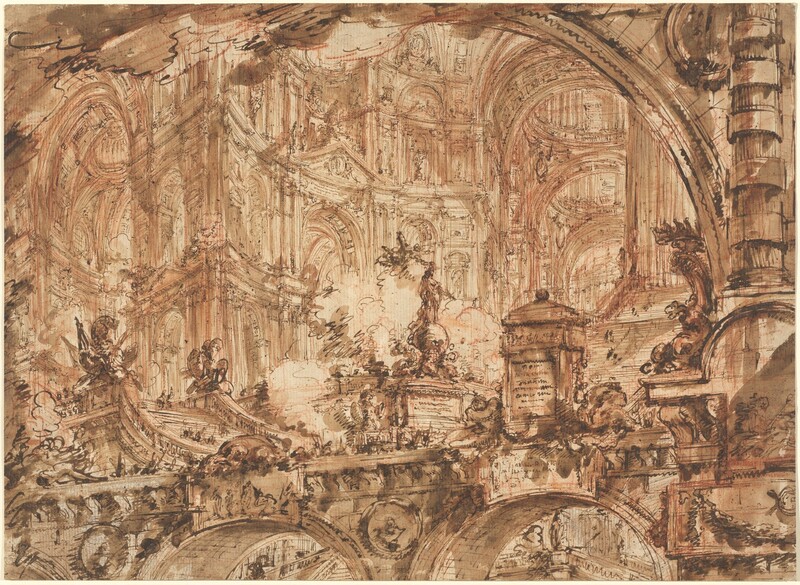
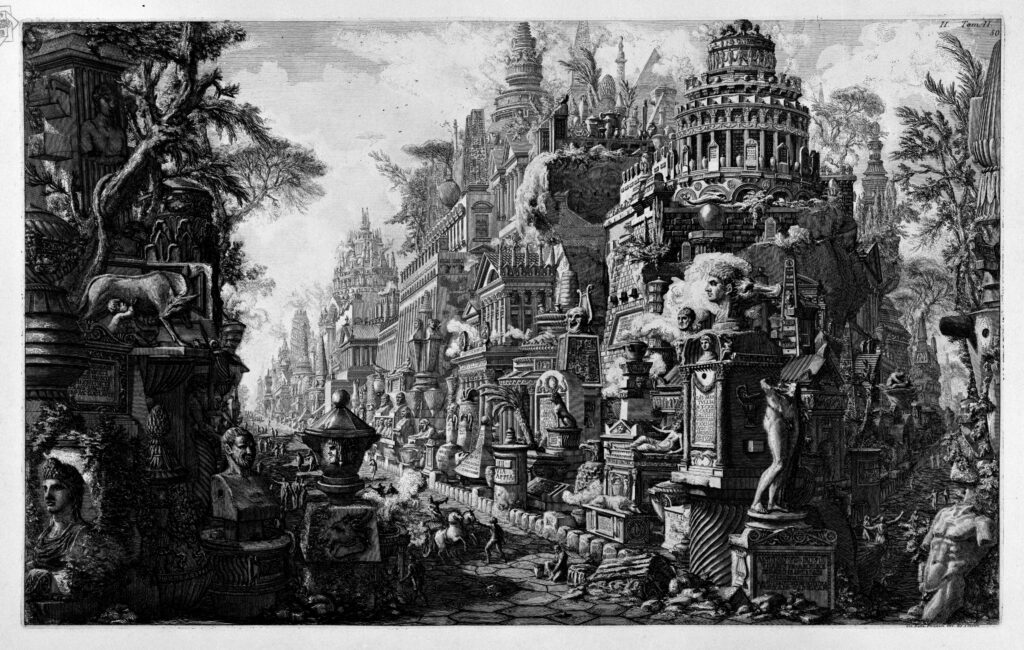
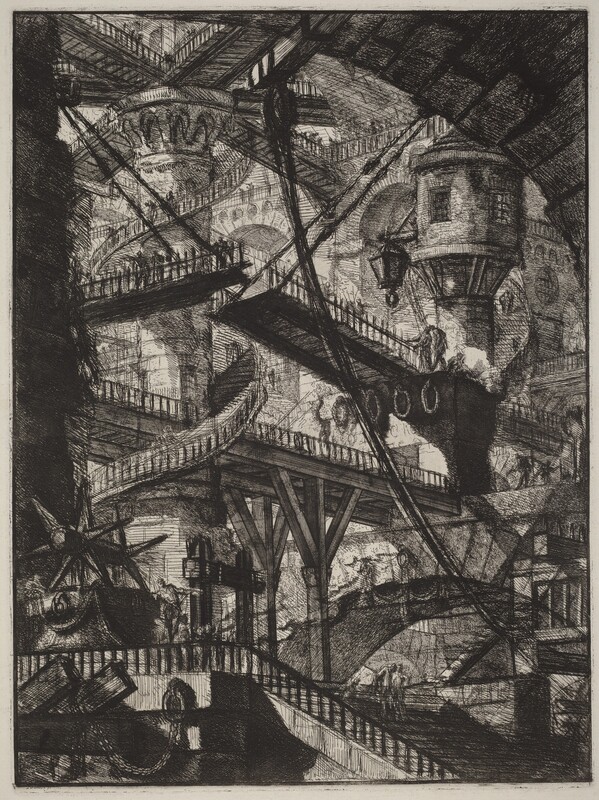
https://www.nga.gov/artworks/80710-magnificent-palatial-interior https://www.nga.gov/artworks/57420-le-antichita-romane-volume-ii https://www.nga.gov/artworks/9788-drawbridge
***edit: after doing some quick cursory research to confirm what I had inklings of, im getting really excited about this book! Piranesi did a series of etchings called “Imaginary Prisons” from 1745 to 1750 (one is the third image I included here). they are part of a genre called “capriccio” which are works of architectural fantasies. the prison series depicts these giant underground labyrinthine prisons, dark, never ending, and uncanny amalgamations of different architectural motifs and ruins. the series had a lot of influence on surrealism. even though i’m not very far into the book, I can see how much influence his work had on the creation of this world, especially in terms of giant scale, labyrinth, infinity, artifact, and ruin. but it also makes me think…… is this house a prison??? i’m so excited to see where this goes!!!

© 2025 Pagebound