Silkpunk
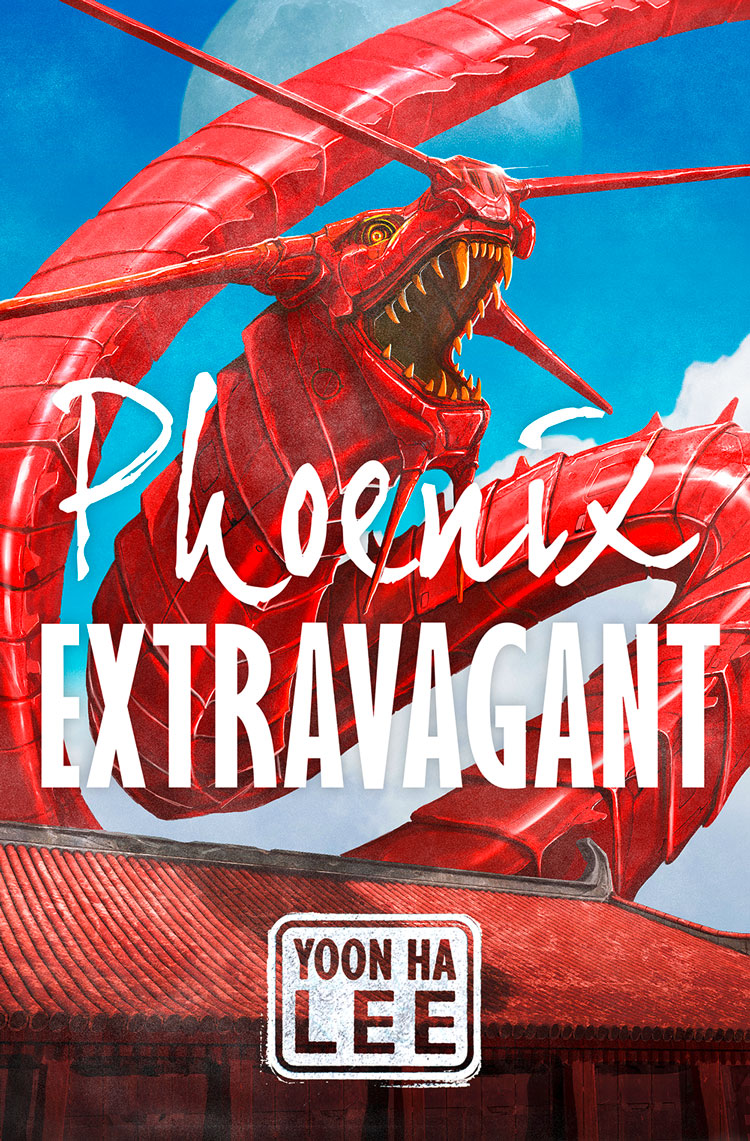
Subgenre coined by Ken Liu. A mix of Asian Fantasy and distinctly Asian executions of science fiction technology. A genre bending aesthetic where the line between nature and machinery disappears in that technology, both in form and operation.
created by heathersdesk
last updated May, 2026











Comments


This is such a fun idea for a list! I did want to get some clarity on what this is meant to be by using the term "silkpunk"; Ken Liu on his website specifically says that silkpunk is not merely "Asian-flavored steampunk" nor is it "Asian-influenced fantasy", and he then goes out of his way to detail the speculative concepts silkpunk uses with regard to technology: The vocabulary of the technology language relies on materials of historical importance to the people of East Asia and the Pacific islands: bamboo, shells, coral, paper, silk, feathers, sinew, etc. The grammar of the language puts more emphasis on biomimetics–the airships regulate their lift by analogy with the swim bladders of fish, and the submarines move like whales through the water. The engineers are celebrated as great artists who transform the existing language and evolve it toward ever more beautiful forms.
There is also a literary element, in that silkpunk is defined by the technique and craft of writing itself: Similarly, the literary approach itself mixes and matches elements from diverse global literary traditions that I feel at home in, and tropes and techniques from East Asian historical romances are deliberately juxtaposed and combined with elements from Western epic narratives.
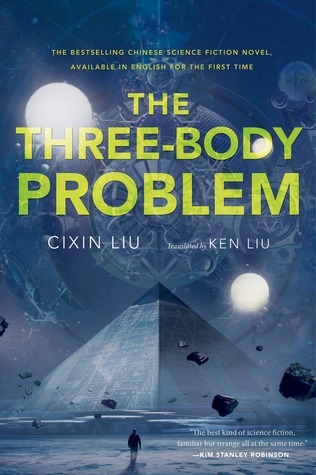
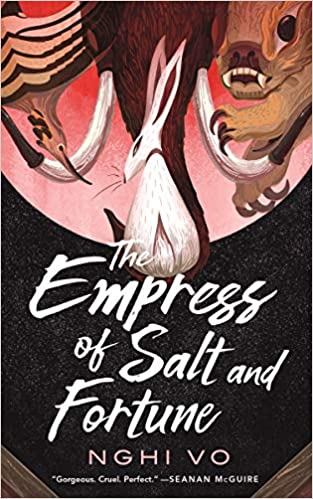
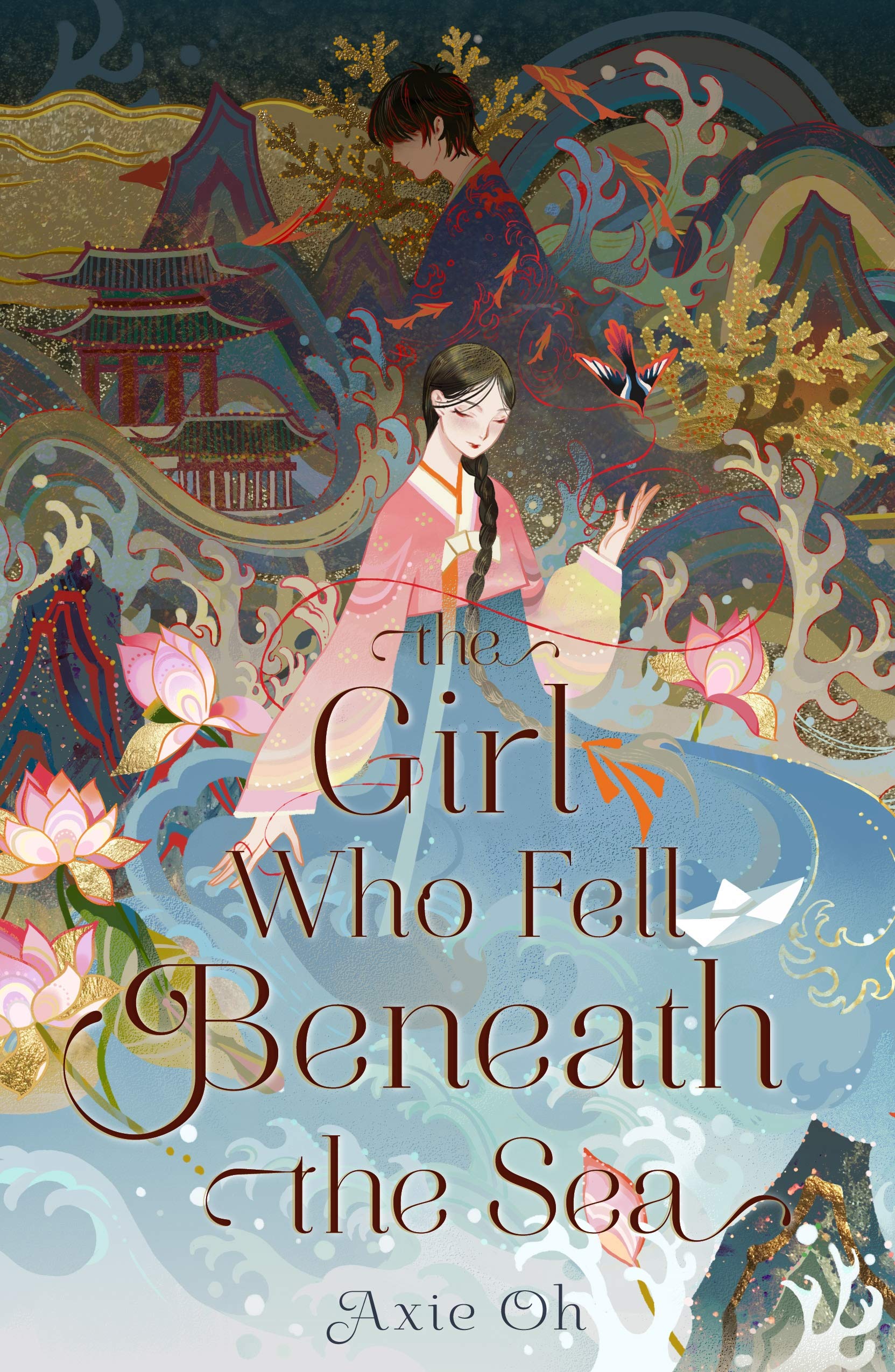
Based on the language Ken Liu uses to define silkpunk, I'm not sure that titles like The Poppy War or The Girl Who Fell Beneath the Sea would qualify (I haven't read/am not familiar with other titles but it didn't seem like Three-Body Problem or She Who Became The Sun would qualify either). It does feel a little strange to see all manner of Asian-inspired speculative fiction grouped under the silkpunk label, after Ken Liu goes out of the way to specify that it is not just Asian-influenced SFF. I'm wondering what you think about this as the list's creator?

Glad you provided the definition! I read The Three-Body Problem recently and would agree it wouldn’t really align with that definition — it’s pretty standard hard sci-fi/first contact set during and right after the Cultural Revolution in China with all of the technology based in modern physics and astronomy, so not much to do with classical East Asian materials or aesthetics.

based on what i remember of swbts, i think it would qualify for the literary element of silkpunk, but maybe not the technological part!
oooh that makes me super excited to read it then!!!
i remember that being the only chinese-inspired "fantasy" that i actually liked precisely bc of all the familiar tropes lmao. i'm not too sure about the western epic narratives bit, but i feel like there were at least some used!
Definitely seems like it, since it sits firmly in “epic fantasy” whenever I see it categorized anywhere!
honestly i'd call it more historical fiction with fantastical elements lmao. but wuxia is notoriously difficult to categorise by western fiction genres so wtv
Real asf 😩🫨

Oh these are good points. This is a cool list but I am interested in the more specific elements that Ken Liu outlined.
Thank you this is so interesting and important! I was also going to comment that I dont think The Girl Who Fell Beneath the Sea fits here. But this concept is still v interesting and important looking forward to learning more!
PS I think it’s also always important to distinguish the region/s of Asia one is referring to 💗 eg East Asia and Pacific Islands (or in other cases South Asia, Central Asia, etc) as the continent is so vast and diverse! /nh /nm

I’d never heard the term before. Today I read it twice. 😄